Venecia Natinga
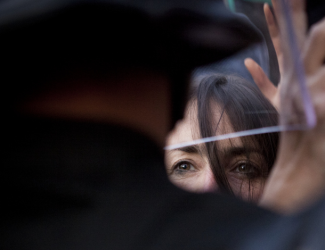
WHRDs are self-identified women and lesbian, bisexual, transgender, queer and intersex (LBTQI) people and others who defend rights and are subject to gender-specific risks and threats due to their human rights work and/or as a direct consequence of their gender identity or sexual orientation.
WHRDs are subject to systematic violence and discrimination due to their identities and unyielding struggles for rights, equality and justice.
The WHRD Program collaborates with international and regional partners as well as the AWID membership to raise awareness about these risks and threats, advocate for feminist and holistic measures of protection and safety, and actively promote a culture of self-care and collective well being in our movements.
WHRDs are exposed to the same types of risks that all other defenders who defend human rights, communities, and the environment face. However, they are also exposed to gender-based violence and gender-specific risks because they challenge existing gender norms within their communities and societies.
We work collaboratively with international and regional networks and our membership
We aim to contribute to a safer world for WHRDs, their families and communities. We believe that action for rights and justice should not put WHRDs at risk; it should be appreciated and celebrated.
Promoting collaboration and coordination among human rights and women’s rights organizations at the international level to strengthen responses concerning safety and wellbeing of WHRDs.
Supporting regional networks of WHRDs and their organizations, such as the Mesoamerican Initiative for WHRDs and the WHRD Middle East and North Africa Coalition, in promoting and strengthening collective action for protection - emphasizing the establishment of solidarity and protection networks, the promotion of self-care, and advocacy and mobilization for the safety of WHRDs;
Increasing the visibility and recognition of WHRDs and their struggles, as well as the risks that they encounter by documenting the attacks that they face, and researching, producing, and disseminating information on their struggles, strategies, and challenges:
Mobilizing urgent responses of international solidarity for WHRDs at risk through our international and regional networks, and our active membership.
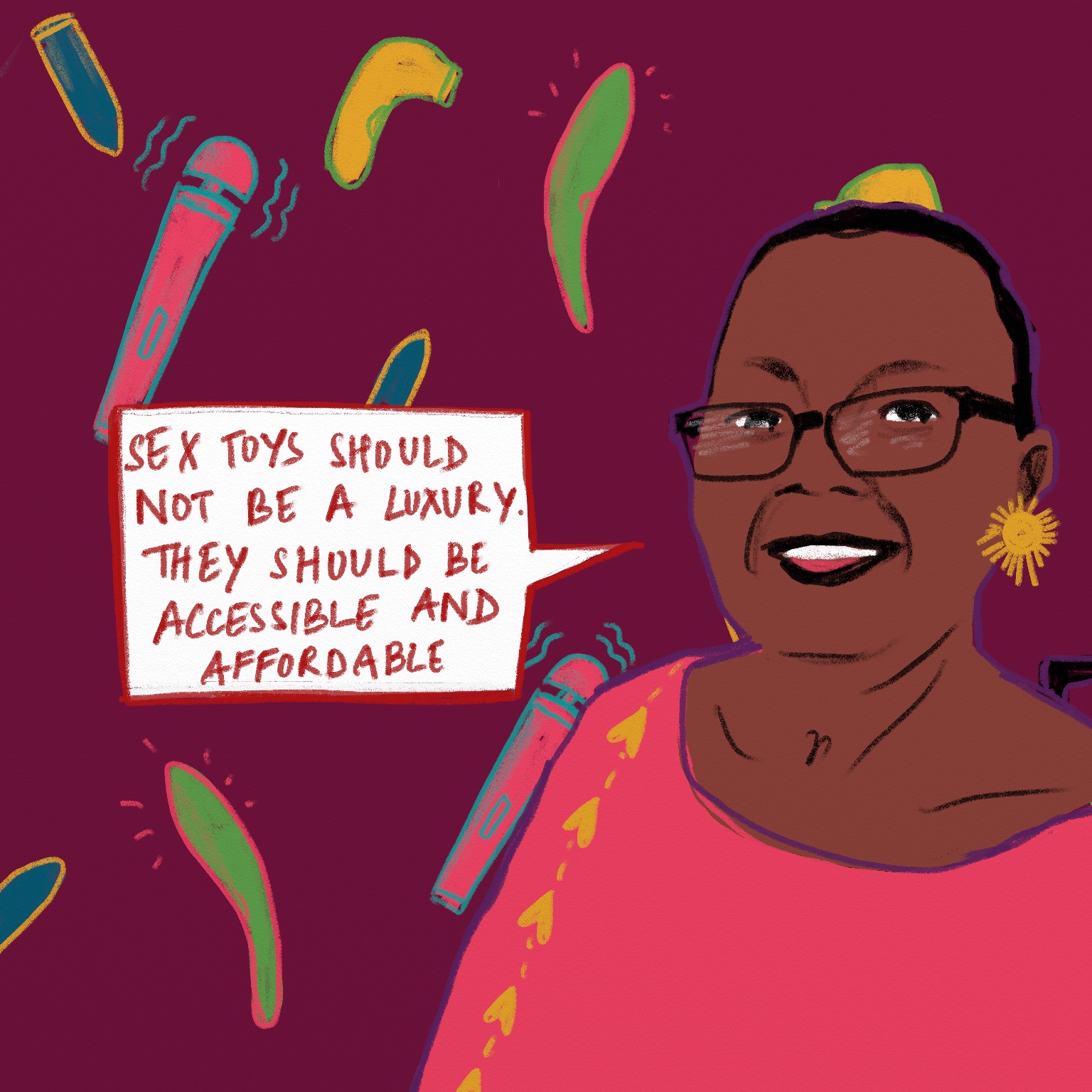
Estas obras son un trabajo colaborativo de fotografías e ilustraciones realizadas por Siphumeze y Katia durante el confinamiento. Muestran narrativas negras queer de sexo y placer, bondage, sexo seguro, juguetes, salud mental y sexo, y mucho más. Fueron creadas para acompañar la antología Touch.
Juhi est passionnée de technologie, titulaire d'une licence en génie informatique de l'Université Technologique du Gujarat et d'une formation de troisième cycle en télécommunications sans fil et en gestion de projet du Humber College. Passionnée par la résolution de problèmes et aimant garder une longueur d'avance dans un paysage technologique en constante évolution, Juhi s'est retrouvée à naviguer dans divers secteurs en tant que technicienne informatique. Grâce à l'environnement stimulant de la School Board, Juhi a eu l'occasion d'appliquer ses compétences techniques dans divers contextes, relevant toujours de nouveaux défis avec enthousiasme. Au-delà du code et des circuits, Juhi aime les aventures de la vie. Explorer de nouveaux lieux et cultures constitue pour elle une bouffée d’air frais. Qu'il s'agisse de découvrir des trésors cachés de la ville, d'essayer des cuisines exotiques ou de se lancer dans des sports d'aventure palpitants, Juhi est toujours partante pour de nouvelles expériences.
Nicole Barakat est une artiste queer femme de la région d’Asie du Sud-Ouest et d’Afrique du Nord, née et vivant à Gadigal (dite Sydney, en Australie). Elle emploie des processus intuitifs et d’écoute profonde visant à transformer les conditions de la vie quotidienne. Son travail fait appel à des approches non conventionnelles de la création artistique, créant des œuvres complexes qui incarnent l'amour et la patience et caractérisent les pratiques textiles traditionnelles.
Jessica is a queer artist- activist from Toronto, Canada, but is currently based in Bulgaria. Jessica has over 15 years experience in the HIV response working at the intersections of gender and HIV with key populations (sex workers, women who use drugs, LGBTQI communities, incarcerated people and of course people living with HIV). Jessica loves movement building and thinking/taking/strategizing about arts-based interventions. One fun project she started in 2013 was LOVE POSITIVE WOMEN that engages over 125 community groups and organizations globally every February 1-14th to celebrate women living with HIV in their communities.
Please take a look at the existing propositions for inspiration before submitting your own idea. Someone might already be thinking along the same lines! Send your proposition to contribute@awid.org.
We will review and include new propositions on this webpage as they come.
Ȃurea Mouzinho es una activista feminista por la justicia económica de Luanda, Angola, que tiene una carrera de diez años en investigación, otorgamiento de subvenciones, incidencia y construcción de movimientos por los derechos de las mujeres y la justicia económica en toda África y en el Sur global. Actualmente es Directora de Programa para África en Thousand Currents, y es parte del consejo editorial de Feminist Africa. También integra Ondjango Feminista, una colectiva feminista que cofundó en 2016. Recientemente ha sido madre de un niño de Géminis, y disfruta los días tranquilos con su joven familia y los largos paseos por la playa. Ocasionalmente publica tweets con el nombre de usuarie @kitondowe.
A nomad of cultures, born in Hong Kong, rooted in Turkish-Pakistani heritage, Fatima’s love for narratives - both in reading and co-creating them - fueled her passion for communications activism. Supported by her education in journalism, Fatima has worked for 7 years in digital and media communications fields with NGOs that provide education opportunities and legal aid to refugee and asylum seekers, as well as with the Muslim feminist movement which applies feminist and rights-based lenses in understanding and searching for equality and justice within Muslim legal tradition. She is a regular op-ed writer on feminist issues in the Global South.
Through storytelling in this hyper-digital age of social media, Fatima continues to collaborate with community organizers and grassroots activists to create audiovisual content with the aim to cultivate bridges of understanding towards collective liberation and decolonization. On days when she’s not working, she intently watches independent feminist films coming from Iran, Morocco and Pakistan and on other days, she performs spoken word poetry with her comrades in Kuala Lumpur.
Kay Thi Win, Asia Pacific Network of Sex Workers (APNSW)
Thin Pa Pa Htun, Aye Myanmar Association
Xiao Shuang, Northeast Transgender Support Network
Cathy Ketepa, Friends Frangipani Inc. PNG
Rajeshwari Prajapati, Society for Women Awareness Nepal (SWAN)
Nana es una organizadora feminista e investigadora en derechos reproductivos y políticas demográficas que reside en Egipto. Es miembro de RESURJ (organización feminista por la justicia sexual y reproductiva), del Órgano Asesor del Proyecto A del Líbano y de la Comisión de la Comunidad de Mama Cash. Nana tiene una maestría en Salud Pública del Instituto KIT y la Universidad Vrije de Ámsterdam. En su trabajo, da seguimiento y contextualiza las políticas demográficas nacionales, al tiempo que reúne información para abordar la eugenesia moderna, las ayudas internacionales de carácter regresivo y el autoritarismo. Anteriormente, formó parte de la Fundación de Ginebra para la Educación y la Investigación Médica, la Iniciativa Egipcia para los Derechos Personales y el Colectivo Feminista Ikhtyar de El Cairo.

لغات العمل في جمعية حقوق المرأة في التنمية هي الإنجليزية والفرنسية والإسبانية. ستتم إضافة اللغة التايلاندية كلغة محلية، بالإضافة إلى لغة الإشارة وإجراءات الاتصال الأخرى. يمكن إضافة لغات أخرى إذا سمح التمويل بذلك، لذا تحقق/ي مرة أخرى بانتظام للحصول على التحديثات. نحن نهتم بالعدالة اللغوية وسنحاول تضمين أكبر عدد ممكن من اللغات بقدر ما تسمح به مواردنا. نأمل في خلق فرص متعددة للكثيرين/ات منا للتواجد بلغاتنا والتواصل مع بعضنا البعض.
AWID surgió en 1982 y se ha ido transformando con el paso de los años en una verdadera organización mundial.
Leer «From “WID” to “GAD” to Women’s Rights: The First Twenty Years of AWID» (en inglés)