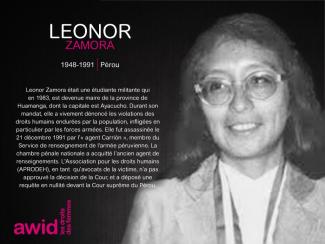
Leonor Zamora
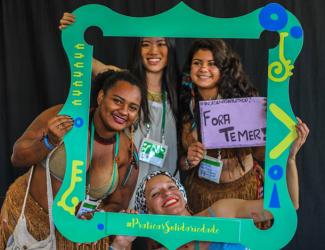
Young feminist activists play a critical role in women’s rights organizations and movements worldwide by bringing up new issues that feminists face today. Their strength, creativity and adaptability are vital to the sustainability of feminist organizing.
At the same time, they face specific impediments to their activism such as limited access to funding and support, lack of capacity-building opportunities, and a significant increase of attacks on young women human rights defenders. This creates a lack of visibility that makes more difficult their inclusion and effective participation within women’s rights movements.
AWID’s young feminist activism program was created to make sure the voices of young women are heard and reflected in feminist discourse. We want to ensure that young feminists have better access to funding, capacity-building opportunities and international processes. In addition to supporting young feminists directly, we are also working with women’s rights activists of all ages on practical models and strategies for effective multigenerational organizing.
We want young feminist activists to play a role in decision-making affecting their rights by:
Fostering community and sharing information through the Young Feminist Wire. Recognizing the importance of online media for the work of young feminists, our team launched the Young Feminist Wire in May 2010 to share information, build capacity through online webinars and e-discussions, and encourage community building.
Researching and building knowledge on young feminist activism, to increase the visibility and impact of young feminist activism within and across women’s rights movements and other key actors such as donors.
Promoting more effective multigenerational organizing, exploring better ways to work together.
Supporting young feminists to engage in global development processes such as those within the United Nations
Collaboration across all of AWID’s priority areas, including the Forum, to ensure young feminists’ key contributions, perspectives, needs and activism are reflected in debates, policies and programs affecting them.
Sim! Reconhecemos e valorizamos diferentes motivos pelos quais as feministas nos seus respetivos contextos não dispõem de financiamento externo: desde não serem elegíveis para se candidatar a subsídios e/ou receber dinheiro do exterior, até dependerem de recursos gerados autonomamente como uma estratégia política por si só. Queremos saber mais sobre vocês, independentemente da vossa experiência com financiamento externo.
En octubre de 2007 se creó el Women’s Working Group on Financing for Development [Grupo de Trabajo de Mujeres sobre Financiación para el Desarrollo, WWG on FfD en inglés], una alianza entre organizaciones y redes por los derechos de las mujeres cuyo objetivo es defender y promover avances en cuanto a igualdad de género, empoderamiento de las mujeres y derechos humanos en los procesos de la ONU relacionados con la FpD.
Tercer Diálogo de Alto Nivel sobre la Financiación para el Desarrollo, 23 al 25 de octubre de 2007

Trouvez et créez des connexions. L’AWID compte plus de 9 000 membres, qui s’efforcent tou·te·s de résoudre des questions complémentaires et interconnectées. Cette diversité favorise la pérennité des mouvements et acteures féministes.
Bessy était aussi membre d’Arcoíris, une organisation qui soutient la communauté LGBTI+. Elle était en outre la personne référente de la plateforme Derechos aquí y Ahora (les droits ici et maintenant) au Honduras et plaidait fermement en faveur d’une pleine citoyenneté pour les personnes trans, ainsi que pour l’adoption d’une loi sur l’identité de genre qui permettrait aux personnes trans de changer légalement d’identité de genre.
« Depuis le début de l’année [2019], la communauté trans a été victime d’une série d’attaques, parce qu’elle a défendu et demandé des droits. » Rihanna Ferrera (sœur de Bessy)
Bessy était une travailleuse du sexe qui a été tuée par balle par deux hommes, au début du mois de juillet 2019, alors qu’elle travaillait dans les rues Comayagüela. Ses assaillants ont par la suite été arrêtés.
Bessy fait partie des nombreux·ses activistes des droits LGBTI+ du Honduras, assassiné·e·s en raison de leur identité et de leur travail, parmi qui se trouvent : Cynthia Nicole, Angy Ferreira, Estefania "Nia" Zuniga, Gloria Carolina Hernandez Vasquez, Paola Barraza, Violeta Rivas et Sherly Montoya.
Le cas de Bessy incarne l’injustice, de même qu’un problème plus large de violence systémique à laquelle se confronte la communauté LGBTI+ au Honduras, puisque l’État ne parvient pas à garantir l’offre de droits ni à fournir une protection. Cela est à l’origine d’une culture de l’impunité.
Malgré les risques auxquels sont confronté.e.s les activistes LGBTI+ au Honduras, tous et toutes continuent leur travail pour défier et résister à la violence, ainsi que pour combattre la stigmatisation et la discrimination au quotidien.
« Si je meurs, il faut que ce soit pour quelque chose de bien, pas pour une futilité. Je ne veux pas mourir en fuyant, en étant lâche. Si je meurs, je veux que les gens disent que je suis mort·e en me battant pour ce qui m’appartient » - membre d’Arcoíris
Building on initial desk research and consultations with allies that led us to rule out many other options in the region, we organized a thorough round of site visits to Nepal, Malaysia, Sri Lanka, Thailand, Indonesia and (later) Taiwan.
Each site visit included not just scoping the logistical infrastructure but meeting with local feminist groups and activists to better understand the context, and their sense of potential opportunities and risks of an AWID forum in their context.
They often expressed conflicted feelings about the opportunities and risk that the visibility of an event like the Forum could bring to them. In one, during the first 30 minutes of our meeting we heard unanimously from the activists gathered that an AWID Forum would be subject to huge backlash, that LGBTQ rights were a particular political hot-button and that fundamentalist groups would turn out in full force to interrupt the event. When our response was “ok, then you don’t feel it’s a good idea”, again the unanimous response was “of course it is, we want to change the narrative!”.
It was difficult to hear and see in some of these places how many feminist activists wanted to leverage the opportunity of a visible big event and were prepared to face the local risks; but our considerations as hosts of close to 2,000 people from around the world impose a different calculation of risk and feasibility.
We also grappled with questions of what it means to organize a feminist forum that is aligned to principles around inclusion, reciprocity and self-determination, when state policy and practice is usually directly counter to that (although officials in the ministries of Tourism work very hard to smooth that over).
In many of these places, monitoring the context felt like an exercise on a pendulum that could swing from open and safe for feminist debates in one moment to stark repression and xenophobia the next, sacrificing feminist priorities as political bargaining chips to pacify right wing, anti-rights forces.
Our challenges in Asia Pacific led us to consider: would it be easier if we moved the Forum to a different region? Yet today, we would not be able to organize an AWID Forum in Istanbul as we did in 2012; nor would we be able to do one in Brazil as we did in 2016.
With all of this complexity, AWID selected Taipei as the Forum location because:
In organizing the AWID Forum, we are trying to build and hold space as best we can for the diverse expressions of solidarity, outrage, hope and inspiration that are at the core of feminist movements.
At this moment, we see Taipei as the location in the Asia Pacific region that will best allow us to build that safe and rebelious space for our global feminist community.
The fact is, there is no ideal location in today’s world for a Forum that centers Feminist Realities. Wherever we go, we must build that space together!
حالياً سيتواجد الاستطلاع على منصة KOBO باللغات العربية، الإنجليزية، الفرنسية، البرتغالية، الروسية والاسبانية. ستكون لديكم/ن الفرصة لاختيار اللغة التي تريدون تعبئة الاستطلاع بها في بداية الاستطلاع.
Sindicato OTRAS
We believe that for feminist movements to be transformative and strong we must continue to work across our similarities and differences. We also must interrogate power and privilege both within and outside our movements.
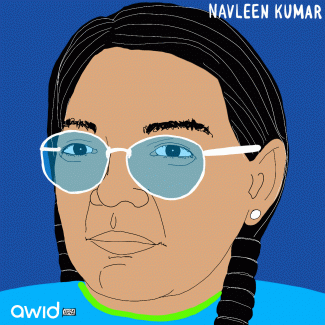
"She was not a person. She was a power."
- a fellow activist remembering Navleen Kumar
With commitment and integrity, she worked for more than a decade to protect and restore the lands of Indigenous people (adivasi) in Thane district, an area taken away by property and land developers using such means as coercion and intimidation. She fought this injustice and crime through legal interventions at different courts, realizing that manipulation of land records was a recurrent feature in most cases of land acquisition. In one of the cases, that of the Wartha (a tribal family), Navleen found out that the family had been cheated with the complicity of government officials.
Through her work, she helped restore the land back to the Wartha family and continued to pursue other cases of adivasi land transfers.
“Her paper on the impact of land alienation on adivasi women and children traces the history and complexities of tribal alienation from the 1970s, when middle class families began to move to the extended suburbs of Mumbai as the real estate value in the city spiralled.
Housing complexes mushroomed in these suburbs, and the illiterate tribals paid the price for this. Prime land near the railway lines fetched a high price and builders swooped down on this belt like vultures, to grab land from tribals and other local residents by illegal means.”
-Jaya Menon, Justice and Peace Commission
During the course of her activism, Navleen received numerous threats and survived several attempts on her life. Despite these, she continued working on what was not only important to her but contributed to changing the lives and realities of many she supported in the struggle for social justice.
Navleen was stabbed to death on 19 June 2002 in her apartment building. Two local gangsters were arrested for her murder.
Ассоциация «Права женщин в развитии» и Фонд «Красный зонт» приглашают Вас принять участие в диспуте-семинаре на тему феминизма и секс-работы.

10 ноября 2020г. в 14:00 по UTC (сверьтесь с вашим местным временем)
В рамках данной сессии, сотрудницы (-ки) Ассоциации «Права женщин в развитии» будут делиться своими знаниями и опытом работы в условиях виртуального общения. Мы поговорим об основных сложностях и интерсекциональности в работе секс-работниц (-ков) и феминисток (-ов).
Подумайте над своими вопросами!
Для участниц (-ков) будет предоставлен перевод на испанский, французский и русский языки.
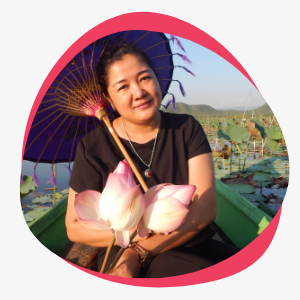
Кей Тхи является секс-работницей и с 2007 года лоббирует вопросы здоровья и прав секс-работниц (-ков). За последние девять лет она участвовала в программе по предупреждению ВИЧ среди женщин, работающих в секс-индустрии, и мужчин, имеющих половые связи с мужчинами, в Мьянме. В настоящее время Кей Тхи является региональной координаторкой Азиатско-Тихоокеанской сети секс-работниц (-ков) (АТССР) и работает с партнерами по всему Азиатско-Тихоокеанскому региону.
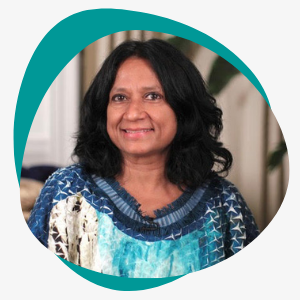
Гитанджали является соосновательницей и исполнительной директоркой организации CREA (Нью-Дели). Она феминистка и любительница кино, работала по вопросам сексуальности, репродуктивного здоровья, гендера, прав человека и насилия в отношении женщин на различных уровнях - в качестве активистки, грантодательницы и на директивном уровне.
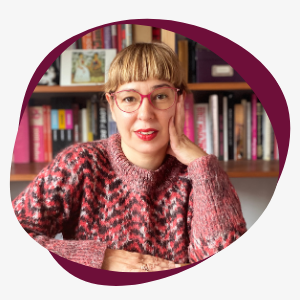
Вера присоединилась к фонду «Красный зонт» в августе 2017 года в качестве сотрудницы по программам. Вера родилась в Испании, где окончила факультет журналистики Университета Сан Пабло в Валенсии. Последние 7 лет она является активной участницей организации «X-talk», очень вовлечена в работу Коллектива Стриптизерш (-ров) Восточного Лондона, а также является участницей съемочной группы «Опера секс-работниц (-ков)».
Заинтересованы в том, чтобы вскоре стать частью этого диспут-семинарa и других обучения?!
Да, мы хотим получить ваш ответ, независимо от того, сколько раз (один, два или три) вы получали финансирование в период между 2021 и 2023 годами.
Further drafting sessions on the Addis Ababa outcome document
Learn more from the CSO Hitchhiker’s Guide
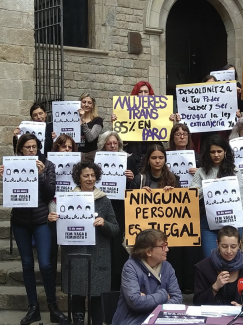
Trabajamos por un mundo basado en la justicia social, ambiental y económica; y por la interdependencia, la solidaridad y el respeto. Trabajamos para desmantelar los sistemas de poder opresivo y contra todas sus manifestaciones, incluidos el patriarcado, los fundamentalismos, los militarismos, los fascismos y el poder corporativo que amenazan nuestras vidas y nuestro mundo. Queremos un mundo justo en el que los recursos y el poder sean compartidos en formas que permitan que todas las personas prosperen.
Magaly Quintana era conocida por muchxs en Nicaragua como 'La Maga'. Fue una historiadora feminista, activista y defensora inquebrantable de los derechos de las mujeres que exigía justicia para las víctimas de femicidio.
Magaly se comprometió a documentar y elaborar estadísticas sobre las mujeres y niñas que fueron asesinadas como resultado de la violencia sexual en el país.
Magaly también criticó al gobierno por la reforma de la Ley 779 que trata la violencia contra las mujeres. Como resultado del arduo trabajo de los movimientos de mujeres nicaragüenses, esta ley, antes de su reforma, incluía importantes disposiciones para penalizar el femicidio. Magaly argumentó que estas reformas legislativas debilitaban la ley, y limitaban la definición de los femicidios a homicidios, invisibilizando, como resultado, los delitos violentos contra las mujeres.
La organización feminista de Magaly se fundó a principios de los ‘80. Fue la directora de Mujeres Católicas por el Derecho a Decidir, que defiende el derecho al aborto terapéutico tras su prohibición en 2006. En 2018, apoyó las protestas contra el gobierno de Daniel Ortega.
Magaly nació en mayo de 1952 y falleció en mayo de 2019.
"Hasta luego, mi querida Magaly Quintana. Muchas gracias, gracias por tu legado. Te veremos de nuevo, tan fuerte y poderosa como siempre."- Erika Guevara Rosas (Directora Americana de Amnistía Internacional).