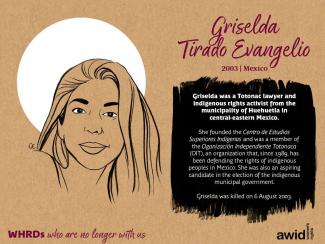
Griselda Tirado Evangelio
WHRDs are self-identified women and lesbian, bisexual, transgender, queer and intersex (LBTQI) people and others who defend rights and are subject to gender-specific risks and threats due to their human rights work and/or as a direct consequence of their gender identity or sexual orientation.
WHRDs are subject to systematic violence and discrimination due to their identities and unyielding struggles for rights, equality and justice.
The WHRD Program collaborates with international and regional partners as well as the AWID membership to raise awareness about these risks and threats, advocate for feminist and holistic measures of protection and safety, and actively promote a culture of self-care and collective well being in our movements.
WHRDs are exposed to the same types of risks that all other defenders who defend human rights, communities, and the environment face. However, they are also exposed to gender-based violence and gender-specific risks because they challenge existing gender norms within their communities and societies.
We work collaboratively with international and regional networks and our membership
We aim to contribute to a safer world for WHRDs, their families and communities. We believe that action for rights and justice should not put WHRDs at risk; it should be appreciated and celebrated.
Promoting collaboration and coordination among human rights and women’s rights organizations at the international level to strengthen responses concerning safety and wellbeing of WHRDs.
Supporting regional networks of WHRDs and their organizations, such as the Mesoamerican Initiative for WHRDs and the WHRD Middle East and North Africa Coalition, in promoting and strengthening collective action for protection - emphasizing the establishment of solidarity and protection networks, the promotion of self-care, and advocacy and mobilization for the safety of WHRDs;
Increasing the visibility and recognition of WHRDs and their struggles, as well as the risks that they encounter by documenting the attacks that they face, and researching, producing, and disseminating information on their struggles, strategies, and challenges:
Mobilizing urgent responses of international solidarity for WHRDs at risk through our international and regional networks, and our active membership.
Ces informations sont disponibles dans notre Appel à activités, et notamment sa section intitulée « Ce qu’il faut savoir ».

مريم مكيوي مخرجة أفلام ومصورة من الإسكندرية تعيش وتعمل في برلين.
إذا تم قبول مقترحك فسيتم الاتصال بك من قبل فريق جمعية حقوق المرأة في التنمية لتقييم احتياجات الترجمة الفورية وإمكانية الوصول والاستجابة لها.
If your activity is accepted, you will be contacted by the AWID team to assess and respond to interpretation and accessibility needs.
Lo voy a admitir: cuando Angélica y Fabi me invitaron a ser curadora de una colección de textos eróticos de mujeres negras, no sabía qué era la curaduría. Entendía bien lo erótico, pero la curaduría…
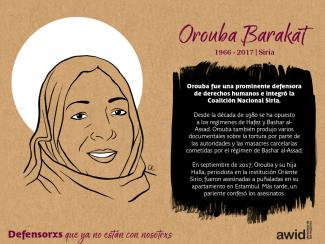
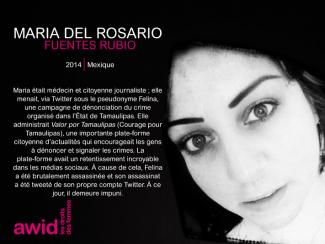
باختصار، نعم! تعمل جمعية حقوق المرأة في التنمية حاليًا مع لجنة إمكانية الوصول لضمان إمكانية الوصول إلى المنتدى قدر الإمكان. نحن نجري أيضًا تدقيقًا لإمكانية الوصول إلى مكان انعقاد المنتدى والفنادق المحيطة ووسائل النقل. ستكون المعلومات التفصيلية حول إمكانية الوصول في منتدى جمعية حقوق المرأة في التنمية متاحة في هذا القسم قبل فتح التسجيل. وفي الوقت نفسه، لأية أسئلة يرجى الاتصال بنا.
Los hospitales son instituciones, espacios vivientes del capitalismo, y lo que se manifiesta cuando alguien está supuestamente haciendo reposo allí es un microcosmos del sistema en que vivimos.
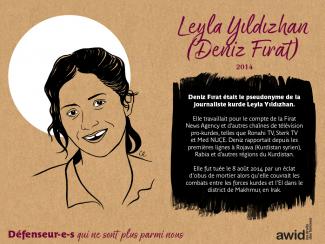
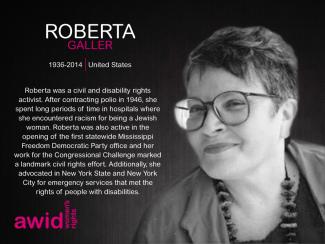
Este año, junto con activistas feministas de todo el mundo, estaremos en la CSW68 en Nueva York .Estaremos presentes para desafiar las narrativas capitalistas y neoliberales y las falsas soluciones en torno a la pobreza, el desarrollo y la financiación. A través de eventos presenciales, transmisiones en vivo en nuestras redes sociales, un stand de exhibición y más. Nos presentamos para convocar, amplificar y apoyar las voces y la participación de nuestra membresía y aliades.
Conoce más sobre nuestro programa para este año a continuación.
غوى صايغ كاتبة كويرية آناركية، وناشرة مستقلة ومؤرشفة. هي المحرّرة المؤسِّسة لمجلّة “كحل” ومؤسِّسة شريكة لـ”منشورات المعرفة التقاطعية”. حصلت على ماجستير في الدراسات الجندرية من جامعة باريس 8 فينسين - سانت دينيس. إنها شغوفة بنظرية الكوير، والمنشورات الدورية العابرة للحدود القومية، والتاريخ المتخيل أو المجهول. أودري لورد وسارة أحمد هما ملهمتاها.