Over the past few years, a troubling new trend at the international human rights level is being observed, where discourses on ‘protecting the family’ are being employed to defend violations committed against family members, to bolster and justify impunity, and to restrict equal rights within and to family life.
The campaign to "Protect the Family" is driven by ultra-conservative efforts to impose "traditional" and patriarchal interpretations of the family, and to move rights out of the hands of family members and into the institution of ‘the family’.
“Protection of the Family” efforts stem from:
rising traditionalism,
rising cultural, social and religious conservatism and
sentiment hostile to women’s human rights, sexual rights, child rights and the rights of persons with non-normative gender identities and sexual orientations.
Since 2014, a group of states have been operating as a bloc in human rights spaces under the name “Group of Friends of the Family”, and resolutions on “Protection of the Family” have been successfully passed every year since 2014.
This agenda has spread beyond the Human Rights Council. We have seen regressive language on “the family” being introduced at the Commission on the Status of Women, and attempts made to introduce it in negotiations on the Sustainable Development Goals.
Our Approach
AWID works with partners and allies to jointly resist “Protection of the Family” and other regressive agendas, and to uphold the universality of human rights.
In response to the increased influence of regressive actors in human rights spaces, AWID joined allies to form the Observatory on the Universality of Rights (OURs). OURs is a collaborative project that monitors, analyzes, and shares information on anti-rights initiatives like “Protection of the Family”.
Rights at Risk, the first OURs report, charts a map of the actors making up the global anti-rights lobby, identifies their key discourses and strategies, and the effect they are having on our human rights.
The report outlines “Protection of the Family” as an agenda that has fostered collaboration across a broad range of regressive actors at the UN. It describes it as: “a strategic framework that houses “multiple patriarchal and anti-rights positions, where the framework, in turn, aims to justify and institutionalize these positions.”
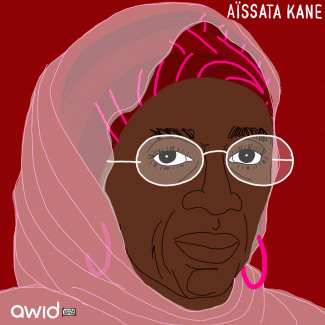
Aïssata Kane, also fondly known as “Yaye Kadia” (Mother Kadia), was a feminist with a lifelong committment in advocating for African and especially Mauritanian women’s rights.
In her career as a politician, she was appointed Minister of Family Protection and Social Affairs in 1975, the first time a woman held such a position and in which Aïssata fervently worked to improve the status of women in her country.
This work included advancing girls’ and women’s education, fighting against the practice of force-feeding of young women, lobbying for an inclusion of a marital rights provision, and advocating for a female representation quota to be created in the Parliament.
“[Aïssata] realized all her passions with humility, courage and determination. She didn’t want to disturb anyone by her fight on all these fronts at the same time.” Ball Halimata Dem, Aïssata’s niece
She founded the National Union of Women of Mauritania (UNFM), co-creating and publishing Marienou for them, a magazine dedicated to the emancipation of Mauritanian women. Aïssata also directed several sub-regional and local organizations, including as the President of the International Association of Francophone Women (AIFF) and as a resolute ecologist, she was President of the Association for the Protection of the Environment in Mauritania (APEM).
In 2018 she received the Pioneer Woman Award. It honors her work in advancing Mauritania’s women’s status and recognizes her strong leadership and sense of innovation.
Ritu es una tecnóloga feminista que aporta su experiencia en el sector sin fines de lucro, movida por la pasión de utilizar enfoques innovadores para encontrar soluciones tecnológicas en clave feminista. Con una maestría en Tecnología de las Aplicaciones Informáticas del Instituto de Tecnología de la India, su función en AWID abarca una diversidad de responsabilidades. Desde la supervisión de la seguridad digital y la gestión de servidores, hasta la administración de las bases de datos, pasando por el desarrollo de capacidades, la evaluación de tecnologías, la implementación de software y soluciones en la nube, Ritu vela por la resiliencia y la efectividad de la infraestructura de las tecnologías de la información de AWID. Antes de incorporarse a AWID, desempeñó un papel fundamental en la promoción de iniciativas tecnológicas en los sectores del medio ambiente y de la promoción de la salud, impulsada por su afán de aprovechar la tecnología en aras del bien social.
Position
Gerente, Tecnologías de la Información
Add to stories
Off
كلمة العدد
ترجمة رولا علاء الدين
كلمة العدد
فقدان الكلام
غوى صايغ
تشينيلو أونوالو
«لمّا نكون مُستَقتِلين للتغيير، لِكوننا في حالة مرضٍ وتمرّدٍ في آنٍ واحد، تخلو لغتنا من التعقيد وتنصقل لتعكس أبسط ركائزها. (...) لكن، ومع استمرار المرض والثورة، تصبح اللغة المُصاغة في هذه الحالة وعنها أكثرَ عمقاً وأكثرَ تعبيراً عن الفوارق الدقيقة، وتكون منغمسة انغماساً شديداً في التجربة الإنسانية التي يواجه فيها المرءُ حدودَه عند نهاية العالم». - جوانا هيدفا
بدأنا التخطيط لعدد المجلّة هذا مع نانا داركوا قُبيل مهرجان «ابدعي، قاومي، غيٍّري: مهرجان للحراكات النسوية» لجمعية «حقوق المرأة في التنمية» AWID، وانطلقنا وقتها من سؤالٍ هو بالأحرى ملاحظة حول حالة العالم، ورغبة في تغيير الاعتقادات السائدة: لماذا لا تزال جنسانيّاتنا وملذّاتنا تخضع للترويض والتجريم مع أنّه يتمّ تذكيرنا مراراً وتكراراً بأنّها لا تأتي بأيّ قيمة أو تطوّر؟ واستنتجنا أنّ جنسانيّاتنا، لمّا تتجسّد، فيها ما يتعارض مع النظام العالمي الذي ما زال يتجلّى من خلال ضوابط الحدود، والتمييز العنصري في توزيع اللقاح، والاستعمار الاستيطاني، والتطهير العرقي، والرأسمالية المُستشرية. هل يمكننا إذاً القول إنّ لجنسانيّاتنا قدرةٌ تعطيليّة؟ وهل يصحّ هذا القول عندما ننظر إلى واقع حركاتنا التي يتمّ الاستيلاء عليها ومأسستها في سعيها للتزوّد بالموارد؟
عندما يصبح عملنا المتجسّد مادةً ربحية في أيدي الأنظمة التي نسعى إلى إزالتها فلا عجب أنّ جنسانيّاتنا وملذّاتنا توضَع جانباً من جديد، لا سيّما أنّها ليست مُربِحة بما فيه الكفاية. لقد تساءلنا، في مواقف عدّة خلال إنتاج هذا العدد، ما الذي سيحدث إذا رفضنا مراعاة خدمات الرأسمالية الأساسية؟ لكن هل نجرؤ على هذا التساؤل وقد أنهكنا العالم؟ ربما يتمّ تجاهل جنسانيّاتنا بهذه السهولة لأنها لا تُعتَبَر أشكالاً من أشكال الرعاية. ربما ما نحتاجه هو أن نعيد تصوّر الملذّة كشكلٍ من أشكال الرعاية الجذرية، تكون أيضاً مناهضة للرأسمالية وللمؤسساتية.
بدأنا العام الثاني على التوالي لحالة الجائحة العالمية وكان لا بدّ أن تركّز مقاربتنا للتجسيدات العابرة للحدود القومية على ملاحظة سياسيّة واحدة: أنّ الرعاية هي شكل من أشكال التجسيد. وبما أنّ جزءاً كبيراً من عملنا يتمّ حالياً من دون أيّ اعتبار للحدود بيننا وفينا فنحن جميعاً متجسّدون بشكلٍ عابرٍ للحدود القومية، ونحن جميعاً نفشل. نحن نفشل في رعاية ذاتنا، والأهمّ أننا نفشل في رعاية الآخرين.
هذا الفشل ليس من صنع أيدينا.
إنّ الكثير من أهالينا اعتبروا العملَ مقايضةً، أي أنّه شيءٌ يُعطى مقابل أجرٍ وضمانة بالحصول على الرعاية. صحيحٌ أنّه تمّ الإخلال بهذه المقايضة أحياناً، لكنّ أهالينا ما كانوا يأملون أنّ عملهم سيوفّر لهم الرِضا الذاتي، وكانوا يعتمدون لهذا الغرض على نشاطهم الترفيهي وهواياتهم ومجتمعاتهم. أمّا اليوم، فنحن، أولادهم الذين تمّت تهيأتنا لنعتبر العمل متشابكاً مع الشغف، توقّعاتنا مختلفة تماماً. نحن لا نفرّق بين العمل والترفيه ونعتبرهما عنصراً واحداً، وبالنسبة للكثيرين بيننا، العمل بات يجسّد الذات بكاملها.
إنّ الرأسمالية القائمة على الأبويّة والمغايَرة الجنسية لا ترى لنا أيّ قيمة، ناهيك عن عملنا وجنسانيّاتنا. إنّه نظامٌ سيستمر في طلب المزيد والمزيد منك إلى يوم مماتك، وبعدها سيستبدلك بشخصٍ آخر. يُنتَظَر منّا أن نكون على اتصال بالإنترنت في كلّ الأوقات، ما يعني أنّه لا يمكننا الانصراف عن العمل حتى لو شئنا ذلك. إنّ هذا التَتْجير للعمل وفصله تماماً عن الشخص قد تسلّل إلى كلّ ناحية من نواحي حياتنا، ويتمّ ترسيخ هذا التَتْجير حتى في الأوساط الأكثر نسويّة والأكثر تمرّداً وتشدّداً.
لطالما حمَلَت تطلّعات الرأسمالية ضرراً كبيراً بالأجساد التي لا تتوافق مع النموذج المثالي، وأولئك الذين يسعون إلى ترسيخ سلطتهم استغّلوا الجائحة كفرصة لاستهداف النساء والأقلّيات الجنسية وكلّ مَن يعتبرونه دون المستوى.
تمّ إعداد هذا العدد الخاص بفعل هذا الواقع، وطبعاً، رغماً عن هذا الواقع.
لقد قدّم المساهمون/ المساهمات والعاملون/ العاملات كلّهم تقريباً مجهوداً يفوق طاقاتهم، وكلٌّ من الأعمال الواردة هنا هو نتاجُ سعيٍ شغوف ولكن أيضاً نتاج حالة إنهاكٍ شديد.
يشكّل هذا العدد، بطريقة غايةً في الواقعية، تجسيداً للعمل العابر للحدود القومية، علماً أنّ أيّ عمل في عصرنا الرقمي أصبحَ عابراً لتلك الحدود. وفيما فُرِضَ علينا تقبّل حدود جديدة، وهي حدود لا تخالف النظام القائم سابقاً بل تعزّزه، اختبرنا مباشرةً، إلى جانب مساهمينا، كيف تستنزف الرأسمالية طاقاتنا القصوى – كيف يصبح من الصعب بناء الحجج المتماسكة لا سيّما حينما تكون خاضعة لموعد التسليم. إننا نعاني بشكلٍ جَماعي من فقدان الكلام لأننا أساساً نعاني من فقدان العوالم.
الشعور بالضياع والوحدة في عالم الرأسمالية القائمة على الأبوية والمغايَرة الجنسية هو بالتحديد ما يجعل من الضروري أن نعيد تقييم أنظمة الرعاية التي نتّبعها وأن نُعيد النظر فيها. لقد حوّلنا هذا العدد بوسائل عدّة إلى مهمّة لإيجاد الملذّة في الرعاية. فبما أنّه بات من الصعب بناء الحجج المتماسكة، برزت الوسائط البصرية والمبتكرة وقد لجأ كثرٌ ممن اعتادوا الكتابة إلى هذه الوسائط كطرقٍ لإنتاج المعرفة واختراق الضباب الفكريّ الذي أحاط بنا. لقد ضمّينا في هذا العدد أصواتاً أخرى، بالإضافة إلى أصواتٍ عدّة استمعتم إليها في المهرجان، كوسيلة لإطلاق حوارات جديدة وتوسيع آفاقنا.
بما أنّ كلماتنا قد سُرِقَت منّا، يقضي واجبنا السياسي بأن نستمر في إيجاد الوسائل للحفاظ على أنفسنا والآخرين والاهتمام بأنفسنا وبالآخرين. بالتالي، يصبح تجسّدنا نوعاً من المقاومة إذ هو بداية إيجادنا لسبيل الخروج من الذات ودخولها.
ExploreTransnational Embodiments
This journal edition in partnership with Kohl: a Journal for Body and Gender Research, will explore feminist solutions, proposals and realities for transforming our current world, our bodies and our sexualities.
نصدر النسخة هذه من المجلة بالشراكة مع «كحل: مجلة لأبحاث الجسد والجندر»، وسنستكشف عبرها الحلول والاقتراحات وأنواع الواقع النسوية لتغيير عالمنا الحالي وكذلك أجسادنا وجنسانياتنا.
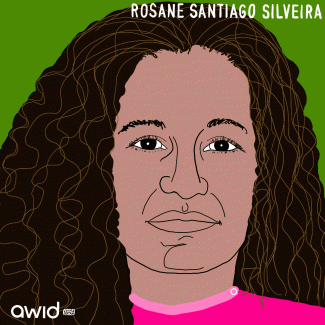
Rosane Santiago Silveira era conocida afectuosamente como «Rô Conceição». Fue una activista ambiental y por los derechos humanos que luchó fervientemente para proteger el medio ambiente en las zonas más amenazadas.
Esta lucha incluyó la defensa así como también la protección ambiental en la isla de Barra Velha, cuando estuvo amenazada por la exploración petrolera, mediante campañas contra la apropiación de tierras y la expansión de las plantaciones de eucaliptus en el Estado de Bahía, donde Rosane integraba el Consejo de la Reserva Extractivista de Cassurubá.
«La Reserva Extractiva es un área protegida donde las familias residentes se ganan la vida con productos naturales extraídos del bosque. Estas actividades ayudan a mantener la integridad del bosque.» - Global Justice Ecology Project (fuente original: Rede Brasil Atual)
Rosane participó en actividades sindicales, y en movimientos culturales y por los derechos humanos. Dedicó gran parte de sí misma, no solamente a las causas que la afectaban directamente, sino a problemas de la tierra, los bosques, los ríos y las comunidades cuyos derechos y vidas están continuamente en riesgo.
Fue torturada y asesinada el 29 de enero de 2019 en Nova Viçosa, una ciudad del sur de Bahía.
«Lamentablemente, hoy existe un sentimiento de inseguridad total, por la ausencia del Estado en la investigación de estos delitos. Estuvimos con ella en Navidad, todos se dieron cuenta de que estaba preocupada, y ahora sabemos que había recibido tres amenazas de muerte.» - Tuian, hijo de Rosane, en una entrevista con Rádio Brasil Atual (fuente original: Rede Brasil Atual)
Snippet Watch Stories (EN)
Learn more about the impact of the forum through these stories
Priscilla a près de deux décennies d'expérience de travail dans le secteur non lucratif et des organisations de justice sociale qui travaillent sur les droits des femmes et des jeunes, la conservation, la consolidation de la paix et le développement. Elle s’intéresse à la mise en place de processus et de systèmes progressifs qui aident les organisations à respecter leurs valeurs et principes pour s’épanouir, et à l’obtention de moyens permettant aux organisations et aux personnes qui collectent des fonds d’allouer et de sécuriser les ressources nécessaires à la réalisation d’un travail de qualité. Priscilla a rejoint l'AWID en 2018 en tant que responsable de la mobilisation des ressources, pour ensuite assumer le rôle de directrice des opérations et des partenariats financiers à partir de juillet 2023.
Priscilla est titulaire d'un master en politique internationale de l’École des Études Orientales et Africaines (SOAS). Elle tient une pile, de plus en plus grande, de livres pour lesquels elle essaie toujours de trouver du temps pour les lire. Elle siège au sein du conseil d'administration de la Hodan Somali Community, une organisation caritative basée à Londres.
Position
Directrice des Opérations et des Partenariats Financiers
Add to stories
Off
An alternative future is possible, we just have to keep believing
The space created by this festival has been so necessary. Necessary for the souls of those who are seeking comfort during these bleakest of times. Necessary for those craving community in what feels like an increasingly isolating world and above all, necessary for those fighting against the very systems that have brought many of us to our knees, especially over the past two years.
“Crisis is not new to feminist and social movements, we have a long history of surviving in the face of oppression and building our communities and our own realities.”
Advocating for alternative visions and alternative realities to the one we are currently living in is a fundamental building block of the feminist agenda. So many amazing people are doing the work of exploring different ways for us to exist in this world. These alternatives are people-centred. They are equitable and just. These worlds are filled with love, tenderness and care. The visions outlined are almost too beautiful to imagine, yet we must force ourselves to imagine because this is the only way we can continue.
Over the past 10 months, I have been incredibly fortunate to be working with a feminist collective that is not just imagining an alternative reality but actively living it. We are inspired by the work of so many other feminist movements across the globe who have not let the white supremacist, capitalist patriarchy deter their visions. This collective has held me together when all I wanted to do was fall apart. Much like the story shared by Maria Bonita on Day 4 of the festival, the liberation I have found in feminist movements is far too great to only be experienced by me. This is something we need to share, that we need to shout from the rooftops as we invite others to join.
Day 4 of the festival brought with it a captivating conversation between Felogene Anumo, Dr Dilar Dirik, Nana Akosua Hanson and Vandana Shiva who encouraged festival attendees to believe that not only is an alternative future possible - but that it is indeed urgent. Feminists have been talking about alternative worlds for so many years and hearing about these from the panellists was not just eye-opening but also comforting. Comforting in the sense that it made me feel safe to know that there are indeed strong, global feminist networks working across international and national borders, seeking to decolonise the established frameworks of our current realities.
What does an alternative reality look like?
During the session, Dr Dirik highlighted the fact that belief, sacrifice and patience are most needed to abolish the oppressive systems we currently live in. Collaboration, partnership, creativity, solidarity and autonomy. These are key pillars to building a global feminist society and they should be embraced by all feminist movements around the world.
Practical examples of these realities can be found across the globe, including the Soulaliyate Women's Land-Use Rights Movement. Referring to the tribal women in Morocco who live on collective land, the Soulalyate Women’s Movement is the first grassroots nationwide mobilisation for land rights in Morocco. Whilst initially the movement was quite small, it grew into a nationwide agenda that challenged the gendered nature of laws regulating land in the country. In 2019, the group contributed to overhauling the national framework legislation on the management of community property through the adoption of three sets of laws guaranteeing the equality of women and men.
Knowing about these feminist movements who are doing the work to make alternative futures a reality is incredibly inspiring and just what is needed, especially as I struggle to grapple with the neverending stream of bad news that seems to flow uninterrupted.
“Capitalist patriarchy is like a cancer. It doesn’t know when to stop growing” - Dr Vandana Shiva
AWID has always been a movement inspired by the feminist realities that we can live in. Through their festivals, as well as feminist realities magazine and toolkit, we have been shown a different way of doing things. We can imagine a world where care is prioritised, where feminist economies and gender justice are the norm. Creating alternative futures is how we fight back, it’s how we resist the violence that is perpetrated against our bodies every day.
The Crear | Resister | Transform Festival has allowed me to feel so connected to a global community, many of whom I will never meet. Knowing that we are all working towards and claiming another world has lit a fire in my soul and I cannot wait to see what the next festival will have in store.
If you missed it, make sure to watch the: "She is on her way: Alternatives, feminisms and another world" session from Day 4 of the festival below. And remember, as Dr Shiva said so eloquently: “Women’s energies will continue life on earth. We will not be defeated.”
« Je suis un miracle… Je suis donc née d’une mère! Moi qui commence à bégayer, J’ai eu une vie à nulle autre pareille... » - Ayanda Denge (lisez le poème entier ci-dessous)
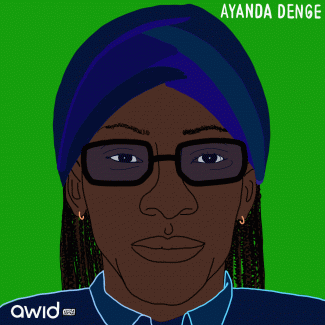
Ayanda Denge était une femme trans, travailleuse du sexe, activiste et poète. Elle était une Xhosa de Port Elizabeth, dans la province du Cap-Oriental en Afrique du Sud. Après avoir traversé différentes villes du pays, elle s'est installée au Cap.
En tant qu’activiste fervente et engagée de la justice sociale, elle s'est battue pour les droits des travailleures du sexe, des personnes trans et des personnes vivant avec le VIH et le sida. Elle a également été une conférencière motivatrice sur la sensibilisation au cancer ainsi que fait campagne en faveur de logements sociaux et abordables, en particulier au profit des pauvres et des travailleures. Ayanda s'est dressée comme une montagne contre les différents visages souvent violents de la discrimination.
« Lorsque vous êtes transgenre, ce n’est pas une double dose, mais une triple dose de stigmatisation et de discrimination que vous recevez. Vous êtes discriminé·e en raison de votre identité sexuelle, en raison de votre travail et en raison de votre statut sérologique VIH. » - Ayanda Denge, 2016
Elle a été présidente par intérim de la Sex Workers Education and Advocacy Taskforce (SWEAT, groupe de travail sur l’éducation et la défense des travailleures du sexe) et coordonnatrice de liaison pour Sisonke, un mouvement national de travailleures du sexe sud-africain.
« D’ici, de notre siège régional à SWEAT, où je siège au conseil d'administration, en passant par Sisonke, un mouvement de travailleures du sexe au Cap, nous ne faisons qu’un. Nous avons un même cri et c'est un cri qui est reconnu dans le monde entier par les travailleures du sexe de toute la planète. Nous voulons la décriminalisation du travail du sexe ». - Ayanda Denge, 2016
Elle vivait dans la maison Ahmed Kathrada, qui était occupée par la campagne Reclaim the City en faveur de logements sociaux. En 2018, Ayanda avait été élue responsable de la maison. Le 24 mars 2019, elle a été poignardée à mort dans sa chambre. L'année précédente, un autre résident avait été tué.
Reclaim the City fait le lien entre la sécurité des résident·e·s des maisons et le gouvernement de province qui les prive d'électricité et du droit humain à l'eau potable :
« Nous ne pouvons dissocier la sécurité des femmes et des personnes LGBTQI vivant dans le squat du refus du gouvernement de la province du Cap-Occidental de rétablir l'électricité et l'eau potable dans la maison Ahmed Kathrada.
La maison est dans le noir complet le soir. Nous avons besoin de lumière pour nous protéger les un·e·s les autres. On a l'impression que la province veut punir les pauvres et les ouvrier·ère·s, dont le seul crime était d'avoir besoin d'un toit. Certes, ils ont le droit de ne pas être d’accord avec nos raisons de squatter, mais ils devraient avoir honte de faire passer la politique avant la sécurité et la dignité des résident·e·s de cette ville.
Repose en paix, camarade Ayanda Denge, nous reprenons le flambeau et nous nous souviendrons de toi dans cette lutte pour un logement décent et central. »
Poème d’Ayanda :
Je suis un miracle…
Je suis donc née d’une mère!
Moi qui commence à bégayer,
j’ai eu une vie à nulle autre pareille.
Née dans la douleur
Nourrie par la pluie
Pour gagner en hauteur
Je vivais dans les égouts.
Là je verse une larme,
je me relève et brandis ma lance.
Les voix résonnent, n’ayez pas peur
Des défis à relever dans l’année,
Des défis de souffrance dans mon dossier;
La communauté applaudit, croyant que j’ai gagné la course;
Mais en réalité mon travail avance à pas de tortue;
À genoux je m’incline et demande grâce.
Car le Seigneur
Est mon épée;
Pour rappeler à l’humanité
Qu’il apporte la sérénité.
Pourquoi, Seigneur, suis-je ce miracle?
Le Seigneur me répond par la pluie et le tonnerre,
Pour avoir interrogé mon père
Qui a dans le livre des agneaux
Un prénom nommé Ayanda.
Dans la rue ma vie n’a jamais été douce
Les personnes que j’ai dû croiser;
Parfois, je ne les saluais jamais;
Et même lorsque j’avais besoin de manger;
Je préférais tirer ma révérence
Plutôt que de prendre place.
« Car ma vie est pareille à celle d’une fleur de lotus, hors des eaux sombres et troubles, j'ai fleuri pour être belle et forte… »- Ayanda Denge, regardez et écoutez
Hommages :
« Ayanda, je voudrais te dire que dans nos coeurs, dans nos esprits, tu es toujours une survivante. Tu n’es plus là mais tu es partout, parce que tu es amour. Comme c’est merveilleux d’être aimé·e, et de donner de l’amour. Et c’est là, Ayanda, le cadeau que tu nous as fait. Merci pour tout cet amour, nous avions vraiment besoin de toi. Je te promets qu’à l’avenir, nous nous engageons tou·te·s à poursuivre la lutte à laquelle tu as consacré tant d’énergie et de temps. Et nous nous engagerons à obtenir justice pour cette fin de vie abominable que tu as connue. » - Transcription d’un message, lors d’un hommage d'adieu à Ayanda
« Ayanda était une activiste par nature. Elle connaissait ses droits et n’hésitait pas à se battre pour les droits des autres. En ce qui me concerne, je n’ai pas été surprise qu’elle s’implique auprès de nombreuses organisations, il était évident qu’elle aimait les gens. Elle ne défendait pas nécessairement les droits des LGBTI, mais les droits de toutes et de tous. » - la soeur d’Ayanda
Snippet Forum Quoate Nicky Mcintyre (ES)
Todos nuestros procesos de cambio se basan en las relaciones que construimos en espacios como los Foros de AWID donde se baila juntxs, tu humor se trasluce, tu yo real, cuentas historias... eso es lo que hace la diferencia. - Nicky Mcintyre, Estados Unidos
Film club - Finding Sally
Finding Sally (2020) Amharic | Anglais avec sous-titres anglais
Une enquête personnelle sur la vie mystérieuse de la tante de la réalisatrice Sally, une aristocrate éthiopienne devenue rebelle communiste qui a disparu après la révolution conduisant au renversement de l'empereur Haile Selassie.
Discussion en direct avec Tamara Dawit, réalisatrice de « Finding Sally »
Umyra Ahmad is a Malaysian feminist with a background in international and regional advocacy, and human rights education. In AWID, she works on advancing rights related to gender and sexuality at the UN. Prior to joining, she was a programme officer at IWRAW Asia Pacific, where she supported regional, national and grassroots organizations in using UN treaty body mechanisms as a tool for state accountability and access to justice. In Malaysia, she works with queer and refugee collectives and supports coordination of various mutual aid initiatives.
Position
Advancing Universal Rights and Justice Advocacy Lead
Add to stories
Off
Carta de amor a los movimientos feministas #4
A mis queridxs feministas que viven con el VIH:
Llevamos juntxs más de 20 años; el amor y apoyo de ustedes me es muy entrañable. Es interesante pensar que ustedes también tienen una edad similar a la de AWID, que somos contemporáneas, tratando de descubrir cómo comprometernos y apoyar a la comunidad. A las madres del movimiento: sus liderazgos y orientación han sido inigualables. Pienso en Prudence Mabele, Kate Thompson, Darien Taylor, Patricia Pérez, Martha Tholanah, Deloris Dockery, Iris De La Cruise, Doris Peltier, Cecilia Chung y tantxs otras. Aunque no son perfectxs (ya que ningunx de nosotrxs lo es), ustedes siempre ponen a su comunidad en primer lugar y abogan por la inclusión de TODXS lxs mujeres que viven con el VIH en los espacios feministas.
Amo la forma en que me sostuvieron cuando nadie más había podido hacerlo, pero lo más importante es cómo nos sostuvimos mutuamente. Ustedes comprenden el estigma, la discriminación, la violencia y el dolor, y también comprenden la alegría, el amor y el perdón. Como feministas que vivimos con el VIH, somos gloriosas y poderosas en nuestra interseccionalidad. Entendemos que el feminismo incluye y que está liderado por comunidades — las de nuestras hermanas negras, marronas e indígenas, las comunidades trans y de género diverso, lxs trabajadorxs sexuales, lxs queer/lesbianas, lxs que han sido encarceladxs y lxs que usan drogas —, tal y como se establece en los principios de la MPPVS (mayor participación de las personas que viven con el VIH y el sida). Practicamos un feminismo incluyente. Hablamos de los temas difíciles y de las comunidades criminalizadas, porque como personas que vivimos con el VIH, nosotrxs mismxs estamos criminalizadxs.
Sería muy desconsiderada si no le enviara un cariño especial a lxs mujeres jóvenes que viven con el VIH, que son el latido del movimiento. Lxs veo, Kia Lebejia, Keren Dunaway, Liz Onyango, Faith Ona, Sara Thapa Maga, Doreen Moraa, Yana Panfilova y millones de otrxs increíbles activistas que viven con el VIH. Ustedes son la energía que nos seguirá impulsando y que nos permitirá ser consideradxs importantes en los movimientos feministas hegemónicos. Gracias por hacer avanzar cada vez más a nuestro movimiento para incluir SIEMPRE a las personas trans y de género diverso, para hablar de las relaciones entre el cambio climático y la salud y los derechos sexuales y reproductivos.
Lxs quiero, quiero, quiero mucho. Para bien o para mal, avancemos juntxs porque esta es nuestra comunidad, esta es mi comunidad.