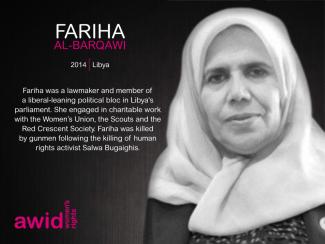
Fariha Al Berkawi
Over the past few years, a troubling new trend at the international human rights level is being observed, where discourses on ‘protecting the family’ are being employed to defend violations committed against family members, to bolster and justify impunity, and to restrict equal rights within and to family life.
The campaign to "Protect the Family" is driven by ultra-conservative efforts to impose "traditional" and patriarchal interpretations of the family, and to move rights out of the hands of family members and into the institution of ‘the family’.
Since 2014, a group of states have been operating as a bloc in human rights spaces under the name “Group of Friends of the Family”, and resolutions on “Protection of the Family” have been successfully passed every year since 2014.
This agenda has spread beyond the Human Rights Council. We have seen regressive language on “the family” being introduced at the Commission on the Status of Women, and attempts made to introduce it in negotiations on the Sustainable Development Goals.
AWID works with partners and allies to jointly resist “Protection of the Family” and other regressive agendas, and to uphold the universality of human rights.
In response to the increased influence of regressive actors in human rights spaces, AWID joined allies to form the Observatory on the Universality of Rights (OURs). OURs is a collaborative project that monitors, analyzes, and shares information on anti-rights initiatives like “Protection of the Family”.
Rights at Risk, the first OURs report, charts a map of the actors making up the global anti-rights lobby, identifies their key discourses and strategies, and the effect they are having on our human rights.
The report outlines “Protection of the Family” as an agenda that has fostered collaboration across a broad range of regressive actors at the UN. It describes it as: “a strategic framework that houses “multiple patriarchal and anti-rights positions, where the framework, in turn, aims to justify and institutionalize these positions.”
Si tu actividad es seleccionada, el equipo de AWID te contactará para evaluar y responder a tus necesidades de interpretación y accesibilidad.
Salome is a feminist activist from Tbilisi, Georgia, devoted to social and gender justice. She holds a Master's degree in gender studies, and has been engaged in feminist, queer and green movements for over twelve years, working amongst others on issues of gender based violence, domestic violence, sexual and reproductive health and rights, LGBTIQ rights, [women’s] Labor Rights, Healing Justice and holistic and digital security and rights.
Since 2014 she has been actively working on safety and security issues of activists and Women Human Rights Defenders, providing integrated security and digital security workshops specifically for activists from under-privileged groups (queer persons, ethnic and religious minorities, rural women and girls, etc) as well as bigger feminist organisations. Salome is a member of the Independent Group of Feminists - a non-formal, non-hierarchical and non-registered initiative that unites feminists with diverse backgrounds in Georgia. Currently, she is the Executive Director of the Women's Fund in Georgia, fully engaged in women's/feminist movement building, providing feminist funding, and encouraging local feminist philanthropy.
Je vais être honnête : lorsque Angélica et Fabi m’ont proposé de créer une collection de textes érotiques écrits par des femmes noires, j’ignorais ce que c’était que de produire un recueil. Je maîtrisais le thème de l’érotisme, mais créer un recueil…
Related content
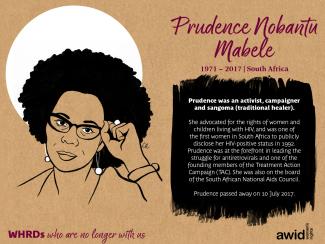
African Women's Development Fund: Remembering a Warrior: Prudence Mabele
BBC: Prudence Mabele: The life of the South African HIV campaigner
Mail and Guardian: The Pied Piper of the broken-hearted: HIV activist Prudence Mabele
Face2Face Africa: Prudence Mabele, 1st Black SA Woman To Reveal HIV Positive Status Dies At 46
Ms. Prudence Mabele - I'm committed to respond to HIV! (Video)
AWLN Interview with Prudence Mabele of South Africa (Video)
Sangoma: Why I take ARVs (Video)
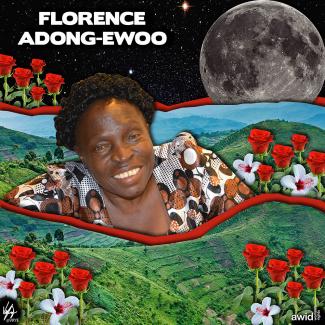
Florence était une militante des droits des personnes handicapées qui travaillait avec plusieurs organisations de femmes handicapées en Ouganda.
Elle a également occupé le poste de présidente de l’Association des femmes handicapées du district de Lira, ainsi que du caucus des conseillères du district de Lira. Formée en tant que conseillère pour personnes handicapées et parents d'enfants handicapés, elle a soutenu de nombreux projets appelant à une plus grande représentation des personnes handicapées.
Elle est morte dans un accident de moto.
Sanyu es una feminista que reside en Nairobi (Kenia). Ha dedicado los últimos 10 años a apoyar a los movimientos obreros, feministas y por los derechos humanos, promoviendo la rendición de cuentas empresarial, la justicia económica y la justicia de género. Ha trabajado con el Centro de Información sobre Empresas y Derechos Humanos, en International Women’s Rights Action Watch Asia y el Pacífico (IWRAW, Observatorio Internacional de los Derechos de las Mujeres) y la Iniciativa de Derechos Humanos de la Commonwealth. Posee una maestría en Leyes y Derechos Humanos y una licenciatura en Derecho de la Universidad de Nottingham. Sus escritos se han publicado en el Business and Human Rights Journal, Human Rights Law Review, y plataformas como Open Global Rights, Democracia Abierta, entre otras. En sus ratos libres, le gusta caminar por el bosque y perseguir mariposas.
Les hôpitaux sont des institutions, des sites vivants du capitalisme, et ce qui se joue lorsque quelqu’un est censé se reposer est un microcosme du système lui-même.
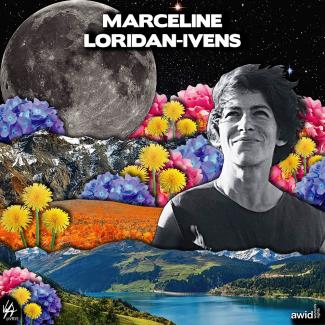
Born in 1928, Marceline worked as an actress, a screenwriter, and a director.
She directed The Birch-Tree Meadow in 2003, starring Anouk Aimee, as well as several other documentaries. She was also a holocaust survivor. She was just fifteen when she and her father were both arrested and sent to Nazi concentration camps. The three kilometres between her father in Auschwitz and herself in Birkenau were an insurmountable distance, which she writes about in one of her seminal novels “But You Did Not Come Back.”
In talking about her work, she once said: "All I can say is that everything I can write, everything I can unveil — it's my task to do it.”
Originaire des Fidji, Veena Singh est féministe et femme de couleur. Élevée dans une petite commune rurale de ces îles, elle tire sa force de la richesse de son héritage mixte (sa mère est une femme autochtone fidjienne et son père est de descendance indo-fidjienne). L’identité et le vécu de Veena ont largement façonné son engagement envers la justice, l’équité et l’inclusion. Avec plus d’une vingtaine d’années d’expérience dans les droits humains, l’égalité des genres, l’épanouissement de la communauté et l’inclusion sociale, Veena croit passionnément qu’il faut faire bouger les lignes du pouvoir pour provoquer le changement transformateur qui permettra de construire l’économie de la bienveillance. Elle travaille dans des domaines très divers, notamment l’épanouissement de la communauté ; les femmes, la paix et la sécurité ; les politiques sociales ; les droits humains ; et le plaidoyer politique.
Elle est profondément engagée à faire avancer l’inclusion, la paix et la justice, la santé et les droits sexuels et reproductifs, la justice climatique, la justice transitionnelle et les droits humains. Elle possède une vaste expérience des réseaux de terrain, des organisations internationales et des institutions gouvernementales, et elle place toujours au centre les approches pilotées à l’échelle locale et par les communautés ainsi que les principes féministes.
En dehors de sa « vie de bureau », Veena est une défenseuse de l’environnement, de la santé mentale et c’est aussi une écrivaine. Mère de 11 chats, elle ne jure que par les saris et a un gros faible pour le courrier traditionnel et les cartes postales. Observatrice attentive des mouvements féministes aux Fidji et dans le Pacifique, Veena est en plein parcours personnel pour « décoloniser sa pensée et soi-même, en entreprenant une introspection radicale ». Par-dessus tout, elle est animée par le désir et le rêve de livrer des écrits auxquels pouvoir s’identifier, qui résonnent auprès des autres, en connectant avec la diaspora du Pacifique et en amplifiant les voix marginalisées.
مع استمرار الرأسمالية الأبوية الغيريّة في دَفعِنا نحو الاستهلاكية والرضوخ، نجد نضالاتنا تُعزَل وتُفصَل عن بعضها الآخر من خلال الحدود المادّية والحدود الافتراضية على حدٍّ سواء. ومع تحدّياتٍ إضافية يفرضها علينا وباءٌ عالميٌّ علينا تجاوزه، أصبحت سياسة فرِّق تَسُد مواتية للاستغلال المتزايد في مجالات عدّة.
ومع ذلك، أخذَنا «ابدعي، قاومي، غيٍّري: مهرجان للحراكات النسوية»، الذي نظّمته جمعية «حقوق المرأة في التنمية» AWID في الفترة ما بين 1 أيلول/ سبتمبر وحتى 30 أيلول/ سبتمبر 2021، في رحلةٍ حول ما يعنيه تجسّد حيواتنا في المساحات الافتراضية. اجتمعَت معنا في المهرجان ناشطات نسويات من حول العالم، لأجل مشاركة خبراتهن حول المقاومة والحرّيات المُنتَزَعة بصعوبة، والتضامن العابر للحدود، وكذلك لتوضيح الشكل الذي يمكن أن يبدو عليه التكاتف العابر للحدود القومية.
يحمل هذا التكاتف إمكانية مقاومة الحدود، ناسجاً رؤية لمستقبل تحويلي، لأنه سيكون إلغائيًا ومناهضًا للرأسمالية. على مدار شهر، وعبر البُنى التحتية الرقمية التي احتللناها بكويريّتنا ومقاومتنا وخيالاتنا، بيّن لنا المهرجان طريقةً للانحراف عن الأنظمة التي تجعلنا متواطئات في قهر أنفسنا وأخريات/ آخرين.
بالرغم من أن أودري لورد علّمتنا أنّ أدوات السيّد لن تهدم أبدًا منزله، بيّنت لنا سارة أحمد أنه بإمكاننا إساءة استخدام تلك الأدوات عن سبق إصرار. أصبح من الممكن تخيّل خلخلة في واقع الرأسمالية الأبوية الغيريّة، لأننا خلقنا مساحة للاحتشاد، بالرغم من كلّ الأشياء الأُخرى التي تتطلّب وقتنا.
إذا أدركنا الاحتشاد باعتباره أحد أشكال التمتّع، عندها سيصبح من الممكن خلق الرابط بين المتعة المتجاوزة والمقاوَمة العابرة للحدود القومية/ الرقمية. بين أنواع التمتّع التي تتحدّى الحدود من ناحية، والكويرية والبهرجة والأرض ونضالات السكّان الأصليين ومناهضة الرأسمالية والتنظيم المناهض للاستعمار من ناحية أخرى.
حاول هذا العدد التقاط كيفية اتخاذ ممارسة الاحتشاد في المهرجان لأشكالٍ وتخيّلات متعدّدة. إلى جانب التعاون المباشر مع بعض الحالمات/ين والمتحدّثات/ين في المهرجان، دعَونا عدداً كبيراً من أصوات أخرى من الجنوب العالمي لنكون في نقاش جماعي حول الكثير من الثيمات والموضوعات المرتبطة بالجنوب. فيما يلي خريطة لبعض جلسات المهرجان التي كانت أكثر إلهامًا لنا.
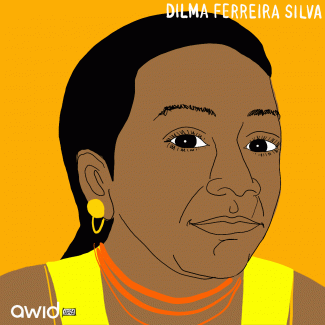
She herself was among the 32,000 people displaced by the Tucuruí, a mega-hydroelectric power plant, built in Brazil during the 1964-1985 military dictatorship.
In 2005 Dilma was invited to join the Movement of Dam-Affected Peoples in Brazil (MAB), and in 2006 she formed the women’s collective, eventually becoming regional coordinator of the movement.
In speaking about her activism, her colleagues commented:
“She stood out very fast because she was always very fearless in the struggle.”
Dilma lived in the rural settlement of Salvador Allende,50 kilometers from Tucuruí, and dedicated her life to better protect communities and the land affected by the construction of mega projects. She was especially concerned with the gendered impacts of such projects and advocated for women’s rights.
At a national MAB meeting in 2011, Dilma spoke to women affected by the dams, saying:
“We are the real Marias, warriors, fighters who are there, facing the challenge of daily struggle”.
In the following years, Dilma organized grassroots MAD groups and worked with the community to form farming cooperatives that created a better distribution of food for the community. They improved the commercialization of fishing, and developed a cistern project for safe drinking water. She was also an advocate for farmers whose lands were being coveted by ‘grileiros’ (land grabbers).
On 22nd March 2019, at the age of 48, Dilma, her husband and their friend were all brutally murdered. The three killings came as part of a wave of violence in the Amazon against the Movimento dos Trabalhadores Sem Terra (translates as ‘landless workers’ movement’), environmental and indigenous activists.
Caroline ha estado de forma periódica en AWID; en fechas anteriores, organizó los foros de 2005 y 2008 en Bangkok y Ciudad del Cabo, y cumplió otras funciones institucionales. Antes de incorporarse a AWID, impartió clases de inglés de pregrado, luego abandonó el ámbito académico para dirigir el Festival Internacional de Cine Asiático de Toronto y trabajar en otros proyectos. En fechas más recientes, se ha desempeñado como Responsable de Operaciones en Spring Strategies. Fuera del plano laboral, Caroline generalmente puede ser hallada a su jardín, en comunión con sus queridas plantas e intentando hacer las paces con los insectos y los roedores que suelen aparecer.
في الثاني من أيلول/ سبتمير 2021، التمّ شمل مجموعة رائعة من الناشطات النسويات والمناديات بالعدالة الاجتماعية ضمن فعاليات مهرجان (AWID Crear | Résister | Transform). لم يقتصر هدف اجتماعهنّ على مشاركة استراتيجيات المقاومة وعمليات الابتكار الخلّاقة المشتركة التي ترمي إلى تغيير العالم. لقد اجتمعت الناشطات ليتبادلن الغزَل الإباحي على «تويتر». قادت نانا سيكياما النشاط.
نانا من مؤسسي «مغامرات من مضاجع النساء الإفريقيات» وهي كاتبة «حيوات النساء الافريقيات الجنسيّة». لقد جمعت عملها مع عمل المنبر النسائيّ الكويري المنادي بالوحدة الإفريقية (AfroFemHub) للبحث في جواب السؤال التالي: ما هي الصياغات النسوية للرسائل النصّية ذات المحتوى الجنسي؟
أعتقد أن هذا سؤال مهمّ للغاية، لأنه يبحث في القضية الأكبر المتعلّقة بالمقاربة النسوية لكيفية تنقّل المرء في عالم الإنترنت. في ظل الرأسمالية، يمكن للخطاب المُنتَج حول الجسد والجنس، أن يكون مجرّدًا من الإنسانية ومُشوّهًا. كما أن مساحات المتعة الجنسية في الفضاء الافتراضي لها طابع آدائي مبتذل. لذا، فإن البحث عن طرق تُمكّننا من استكشاف رغباتنا باستحسان، يمكن أن تولّد مقاومة للسائد من نماذج العرض والاستهلاك. تباعًا، تُستعاد هذه المساحات كمواقع للتشابك الحَقّ، ويتبيّن أنّ الرسائل النصّية ذات المحتوى الجنسي لا بد وأن تكون نسويّة.
بالإضافة إلى ذلك، فإن السماح للخطاب النسوي بتجسيد وجهه المرِح في فضاء الإنترنت، يساعد على مقارعة السردية الذائعة ومفادها أن التشابك في الفلك النسوي غير مرح وقاسٍ في طابعه العام. ولكن كما نعلم، فإن المتعة والمرح هي من صلب سياستنا وجزء متأصّل مما يعنيه أن يكون المرء نسويًا.
باستخدام وسم #SextLikeAFeminist، تقدَّم الناشطون والأكاديميون من حول العالم بـ»تويتات» تحمل نهمًا نسويًا كبيرًا. أورد لكم في هذا النص التويتات العشرة المفضّلة لدي.
يتبيّن من هذه التويتات الفكاهة المقرونة بالإثارة والاهتياج الجنسيّ، التي تتّسم بها المقاربة النسوية لكتابة الرسائل ذات المضامين الجنسية، دون أن تُسقط عن نفسها الالتزام بالمساواة والعدالة.
"Pero, ¿ fue el maestro alguna vez
seducido por el poder?
¿Alguna vez se rompió
un sistema con aceptación ?
¿Cuándo el JEFE te entregará el poder con amor?
¿En Jo'Burg, en Cancún o en la ONU? - Molara Ogundipe
A través de los diferentes continentes y países, la profesora Ogundipe enseñó literatura comparada, escritura, género y filología inglesa, y utilizó la literatura como vehículo para la transformación social y el replanteamiento de las relaciones de género.
Molara Ogundipe, como pensadora, escritora, editora, crítica social, poeta y activista feminista, logró combinar el trabajo teórico con la creatividad y la acción práctica. Se la considera una de las principales voces críticas de los feminismos africanos, los estudios de género y la teoría literaria.
Molara acuñó el concepto de "estiwanismo" a partir de las siglas STIWA (Social Transformations in Africa Including Women) [Transformaciones Sociales en África Incluyendo a las Mujeres], con el fin de reconocer la necesidad de “alejar la definición del feminismo y los feminismos en relación con Euro-América u otro lugar, y declamar lealtades o deslealtades". Con su obra fundamental, "Recreándonos Nosotras Mismas", de 1994, Molara Ogundipe (publicada bajo el nombre de Molara Ogundipe-Leslie) dejó tras de sí un inmenso cuerpo de conocimientos que descolonizó el discurso feminista y "re-centró a las mujeres africanas en sus completas y complejas narrativas... guiadas por una exploración de la liberación económica, política y social de las mujeres africanas y la restauración de la agencia femenina en las diferentes culturas de África".
Comentando los retos a los que se enfrentó como joven académica, dijo:
"Cuando empecé a hablar y escribir sobre el feminismo a finales de los años sesenta y en los setenta, se me veía como una chica buena y admirable que se había extraviado, una mujer cuya cabeza se había arruinado con un exceso de aprendizaje".
Molara Ogundipe se destacó por su liderazgo a la hora de combinar el activismo con el mundo académico; en 1977 fue una de las fundadoras de la Asociación de Mujeres en la Investigación y el Desarrollo, AAWORD (por sus siglas en inglés),. En 1982 fundó Mujeres en Nigeria, WIN (por sus siglas en inglés), con el fin de abogar por un acceso pleno a los "derechos económicos, sociales y políticos" para las mujeres nigerianas. Posteriormente, estableció y dirigió la Fundación Internacional para la Educación y el Monitoreo y pasó muchos años en el consejo editorial del periódico The Guardian.
Luego de haber crecido con el pueblo yoruba, sus tradiciones, cultura e idioma, dijo una vez:
"Creo que la celebración de la vida, de las personas que mueren después de una vida llena de logros, es uno de los aspectos más hermosos de la cultura yoruba".
El nombre de alabanza yoruba 'Oiki' de Molara era Ayike. Molara nació el 27 de diciembre de 1940 y falleció el 18 de junio de 2019 a la edad de 78 años, en Ijebu-Igbo, Estado de Ogun, Nigeria.