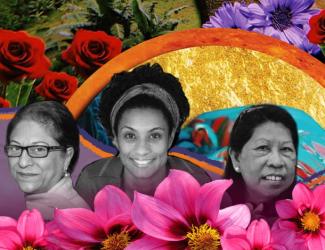
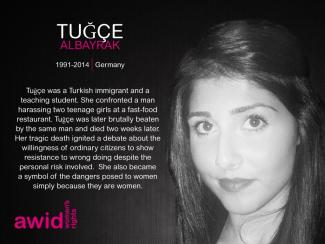
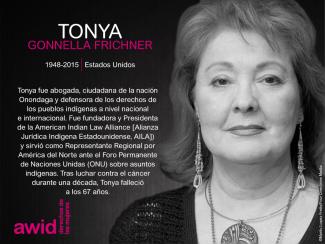
AWID’s Tribute is an art exhibition honouring feminists, women’s rights and social justice activists from around the world who are no longer with us.
In 2020, we are taking a turn
This year’s tribute tells stories and shares narratives about those who co-created feminist realities, have offered visions of alternatives to systems and actors that oppress us, and have proposed new ways of organising, mobilising, fighting, working, living, and learning.
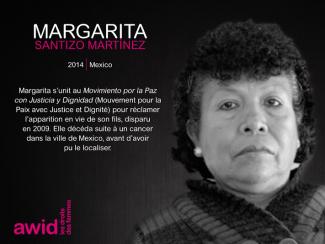
49 new portraits of feminists and Women Human Rights Defenders (WHRDs) are added to the gallery. While many of those we honour have passed away due to old age or illness, too many have been killed as a result of their work and who they are.
This increasing violence (by states, corporations, organized crime, unknown gunmen...) is not only aimed at individual activists but at our joint work and feminist realities.
The stories of activists we honour keep their legacy alive and carry their inspiration forward into our movements’ future work.
The portraits of the 2020 edition are designed by award winning illustrator and animator, Louisa Bertman.
AWID would like to thank the families and organizations who shared their personal stories and contributed to this memorial. We join them in continuing the remarkable work of these activists and WHRDs and forging efforts to ensure justice is achieved in cases that remain in impunity.
“They tried to bury us. They didn’t know we were seeds.” - Mexican Proverb
The Tribute was first launched in 2012
It took shape with a physical exhibit of portraits and biographies of feminists and activists who passed away at AWID’s 12th International Forum, in Turkey. It now lives as an online gallery, updated every year.
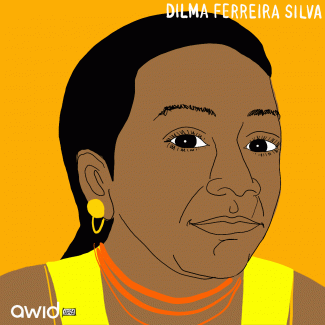
Dilma Ferreira Silva was a leading Amazonian rights activist who fought for decades for the rights of people affected by dams.
She herself was among the 32,000 people displaced by the Tucuruí, a mega-hydroelectric power plant, built in Brazil during the 1964-1985 military dictatorship.
In 2005 Dilma was invited to join the Movement of Dam-Affected Peoples in Brazil (MAB), and in 2006 she formed the women’s collective, eventually becoming regional coordinator of the movement.
In speaking about her activism, her colleagues commented:
“She stood out very fast because she was always very fearless in the struggle.”
Dilma lived in the rural settlement of Salvador Allende,50 kilometers from Tucuruí, and dedicated her life to better protect communities and the land affected by the construction of mega projects. She was especially concerned with the gendered impacts of such projects and advocated for women’s rights.
At a national MAB meeting in 2011, Dilma spoke to women affected by the dams, saying:
“We are the real Marias, warriors, fighters who are there, facing the challenge of daily struggle”.
In the following years, Dilma organized grassroots MAD groups and worked with the community to form farming cooperatives that created a better distribution of food for the community. They improved the commercialization of fishing, and developed a cistern project for safe drinking water. She was also an advocate for farmers whose lands were being coveted by ‘grileiros’ (land grabbers).
On 22nd March 2019, at the age of 48, Dilma, her husband and their friend were all brutally murdered. The three killings came as part of a wave of violence in the Amazon against the Movimento dos Trabalhadores Sem Terra (translates as ‘landless workers’ movement’), environmental and indigenous activists.
A Film Series on Feminist Realities from Africa and the African Diaspora
by Gabrielle Tesfaye
When I created my short animation film, The Water Will Carry Us Home, my mind was plugged into a magical world of fearless resilience and ancestral mermaids who transformed their deepest scars into a new generation of life. Set during the time of the transatlantic slave trade, I was pulled to show this history of African enslavement in a different way than it has ever been told on screen. I wanted to give my ancestors the commemoration they never received. I was motivated to reclaim the history that continues to paint us as helpless victims. Essentially, I wanted to tell the truth. To reclaim and reimagine our history and perspective, means to simultaneously heal our generational traumas that exist today. It is this important work that so many women through the African continent and the African diaspora are doing today, igniting our collective Feminist Realities.
In the making of the film I researched religiously, and in what was written, I saw what was not. There were many times I felt I was hitting a wall trying to find something that was not there, and it was in those voided places that I realized the storytellers of today are filling the voids. I found the most useful stories in contemporary art, film, and African diaspora folklore.
“... a truly unique, raw and representation of feminist power in action.”
The Water Will Carry Us Home carried itself around the world into the hearts of the Diaspora. It also led me here, as the curator of the African and Diaspora film screenings of AWID’s Co-Creating Feminist Realities initiative. Whilst curating this collection of films, I looked for stories that were completely unique, raw and representational of feminist power in action. Consisting of three shorts and one feature, they reveal stories through many communities in Africa and the diaspora, including Ethiopia, Uganda, The Democratic Republic of Congo, South Africa and Kenya. These films reposition African women as what they truly are- self governing and empowered through the unfiltered lens of their work.
“An incredibly beautiful, attentive, finely observed telling of the connection between Africa and its Diaspora formed form the trans Altantic slave trade. The visual universe it creates is just gorgeous… an echo of the fusion of spiritual traditions and non-linear time that speak to how we are still experiencing the moments of the past that formed 'new' worlds of diaspora blackness.”
- Jessica Horn, PanAfrican feminst strategist, writer and co-creator of the temple of her skin
Our short documentary film, Women Hold Up the Sky, created by the WoMin African Alliance, tells the story of women activists in Uganda and the Democractic Republic of Congo who are actively reclaiming their land rights, threatened by mining and other extractives in their homes. The film not only exposes the corruption of extractivism, but finally shares what we have been missing on screen - how grassroots African women are actively organizing, strategizing, and analyzing within their communities to create women-centred and community-driven alternatives. Margaret Mapondera of WoMin explains it beautifully, that they are the “custodians of lands, forests, waters, rivers and territories; the ways in which women hold and transmit the stories / herstories of our past and our futures; the powerful and transformative ways of being that women embody in their relationships to each other, to the environment and in themselves.”
“A refreshing and much-needed piece of cinema highlighting the many ways African women are coming together to create women-led and community-driven alternatives… The fight is on and
women hold the key.”
Pumzi, created by critically acclaimed director Wanuri Kahiu, bridges Africa and science fiction around climate and environmentalism. Pumzi imagines a futuristic world where humankind has been forced to settle on another planet. While Pumzi seems afro-futuristic and new for Africa on the surface, Kahiu reveals the truth that science fiction and fantasy is something that has always existed in African storytelling, but never recognized. Kahiu creates a world where women are truth seekers and heroes who pioneer us into a new world, the opposite of images that position Africans as victims of war and destruction. Instead, Pumzi writes the narrative of African women being their own saviors and problem solvers, who stop at no cost to follow the cryptic visions they channel in their dreams.
“A pioneering African sci-fi film, situating women as scribes of the future and opening up our visions about other worlds, other universes we might occupy as Africans - always an important exercise as we imagine our way out of present crises.”
- Jessica Horn, PanAfrican feminst strategist, writer and co-creator of the temple of her skin
Our feature film of the program, Finding Sally is set in 1970’s Ethiopia during the time of The Red Terror war, documenting the striking history of director Tamara Mariam Dawit’s activist aunt, Sally Dawit. Throughout the film we learn of Sally’s incredible journey as a young and courageous woman activist navigating one of the most violent times of Ethiopian history. Sally’s story not only reveals the gravity of this time, but the reflection of her own personal evolution as a young woman. Dawit was intentional to tell the film through the lens of women, untouched by male voices. Due to so much Ethiopian history being told by men, the making of this powerful story preserved its reality of honoring the feminist perspective. Dawit explains, “Women in revolution and war are often only included as someone's spouse or someone who did cooking or typing work. I wanted to look at the activism around the revolution only through the memories and voices of women.” Finding Sally demonstrates the reclamation of history sought by current filmmakers today. It is an igniting of feminist power and our connected realities throughout time.
“The responsibility falls on us, to remember these women that came before us and their brilliant work so they are not forgotten like the thousands of women already forgotten while fighting the good fight. Sally is such a woman and may she never be forgotten.”
These films have became a part of my own psyche, empowering me to continue building powerful alternatives towards justice from within. They affirm that I am a woman among a world of women, holding up the skies and actively building indestructible Feminist Realities. These films are more than stories of African women - they are globally relatable, inspiring and set the example of Feminist Realities for all of us around the world.
Gabrielle Tesfaye:
Gabrielle Tesfaye is an interdisciplinary artist versed in painting, animation, film, puppetry and interactive installation. Her work is rooted in the African diaspora, Afro-futurism, ancient art practices and cultural storytelling.
Follow us on Social Media to receive news about upcoming events and screenings:
الاستطلاع متواجد في KOBO وهي منصة برمجيات مفتوحة المصدر لجمع وإدارة المعطيات. لتعبئة الاستطلاع، يمكنكم/ن الضغط على هذا الرابط. اتبعوا/ن التعليمات لتكملة الاستطلاع.
Participé en una actividad solo para afiliadxs, y lo que me conmovió en particular fue ver cómo había espacio para que todas compartieran, y que no había ningún juicio al respecto. Toda la sesión fue enérgica y vibrante.- Kirthi Jayakumar, fundadora de The Gender Security Project, India
"Pero, ¿ fue el maestro alguna vez
seducido por el poder?
¿Alguna vez se rompió
un sistema con aceptación ?
¿Cuándo el JEFE te entregará el poder con amor?
¿En Jo'Burg, en Cancún o en la ONU? - Molara Ogundipe
En una entrevista, realizada en la Feria Internacional del Libro de Ghana de 2010, Molara Ogundipe se presentó con estas palabras "...Soy una nigeriana. He vivido, posiblemente, en todo el mundo, excepto en la Unión Soviética y China".
A través de los diferentes continentes y países, la profesora Ogundipe enseñó literatura comparada, escritura, género y filología inglesa, y utilizó la literatura como vehículo para la transformación social y el replanteamiento de las relaciones de género.
Molara Ogundipe, como pensadora, escritora, editora, crítica social, poeta y activista feminista, logró combinar el trabajo teórico con la creatividad y la acción práctica. Se la considera una de las principales voces críticas de los feminismos africanos, los estudios de género y la teoría literaria.
Molara acuñó el concepto de "estiwanismo" a partir de las siglas STIWA (Social Transformations in Africa Including Women) [Transformaciones Sociales en África Incluyendo a las Mujeres], con el fin de reconocer la necesidad de “alejar la definición del feminismo y los feminismos en relación con Euro-América u otro lugar, y declamar lealtades o deslealtades". Con su obra fundamental, "Recreándonos Nosotras Mismas", de 1994, Molara Ogundipe (publicada bajo el nombre de Molara Ogundipe-Leslie) dejó tras de sí un inmenso cuerpo de conocimientos que descolonizó el discurso feminista y "re-centró a las mujeres africanas en sus completas y complejas narrativas... guiadas por una exploración de la liberación económica, política y social de las mujeres africanas y la restauración de la agencia femenina en las diferentes culturas de África".
Comentando los retos a los que se enfrentó como joven académica, dijo:
"Cuando empecé a hablar y escribir sobre el feminismo a finales de los años sesenta y en los setenta, se me veía como una chica buena y admirable que se había extraviado, una mujer cuya cabeza se había arruinado con un exceso de aprendizaje".
Molara Ogundipe se destacó por su liderazgo a la hora de combinar el activismo con el mundo académico; en 1977 fue una de las fundadoras de la Asociación de Mujeres en la Investigación y el Desarrollo, AAWORD (por sus siglas en inglés),. En 1982 fundó Mujeres en Nigeria, WIN (por sus siglas en inglés), con el fin de abogar por un acceso pleno a los "derechos económicos, sociales y políticos" para las mujeres nigerianas. Posteriormente, estableció y dirigió la Fundación Internacional para la Educación y el Monitoreo y pasó muchos años en el consejo editorial del periódico The Guardian.
Luego de haber crecido con el pueblo yoruba, sus tradiciones, cultura e idioma, dijo una vez:
"Creo que la celebración de la vida, de las personas que mueren después de una vida llena de logros, es uno de los aspectos más hermosos de la cultura yoruba".
El nombre de alabanza yoruba 'Oiki' de Molara era Ayike. Molara nació el 27 de diciembre de 1940 y falleció el 18 de junio de 2019 a la edad de 78 años, en Ijebu-Igbo, Estado de Ogun, Nigeria.
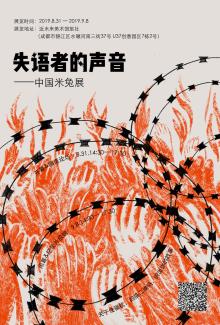
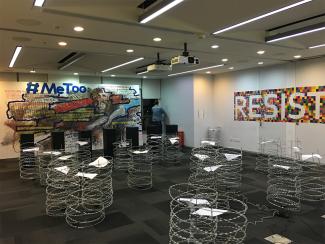
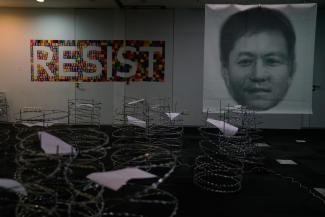
En China, el movimiento #MeToo [«Yo También»] se encendió en enero de 2018, empujado por el ímpetu del movimiento #MeToo de todo el planeta. Fue una respuesta a los problemas culturales y sistémicos relacionados con el género y el poder dentro de China. Las bases del movimiento habían sido establecidas durante décadas, y los muchos años de debate y promoción de la igualdad de género, finalmente, hicieron erupción con tremenda fuerza en toda la sociedad. El movimiento #MeToo fue impulsado fundamentalmente por jóvenes, que incluyen a innumerables mujeres anónimas y sus aliadxs, en busca de oportunidades para hacer realidad el principal «sueño chino»: transformar a China en un país con igualdad de género.
En China, el contexto para el movimiento #MeToo es extremadamente adverso: el Estado de derecho, la justicia y la transparencia de las acciones gubernamentales y la libertad de expresión no pueden darse por descontados, pero estos son precisamente los objetivos por los cuales lucha el movimiento. Ha sido, desde el principio, una lucha intensa, y cada víctima o activista que se visibiliza corre enormes riesgos: desde ser silenciadx o humilladx o de sufrir represalias hasta poner en peligro su seguridad. Todos los éxitos del movimiento #MeToo han sido logrados por quienes son lo suficientemente valientes como para asumir los costos de manifestarse y desafiar la censura.
La exhibición «#MeToo in China» fue inaugurada en 2019 y recorrió cinco ciudades. Su objetivo es dar mayor prominencia a las experiencias personales de lxs víctimas y lxs activistas, para inspirar al público a unirse a la lucha a través del contacto con estas historias. La exposición misma se ha convertido en parte de la lucha #MeToo: ha debido enfrentar desafíos en su itinerario por toda China y, en más de una ocasión, fue amenazada con la clausura.
Snippet FEA Linda Porn Bio (FR)
Linda Porn est une autre héroïne de l'organisation syndicale féministe et de l'activisme des travailleur·euses du sexe au niveau national (en Espagne) et transnational.
Originaire du Mexique, elle vit en Espagne depuis les années 2000. Elle est travailleuse du sexe, militante, mère célibataire et artiste multidisciplinaire.
Puisant dans ces différentes identités, elle utilise la performance, l'art vidéo et le théâtre pour rendre visibles les luttes aux intersections du transféminisme, du travail du sexe, de la migration, du colonialisme et de la maternité. Elle combine l'art et le travail du sexe tout en prenant soin de sa fille en tant que mère célibataire.
Linda appartient également à des groupes de travailleur·euses du sexe qui luttent pour leurs droits, comme le syndicat OTRAS et CATS Murcia. Elle a également cofondé le groupe 'Madrecitas' - qui rend visible et dénonce la violence institutionnelle raciste contre les familles migrantes. Violence à laquelle elle et sa fille ont été soumises en tant que travailleuse du sexe et mère célibataire migrante.
Всего 47 вопросов, из которых 27 являются обязательными*, а остальные 20 – дополнительными. Большинство вопросов – это вопросы с множественным выбором. Мы надеемся, что вы ответите на все вопросы.
Yamile Guerra était une avocate bien connue, leader communautaire et activiste politique dans la région de Santander en Colombie.
Activement impliquée dans la résolution de litiges entre les communautés locales et les promoteurs immobiliers, elle s’est battue contre l’appropriation des terres illégale. Yamile a occupé plusieurs fonctions politiques, dont celle de secrétaire générale du gouvernement de Santander à Bogota, et s’était également présentée comme candidate à la mairie de Bucaramanga. Au cours des dernières années de sa vie, Yamile s’était de plus en plus impliquée dans les causes environnementales, et particulièrement celle de la défense de la biodiversité des zones humides de Santurbán, une région qui approvisionnait près de deux millions de personnes en eau potable, contre les promoteurs du développement économique.
D’après sa famille et ses ami·e·s, Yamile recevait quotidiennement des menaces de mort et avait demandé la protection des autorités.
« Elle était tout à fait consciente de la question [du litige foncier] et avait à plusieurs reprises mentionné qu’elle se sentait en danger. » - Alixon Navarro Muñoz, journaliste et amie de la famille Guerra
Le 20 juillet 2019, Yamile a été tuée par balles par deux hommes à Floridablanca, Santander. Elle venait de clore une discussion avec eux en lien avec le litige foncier. Un suspect a ensuite été arrêté pour son meurtre, lequel a admis avoir été payé pour organiser son assassinat. Selon des rapports, Yamile est la troisième membre de sa famille a avoir été assassinée, en lien avec des litiges fonciers. Son père, Hernando Guerra, avait lui aussi été assassiné plusieurs années auparavant.
L’assassinat de Yamile s’inscrit dans une vague de violences et de meurtres systématiques de centaines d’activistes sociaux et défenseur·e·s des droits humains en Colombie. L’Institut d’études sur le développement et la paix (INDEPAZ) rapporte qu’au moment du décès de Yamile, plus de 700 leaders communautaires et activistes pour les droits humains ont été tué·e·s depuis la signature en août 2016 d’un traité de paix par la Colombie. La plupart furent assassiné·e·s pour s’être opposé·e·s à des trafics de drogue et des opérations minières; y compris les peuples autochtones, les Afro-Colombiens et les défenseures des droits humains étant les plus exposé·e·s.
Moins d’une semaine après le décès de Yamile, des milliers de Colombien·ne·s ont manifesté dans les petites et grandes villes, brandissant des photos en noir et blanc d’activistes tué·e·s, et sur lesquelles était écrit : « Il ne peut y avoir de paix sans leaders » et « Fini les bains de sang ».
Yamile Guerra n’avait que 42 ans au moment de son assassinat.
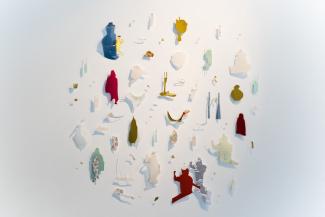
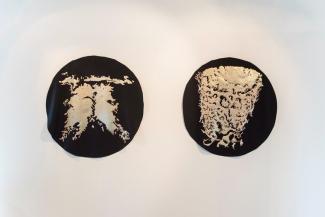
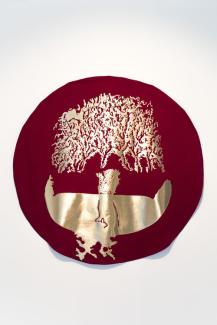
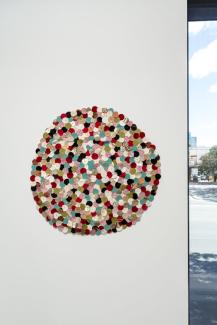
We transcend time and place (Nous transcendons le temps et le lieu), Papier découpé à la main (2017)We will remember who we are and We will persist (Nous nous rappellerons qui nous sommes et nous persisterons), Coton lamé brodé coupé à la main sur tissu de laine et soie (2018We will return home (Nous rentrerons au pays), Lamé brodé à la main sur velours de coton (2018)We will heal in the now (Nous guérirons dans l’instant), Soie coupée à la main, laine, lamé, coton, impression numérique directe satin de soie sur lin (2018)
nous sommes infini·e·s
Une exposition de Nicole Barakat qui incarne sa reconnexion avec la diaspora d'objets provenant de ses terres ancestrales dans l'Asie du Sud-Ouest et l'Afrique du Nord.
Barakat présente une collection d'œuvres textiles en tant que manifestations de sa démarche consistant à travailler avec des objets déplacés, souvent volés, détenus dans les collections de musées occidentaux, notamment le Louvre, le British Museum et le Nicholson Museum.
Pour contourner les gardiens et pénétrer dans les vitrines contenant ces objets ancestraux, Barakat récupère des formes de connaissances précoloniales, non linéaires et réceptives qui sont souvent dévaluées et rejetées par les institutions coloniales et patriarcales. Elle utilise ainsi la cafédomancie, le travail du rêve, l'écoute intuitive et les conversations avec les objets eux-mêmes (source).
À propos de Nicole Barakat
Nicole Barakatest une artiste queer femme de la région d’Asie du Sud-Ouest et d’Afrique du Nord, née et vivant à Gadigal (dite Sydney, en Australie). Elle emploie des processus intuitifs et d’écoute profonde visant à transformer les conditions de la vie quotidienne. Son travail fait appel à des approches non conventionnelles de la création artistique, créant des œuvres complexes qui incarnent l'amour et la patience et caractérisent les pratiques textiles traditionnelles.
Ses œuvres comprennent des dessins en tissu et en papier cousus et découpés à la main, des formes sculpturales réalisées avec ses propres cheveux, du tissu et des matériaux végétaux, ainsi que des œuvres en direct où elle utilise sa voix comme matériau.
La pratique créative de Nicole s'enracine dans la re-mémoration et le re-couvrement de son savoir ancestral, y compris la cafédomancie et, plus récemment, le travail avec des plantes et des essences de fleurs pour le soin et la guérison de la communauté.
Snippet FEA Principles of work Education and Learning (EN)
EDUCATION AND CONTINUOUS LEARNING
É preciso responder a todas as perguntas de uma só vez ou posso responder quando quiser?
Se quiser guardar as suas respostas e voltar ao inquérito mais tarde, pode fazê-lo sempre que precisar.