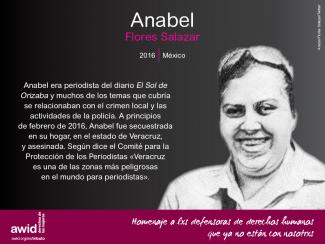
Anabel Flores Salazar
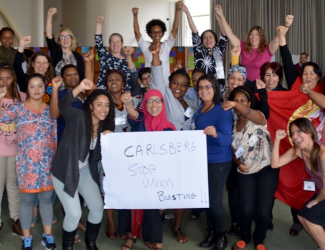
Women human rights defenders (WHRDs) worldwide defend their lands, livelihoods and communities from extractive industries and corporate power. They stand against powerful economic and political interests driving land theft, displacement of communities, loss of livelihoods, and environmental degradation.
Extractivism is an economic and political model of development that commodifies nature and prioritizes profit over human rights and the environment. Rooted in colonial history, it reinforces social and economic inequalities locally and globally. Often, Black, rural and Indigenous women are the most affected by extractivism, and are largely excluded from decision-making. Defying these patriarchal and neo-colonial forces, women rise in defense of rights, lands, people and nature.
WHRDs confronting extractive industries experience a range of risks, threats and violations, including criminalization, stigmatization, violence and intimidation. Their stories reveal a strong aspect of gendered and sexualized violence. Perpetrators include state and local authorities, corporations, police, military, paramilitary and private security forces, and at times their own communities.
AWID and the Women Human Rights Defenders International Coalition (WHRD-IC) are pleased to announce “Women Human Rights Defenders Confronting Extractivism and Corporate Power”; a cross-regional research project documenting the lived experiences of WHRDs from Asia, Africa and Latin America.
"Women Human Rights Defenders confronting extractive industries: an overview of critical risks and Human Rights obligations" is a policy report with a gender perspective. It analyses forms of violations and types of perpetrators, quotes relevant human rights obligations and includes policy recommendations to states, corporations, civil society and donors.
"Weaving resistance through action: Strategies of Women Human Rights Defenders confronting extractive industries" is a practical guide outlining creative and deliberate forms of action, successful tactics and inspiring stories of resistance.
The video “Defending people and planet: Women confronting extractive industries” puts courageous WHRDs from Africa, Asia, and Latin America in the spotlight. They share their struggles for land and life, and speak to the risks and challenges they face in their activism.
Challenging corporate power: Struggles for women’s rights, economic and gender justice is a research paper outlining the impacts of corporate power and offering insights into strategies of resistance.
AWID acknowledges with gratitude the invaluable input of every Woman Human Rights Defender who participated in this project. This project was made possible thanks to your willingness to generously and openly share your experiences and learnings. Your courage, creativity and resilience is an inspiration for us all. Thank you!

محاضرة: في المحاضرة النقاشية، يتم استكشاف قضية أو تحد معين من وجهات نظر مختلفة، أو مشاركة علم أو تجربة، متبوعة بأسئلة الجمهور إذا سمح الوقت بذلك.
برنامج حواري: إجراء محادثة أكثر عفوية بأسلوب البرامج الحوارية. يمكن أن تكون البرامج الحوارية عبارة عن محادثة بين عدة أشخاص، ويتم تيسيرها بواسطة ميسّر/ة برنامج حواري. يمكن لأسئلة الجمهور أن تحدد اتجاه المحادثة.
نقاش: يمكن أن يتخذ النقاش شكل المقاهي العالمية، وأحواض السمك، وغيرها من المنهجيات التي تسهل المشاركة النشطة للمشاركين/ات في المحادثات. يعتبر شكل التقديم هذا تشاركي للغاية.
ورشة عمل: جلسات تفاعلية تدعو المشاركين/ات لبناء مهارات جديدة في جميع مجالات الحياة والنضال.
جلسة إستراتيجية: دعوة للتفكير في قضية أو استراتيجية بعمق مع الآخرين/ الأخريات. مساحة للتعلم من بعضنا البعض: ما الذي ينجح، وما الذي لا ينجح، وكيف يمكننا تطوير استراتيجيات جديدة وجماعية لخلق العوالم التي نحلم بها.
دائرة المشاركة (المعروفة أيضًا باسم "الطيور المتشابهة"): مثالية للمجموعات الصغيرة، في بيئة أكثر حميمية، للاستماع إلى بعضهم/ن البعض، وإثارة النقاش ومعالجة مواضيع محددة وحساسة ومعقدة بعناية.
الفنون – ورشة عمل تشاركية: أنشطة تشاركية تتضمن الفنون والتعبير الإبداعي. سواء من خلال الفن البصري أو المسرح أو الأفلام أو الجداريات أو الرقص أو الموسيقى أو الحرف الجماعية أو صناعة الفن، وما إلى ذلك، فإننا نرحب بجميع الأفكار التي تحتفي بالفن النسوي والإبداع كشكل من أشكال التغيير الاجتماعي والشفاء والتعبير والتحول.
الفنون - العروض والتركيبات والمعارض: نرحب بالمساهمات التي تقدم للمشاركين/ات في المنتدى تجارب ووجهات نظر جديدة وتوسع آفاقنا وتتحدانا وتلهمنا للتفكير والشعور والتنظيم بطرق جديدة.
الشفاء: أنشطة متنوعة مصممة خصيصًا للمجموعات والأفراد، بدءًا من تعلم تقنيات الاسترخاء إلى مناقشة الوقاية من الإحتراق النفسي، ومن ممارسات الرعاية الواعية للصدمات لجسمنا وعقولنا وأرواحنا إلى معالجة الخلافات داخل حركاتنا.

Lindiwe Rasekoala es una instructora de vida que se especializa en la intimidad y en orientación sobre el bienestar de las relaciones. Es una entusiasta de la salud sexual y contribuye con trabajos en línea. Por su propia experiencia y métodos no convencionales de investigación, cree que puede superar la brecha educativa y la falta de acceso a la información en torno al bienestar sexual. Colabora con varios programas de radio y televisión, y ha concluido una capacitación en orientación con Certified Coaches Alliance. La misión de Lindiwe es derribar las barreras que impiden el diálogo sobre el bienestar sexual y como medio de empoderamiento para sus clientes, de tal modo que puedan alcanzar una mayor autocomprensión y experimentar una vida y relaciones más saludables y holísticas.
These transgender women were murdered because of their activism and their gender identity. There are insufficient laws recognizing trans* rights, and even where these laws exist, very little is being done to safeguard the rights of trans* people. Please join AWID in honoring these defenders, their activism and legacy by sharing the memes below with your colleagues, networks and friends and by using the hashtags #WHRDTribute and #16Days.
Please click on each image below to see a larger version and download as a file


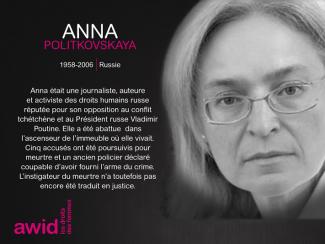
لينديوي راسيكوالا مدربة حياتية، متخصصة في التدريب على العلاقات الحميمة. إنها متخصصة بالصحة الجنسية ولديها مساهمات في هذا الموضوع عبر الإنترنت. من خلال تجاربها الخاصة وأساليب البحث غير التقليدية التي تنتهجها، تعتقد لينديوي أنها تستطيع سد الفجوة التعليمية، فيما خص الصحة الجنسية وإشكالية الوصول إلى المعلومات حول الموضوع. لها العديد من المساهمات في البرامج الإذاعية والتلفزيونية، وقد أكملت تعليمها كمدرب مع تحالف المدربين المعتمدين CCA. تتمثل مهمة لينديوي في كسر الحواجز التي تحول دون قيام المحادثات حول الصحة الجنسية، وتمكين زملائها من تحقيق فهم أكبر لأنفسهم، حتى يتمكنوا من تجربة نمط حياة وعلاقات أكثر صحية وتكامليّة.
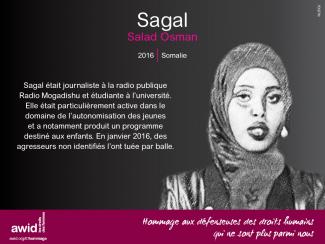
This section highlights key resources recommended by AWID so you can conduct your own WITM research.
In this section
Online tools
Once you gather these resources, you can estimate the costs for your research using our “Ready to Go? Worksheet”

The Ready to Go? Worksheet helps you estimate resources, staff and budget needed for your research


Mariam Mekiwi is a filmmaker and photographer from Alexandria and living and working in Berlin.
Related Content
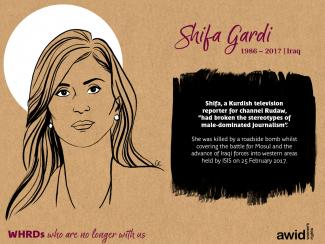
Al Jazeera: Shifa Gardi: Tributes paid to reporter killed in Mosul
BBC News: Mosul Battle: Kurdish reporter Shifa Gardi killed in Iraq

Con el propósito de cumplir su misión, AWID trabaja a través de programas multianuales interconectados.
Cada programa comprende diversas estrategias que abarcan desde la generación y difusión de conocimientos, investigación aplicada, incidencia política y formación de alianzas, hasta convocatorias a diálogos estratégicos.
En nuestro Informe Anual 2011 encontrarán una síntesis de los principales logros alcanzados en cada una de los programas de AWID durante el año.
Interviews produce in-depth information that you cannot easily obtain from surveys. While surveys focuses mainly on quantifiable data and closed questions, interviews allow for expert opinions from activists and donors, and open-ended questions which can provide context to survey data results.
In this section
- General tips
1. Before conducting your interviews
2. During the interviews- Specialized interviews
1. Donor interviews
2. Women’s rights organizations and activists interviews- Preliminary findings
Send the interviewees a concept note with your objectives for the interview and for your overall research, as well as a list of questions.
This allows them to prepare answers for more complicated questions and look up information that they may not have immediately on hand.
Do not base your questions on assumptions about your interviewees’ knowledge.
Instead, first clarify what they know – this will reveal information as well.
- DON’T: “Given the current funding trends in Switzerland, do you know of any opportunities for collaboration? This question assumes that the interviewee knows current funding trends and that their understanding of funding trends matches yours.
- DO: First ask “What is your understanding of current funding trends in Switzerland?”, followed by “Do you know of any opportunities for collaboration?” This will reveal what their understanding is, giving you even more information than the first question.
Interviews with donors will allow you to build deeper relationships with them, which will be useful when you conduct post-research advocacy. They will also provide you with deeper insight into funders’ decision-making processes.
Suggested topics of focus for donor interviews:
Interviews with women’s rights organizations and activists will provide you with insight into their on-the-ground realities. Again, these interviews will allow you to build deeper relationships that can be incorporated into your advocacy, particularly to encourage collaboration between donors and activists.
Suggested topics of focus for women’s rights organizations and activist interviews:
Through the course of your WITM research, we recommend analyzing your preliminary findings. Presenting your preliminary findings opens up opportunities to conduct more interviews and get feedback on your research process and initial results. This feedback can be incorporated into your final research.
AWID conducts “WITM convenings” to share preliminary results of survey data and interviews. These gatherings allow participants (activists, women’s rights organizations, and donors) to debate and discuss the results, clarifying the context, creating more ownership amongst members of the movement, and providing more input for final research.
For example, the Resource Mobilization Hub for Indigenous Women’s Rights at the World Summit on Indigenous Philanthropy was used as a space to debut preliminary results.
4. Collect and analyze your data

• 1.5 - 3 months
• 1 or more research person(s)
• List of donors and women’s rights organizations and activists to interview
• Prepared interview questions
• Concept Note (You can use the research framing you created in the “Frame your research” section)
• AWID Sample Interview Questions: Donors
• AWID Sample Interview Questions: Activists & Women’s Rights Organizations
4. Collect and analyze your data
You can expect all the standard materials for workshops and presentations: flip charts, markers, sticky notes, in addition to projectors and audio-visual equipment. Any additional materials are the responsibility of the activity organizers. AWID’s logistics team will be available to answer questions and advise.
Contenido relacionado
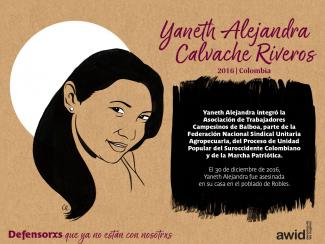
C.R.I.C Consejo Regional Indígena del Cauca: Cauca: Denuncian Nuevo Homicidio de una Defensora de Derechos Humanos

Nous avons redoublé d’efforts pour préparer le 13e Forum de l’AWID ; nous avons consacré une grande partie de notre énergie au Programme de développement pour l’après-2015 et aux processus des Nations Unies relatifs au financement du développement. Nous avons poursuivi le travail de fond que nous menons dans nos domaines de prédilection.
En réaction, nous avons choisi de sortir de nos cloisonnements.
De plus en plus, et dans le monde entier, les mouvements de défense des droits des femmes s’allient avec d’autres mouvements pour exprimer la nature systémique et intersectionnelle des problèmes précédemment évoqués et d’autres problématiques.
