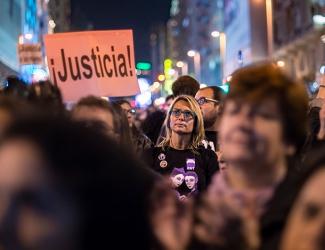
Adolfo Lujan | Flickr (CC BY-NC-ND 2.0)
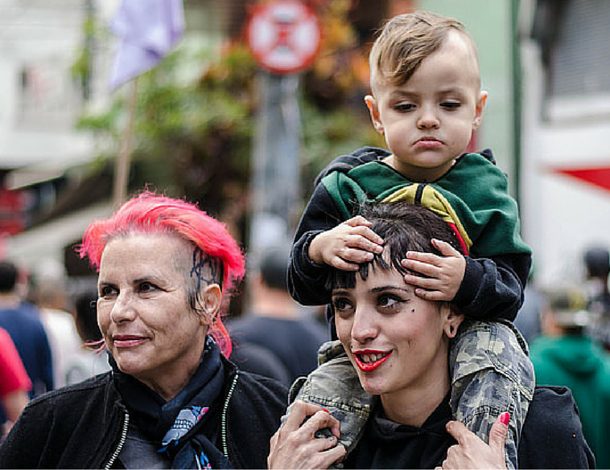
Mass demonstration in Madrid on International Women's Day
Multitudinaria manifestación en Madrid en el día internacional de la mujer

Priority Areas

Supporting feminist, women’s rights and gender justice movements to thrive, to be a driving force in challenging systems of oppression, and to co-create feminist realities.

Advancing Universal Rights and Justice

Uprooting Fascisms and Fundamentalisms

Across the globe, feminist, women’s rights and gender justice defenders are challenging the agendas of fascist and fundamentalist actors. These oppressive forces target women, persons who are non-conforming in their gender identity, expression and/or sexual orientation, and other oppressed communities.


Discriminatory ideologies are undermining and co-opting our human rights systems and standards,  with the aim of making rights the preserve of only certain groups. In the face of this, the Advancing Universal Rights and Justice (AURJ) initiative promotes the universality of rights - the foundational principle that human rights belong to everyone, no matter who they are, without exception.

We create space for feminist, women’s rights and gender justice movements and allies to recognize, strategize and take collective action to counter the influence and impact of anti-rights actors. We also seek to advance women’s rights and feminist frameworks, norms and proposals, and to protect and promote the universality of rights.


Our actions

Through this initiative, we:

  • Build knowledge: We support feminist, women’s rights and gender justice movements by disseminating and popularizing knowledge and key messages about anti-rights actors, their strategies, and impact in the international human rights systems through AWID’s leadership role in the collaborative platform, the Observatory on the Universality of Rights (OURs)*.
  • Advance feminist agendas: We ally ourselves with partners in international human rights spaces including, the Human Rights Council, the Commission on Population and Development, the Commission on the Status of Women and the UN General Assembly.
  • Create and amplify alternatives: We engage with our members to ensure that international commitments, resolutions and norms reflect and are fed back into organizing in other spaces locally, nationally and regionally.
  • Mobilize solidarity action: We take action alongside women human rights defenders (WHRDs) including trans and intersex defenders and young feminists, working to challenge fundamentalisms and fascisms and call attention to situations of risk.  


Related Content

Snippet - COP30 - Feminist Demands for COP30 Col 1

What We Reject:

  • Market-based false solutions
  • Ecosystem service trading
  • Green neoliberal economies mining
  • Geo-engineering
  • Fossil fuels
  • Military spending over climate funds
  • Climate finance as loans

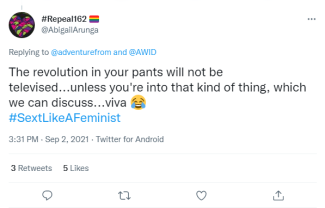
#4 - Sexting like a feminist Tweets Snippet AR

ان كنت نسوية عن حق، فإنك سترفضين التحقير الموجّه ضد الممارسات الجنسية الغرائبيّة

Image of a tweet. Text says: The revolution in your pants will not be televised... unless you're into that kind of thing. Which we can discuss... viva.

تَلفَزَتُنا للثورة تحت حزامك مشروطة بطبيعة رغباتك

Protection of the Family

The Issue

Over the past few years, a troubling new trend at the international human rights level is being observed, where discourses on ‘protecting the family’ are being employed to defend violations committed against family members, to bolster and justify impunity, and to restrict equal rights within and to family life.

The campaign to "Protect the Family" is driven by ultra-conservative efforts to impose "traditional" and patriarchal interpretations of the family, and to move rights out of the hands of family members and into the institution of ‘the family’.

“Protection of the Family” efforts stem from:

  • rising traditionalism,
  • rising cultural, social and religious conservatism and
  • sentiment hostile to women’s human rights, sexual rights, child rights and the rights of persons with non-normative gender identities and sexual orientations.

Since 2014, a group of states have been operating as a bloc in human rights spaces under the name “Group of Friends of the Family”, and resolutions on “Protection of the Family” have been successfully passed every year since 2014.

This agenda has spread beyond the Human Rights Council. We have seen regressive language on “the family” being introduced at the Commission on the Status of Women, and attempts made to introduce it in negotiations on the Sustainable Development Goals.


Our Approach

AWID works with partners and allies to jointly resist “Protection of the Family” and other regressive agendas, and to uphold the universality of human rights.

In response to the increased influence of regressive actors in human rights spaces, AWID joined allies to form the Observatory on the Universality of Rights (OURs).  OURs is a collaborative project that monitors, analyzes, and shares information on anti-rights initiatives like  “Protection of the Family”.

Rights at Risk, the first OURs report, charts a map of the actors making up the global anti-rights lobby, identifies their key discourses and strategies, and the effect they are having on our human rights.   

The report outlines “Protection of the Family” as an agenda that has fostered collaboration across a broad range of regressive actors at the UN.  It describes it as: “a strategic framework that houses “multiple patriarchal and anti-rights positions, where the framework, in turn, aims to justify and institutionalize these positions.”


Related Content

Género y discapacidad: la lucha contra la discriminación en Senegal

Género y discapacidad: la lucha contra la discriminación en Senegal

La organización Vie Féminine et Handicap [vida femenina y discapacidad] se afilió a AWID en el año 2008. La Presidenta de la organización, Ndoye Kane, afirma que esto se hizo  « con el fin de defender mejor nuestras ideas, mejorar la concientización  sobre la discriminación experimentada por las mujeres que viven con discapacidad en África y para dar mayor visibilidad a nuestro trabajo». 


Tener en cuenta las necesidades específicas de las mujeres que viven con discapacidad
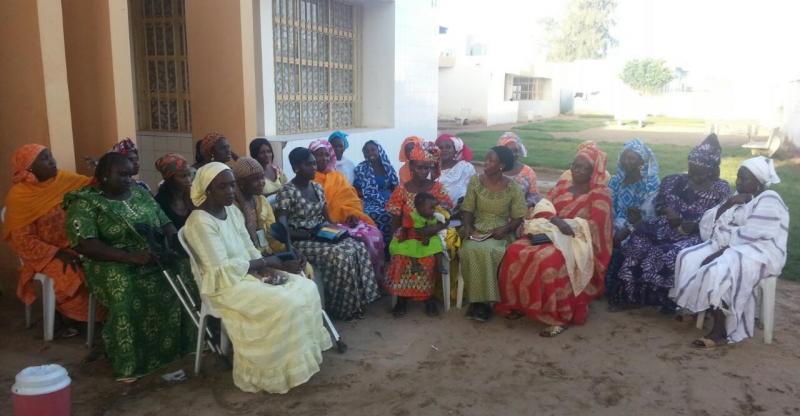
Vie Féminine et Handicap comenzó a operar en 2008 y su misión es luchar contra la pobreza que sufren las mujeres que viven con discapacidad en Senegal y en todo el mundo –aunque   especialmente en el continente africano. En su visión, la discapacidad dejar de ser una barrera para la dignidad o el bienestar de las mujeres. Los principales objetivos de la organización son la lucha contra la pobreza, las infecciones de transmisión sexual y el sida entre las mujeres que viven con diversidad funcional, fortaleciendo su acceso a las nuevas tecnologías de la información.

Vie Féminine et Handicap se creó para abordar cuestiones relevantes a las  mujeres con diversidad funcional — desde una perspectiva que toma en cuenta sus necesidades específicas como mujeres y personas que viven con una discapacidad —;   para garantizar que su situación económica evoluciona de manera positiva;  y para mejorar la sensibilidad social a temas relacionados con la discapacidad, eliminando los prejuicios negativos.

La organización cuenta con 15 integrantes y trabaja, principalmente,  en los departamentos de Pikine y Guédiawaye de la región de Dakar. Su tarea incluye crear conciencia y capacitar a mujeres que viven con diversidad funcional;  y también hacer incidencia con tomadores de decisión por los derechos humanos de las mujeres que viven con discapacidad, su empoderamiento económico y su salud sexual y reproductiva. «Creamos conciencia sobre el tema de la diversidad funcional en las comunidades, invitando a las autoridades, a la juventud y a las personas sin discapacidades, porque en Senegal y en el contexto africano hay, por lo general, muchos prejuicios negativos en torno a las capacidades diferentes. También participamos en conferencias regionales e internacionales para hablar de la situación de las mujeres discapacitadas en África y en el mundo; y para alinear mejor nuestras estrategias», subraya Kane.

«Sin solidaridad, sin una comprensión de que la lucha que nosotras lideramos no es para una sola organización de personas discapacitadas, sino para todas, nunca lograremos ningún resultado. Cada organización de personas con diversidad funcional debe comprender que la lucha que estamos librando es más importante que la competencia y que debemos avanzar juntas para seguir obteniendo resultados duraderos.», explicó Ndoya Kane,  en el 2010 en un informe de AWID.

Recursos combinados y el financiamiento autónomo de la membresía
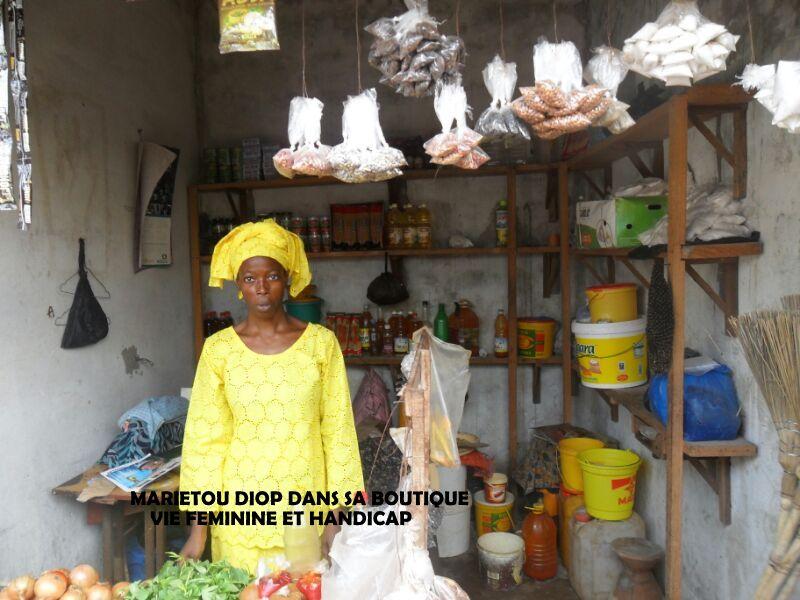
En febrero de 2010, la organización creó un fondo de autofinanciamiento,  que combina los aportes de su membresía para que cada integrante financie pequeños proyectos personales y para iniciar actividades de generación de ingresos, particularmente bajo la forma de pequeños negocios. La idea de crear este fondo surgió de la propia membresía –un  grupo vulnerable con recursos económicos limitados y para  el que resulta casi imposible acceder al crédito.

Un ejemplo de este trabajo es la historia de Marétou Dio, quien vive en Guédiawaye: el fondo le permitió instalar un puesto en el mercado de su comunidad y vender productos alimenticios. «Ahora hay mujeres que se están sumando a nuestro fondo autofinanciado para obtener crédito y costear sus actividades», indica Ndoya Kane.

«Las conversaciones grupales son todavía más importantes porque  abren la oportunidad de reunirnos con otras mujeres que viven con discapacidad y  generar relaciones de confianza para hablar cómodamente sobre los problemas que nosotras enfrentamos. Decidimos colectivamente cuáles son los desafíos que afrontamos e intentamos traer especialistas para abordarlos», explica Kane.
Source
AWID

Vie Féminine et Handicap : lutter contre les discriminations au Sénégal

Vie Féminine et Handicap : lutter contre les discriminations au Sénégal

L’association Vie Féminine et Handicap est devenue membre de l’AWID en 2008 « pour mieux défendre nos idées, mieux sensibiliser sur les discriminations dont les femmes en situation de handicap sont victimes en Afrique et offrir une meilleure visibilité de nos actions », confie la Présidente de l’association, Ndoya Kane. 


Prendre en compte les besoins spécifiques des femmes en situation de handicap 

Créée en 2008, Vie Féminine et Handicap se donne pour mission de lutter contre la pauvreté des femmes en situation de handicap au Sénégal et de façon plus globale sur tout le continent africain. Dans le cadre d’une vision où le handicap ne devrait pas constituer un frein à la dignité et au bien-être des femmes, l’association se donne pour objectifs principaux de lutter contre la pauvreté, les Infections Sexuellement Transmissibles et le Sida chez les femmes en situation de handicap, tout en renforçant leur accès aux nouvelles technologies de l’information. 

Vie Féminine et Handicap a été créée pour que les problématiques des femmes handicapées soient gérées à partir d’une perspective qui prenne en compte leurs besoins spécifiques, liés à la fois à leurs statuts de femme et de personne handicapée, et pour que leur situation économique évolue de façon positive et que la société soit mieux sensibilisée aux questions du handicap sans préjugés négatifs. 
Constituée d’une cinquantaine de membres et agissant principalement sur les départements de Pikine et de Guédiawaye dans la région de Dakar, Vie Féminine et Handicap entreprend des activités de sensibilisation et de formation des femmes en situation de handicap ainsi que de plaidoyer envers les autorités, qui portent à la fois sur la question de l’exercice des droits humains des femmes handicapées, leur pouvoir économique et leur santé sexuelle et reproductive.  « Nous organisons des activités de sensibilisation sur le handicap dans les quartiers en y invitant les autorités communales, les jeunes et les personnes « valides » car le handicap est entouré de beaucoup de préjugés négatifs dans la culture sénégalaise et africaine en général. Nous participons aussi à des conférences aux niveaux africain et international pour débattre de la situation des femmes handicapées en Afrique et dans le monde pour une meilleure harmonisation de nos stratégies », souligne Ndoya Kane.

« Sans faire preuve de solidarité, sans comprendre que notre combat n’est pas mené pour défendre les intérêts d’une seule organisation de personnes handicapées, mais de tou-te-s, nous n’obtiendrons jamais de résultats. Toutes les organisations de personnes handicapées doivent comprendre que le combat que nous menons est plus important que les rivalités internes et que nous devons avancer ensemble pour réussir à obtenir des résultats durables », expliquait Ndoya Kane en 2010 dans un rapport de l'AWID.

Mutualisation des ressources et autofinancement des membres

L’association a mis en place depuis février 2010 une caisse d’autofinancement (CAF), qui consiste à mettre en commun les cotisations des membres pour permettre à chacune de disposer de financements de petits projets personnels et d’initier des activités génératrices de revenus pour ses membres, axées notamment autour du petit commerce. L’idée de créer cette CAF est née de la volonté des membres elles-mêmes, qui constituent un groupe très précaire disposant de faibles ressources économiques et dont l’accès aux crédits formels s’avère par conséquent impossible.

La CAF a par exemple permis à Marétou Diop, une habitante de Guédiawaye, d’ouvrir une boutique dans le marché de son quartier pour y vendre des denrées alimentaires. « Maintenant, les autres femmes viennent adhérer à notre Caisse d’Autofinancement pour trouver du crédit et financer leurs activités », souligne Ndoya Kane. 

« Les discussions de groupe sont d’autant plus importantes qu’elles permettent de nous retrouver entre femmes handicapées et renforcent la confiance chez certaines pour parler de leur condition de femme en toute aisance. Nous choisissons ensemble quel problème existe et essayons d’avoir recours à des spécialistes pour nous entretenir sur la question », raconte Ndoya Kane.

Source
AWID

Feminine Life and Disability: Fighting against the discrimination in Senegal

Feminine Life and Disability: Fighting against the discrimination in Senegal

The organization Vie Féminine et Handicap (Feminine Life and Disability) became an AWID member in 2008 “to better defend our ideas, to better promote awareness of the discrimination faced by women living with disability in Africa, and to increase visibility of our work,” says President of the organization, Ndoya Kane. 


Considering the specific needs of women living with disability

Launched in 2008, the mission of Vie Féminine et Handicap is to fight against poverty among women living with disability in Senegal and globally, but especially across the African continent. With a vision where disability is no longer a barrier to a woman’s dignity or well-being, the main objectives of the organization are to combat poverty, sexually transmitted infections, and AIDS among women living with disability, while strengthening their access to new information technologies.    

Vie Féminine et Handicap was created to address the issues of disabled women from a perspective that considers their specific needs, related to both their status as a woman and as a person living with a disability – and to ensure that their economic situation evolves in a positive way and to better sensitize society to disability issues without the negative prejudice. 

Comprised of some fifteen members and working mainly across the Pikine and Guédiawaye departments in the Dakar region, the work of Vie Féminine et Handicap includes awareness raising and training for women living with disability, as well as advocacy with decision-makers around the human rights of women living with disability, their economic empowerment, and their sexual and reproductive health. “We do awareness raising on the issue of disability in neighbourhoods by inviting community authorities, youth and ‘able-bodied’ people, because disability is surrounded by a lot of negative prejudice in the Senegalese and African context in general. We also participate in conferences at the African and International level to discuss the situation of disabled women in Africa and around the world to better align our strategies,” highlights Kane. 

 “Without solidarity, without an understanding that the fight that we lead is not done in the interest of a sole disabled people’s organization, but in the interest of all, we will never achieve any results. Each disabled people’s organization to understand that the fight that we lead outweighs the competition and that we have to go forward together to succeed in getting long lasting results,” explained Ndoya Kane in 2010, in a repport produced by AWID

Pooling resources and the self-financing of members

Since February 2010, the organization has established a self-financing fund, which consists of pooling member contributions to allow each one to finance small personal projects and to initiate income-generating activities for its members, mainly focused on small business. The idea to create the fund originated from our members themselves, a vulnerable group with limited economic resources and for which access to credit is nearly impossible.

The Fund for example allowed Marétou Diop, a resident of Guédiawaye, to open a shop in her neighbourhood market and sell foodstuffs. “Now the other women are joining our self-financing fund to receive credit and finance their activities,” highlights Ndoya Kane.  

“Group discussions are even more important as they give us the opportunity to meet among women living with disability and build confidence in some to comfortably talk about the issues they face as women. Together we decide which challenges exist and try to engage specialists in addressing the issue,” says Kane.    

Source
AWID

Add your own propositions

Please take a look at the existing propositions for inspiration before submitting your own idea. Someone might already be thinking along the same lines! Send your proposition to contribute@awid.org.

We will review and include new propositions on this webpage as they come.

Snippet Festival Artwork_fest (EN)

Festival Art!

Featuring artwork by Upasana Agarwal, Ika Vantiani, & Naadira Patel.

Click on the images to enlarge

By artist Upasana Agarwal

WebsiteInstagram

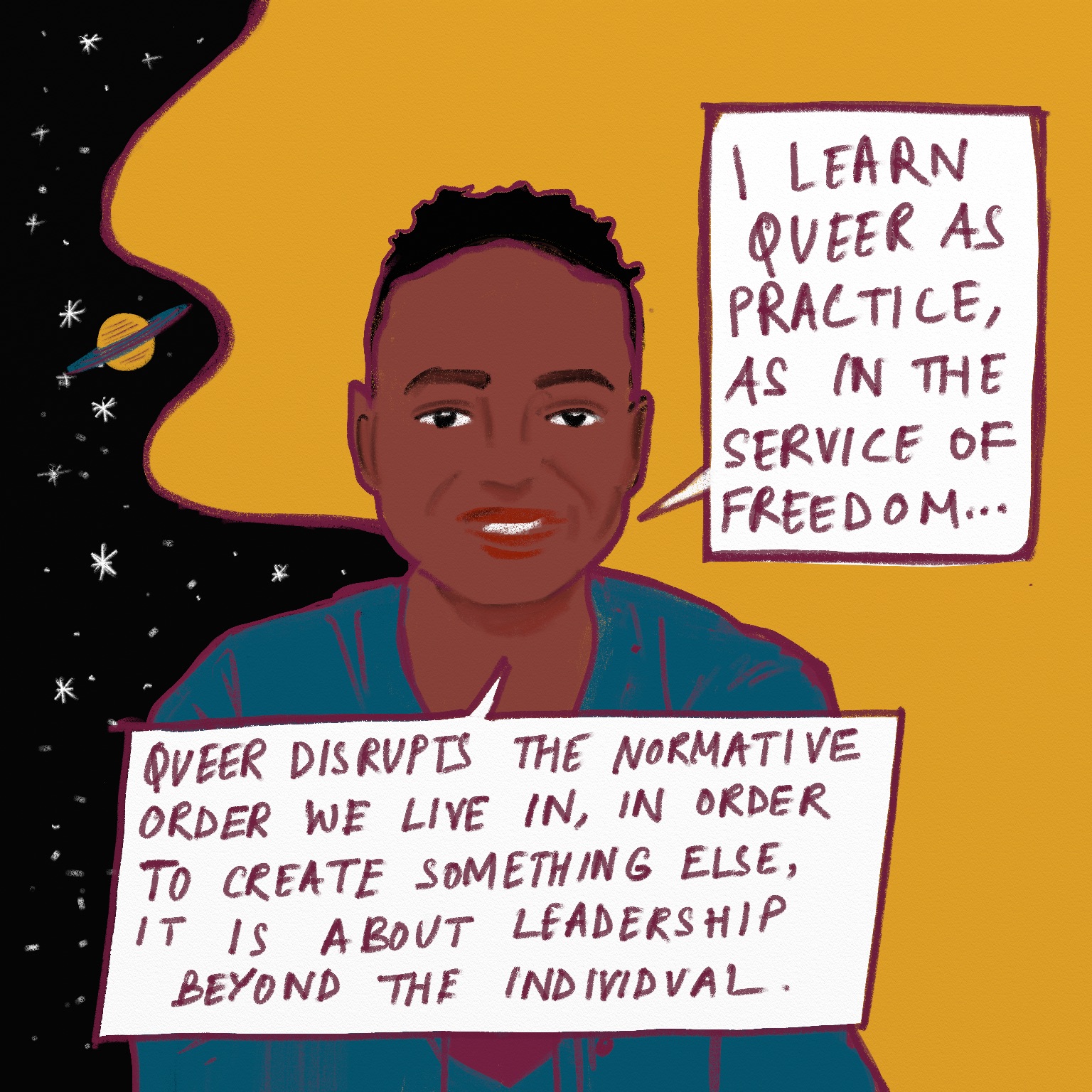
Illustrated portrait of Anima Adjepong saying I learn queer as practice, as in the service of freedom… Queer disrupts the normative order we live in, in order to create something else, it is about leadership beyond the individual
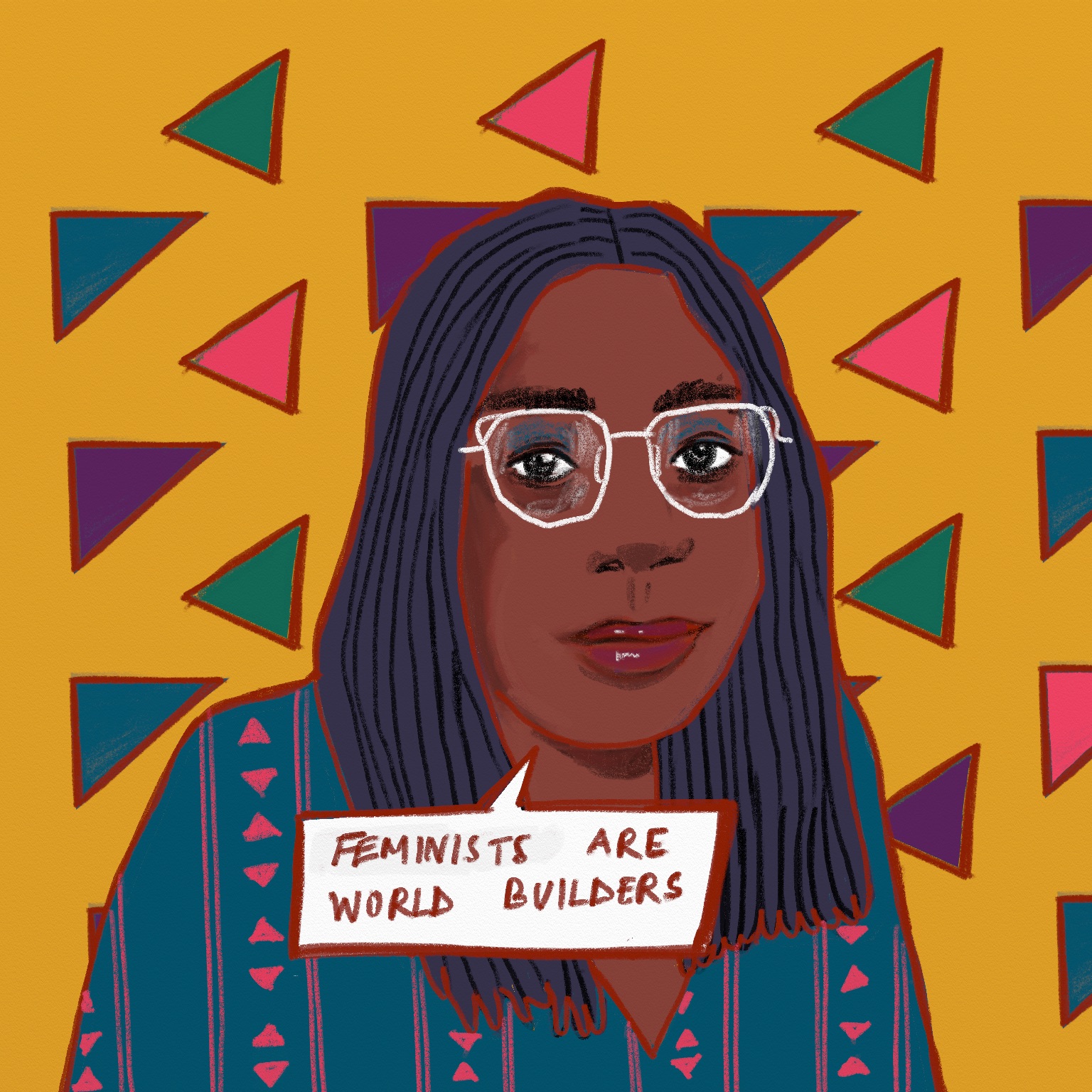
Illustrated portrait of Anwulika Okonjo that says: Feminists are World Builders
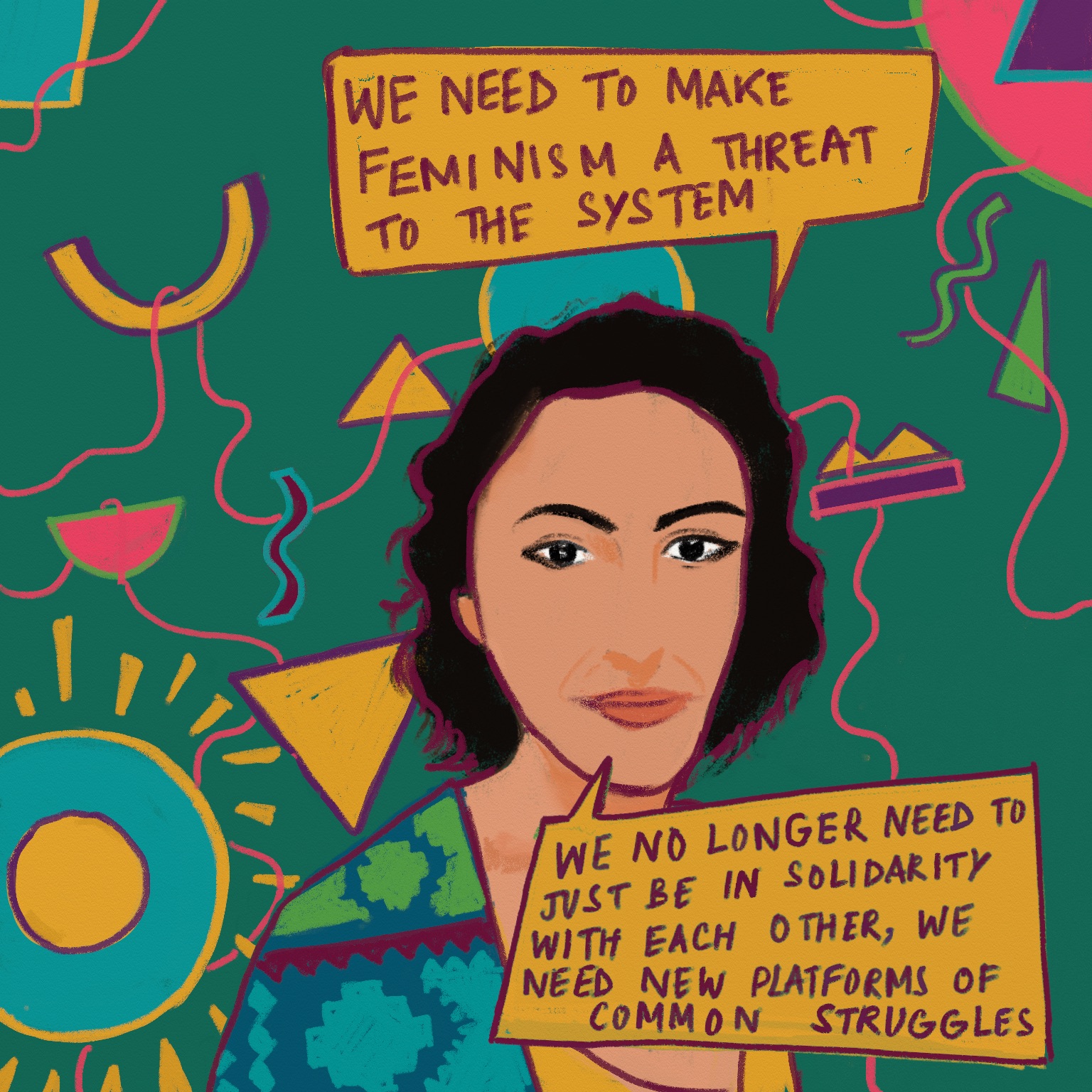
Portrait of Dilar Dirik saying: “We need to make sure that feminism is a threat to the system”  "We no longer need to just be in solidarity with each other, we need new platforms of common struggles"
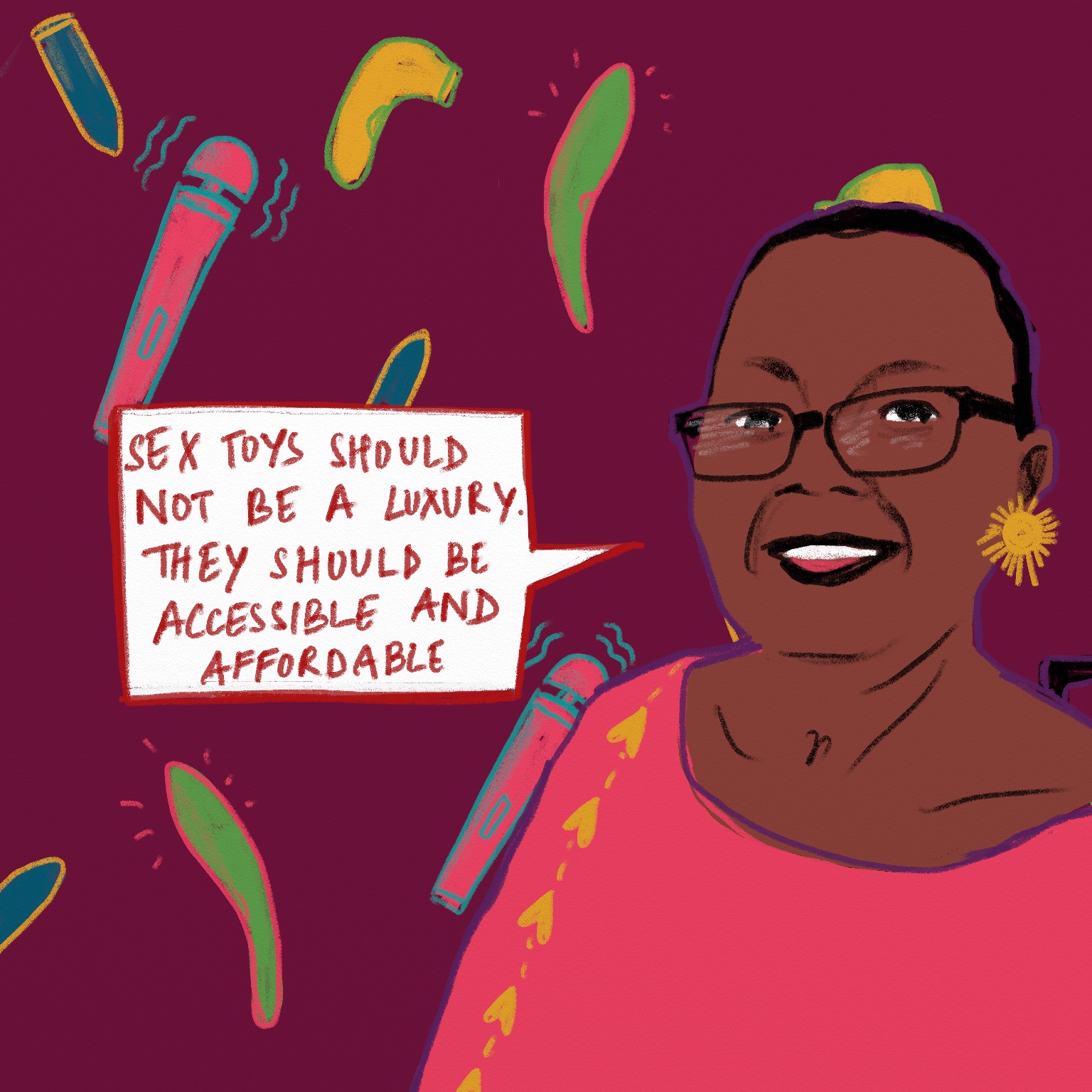
Illustrated portrait of Makgosi Letimile saying: Sex toys should not be a luxury. They should be accessible and affordable
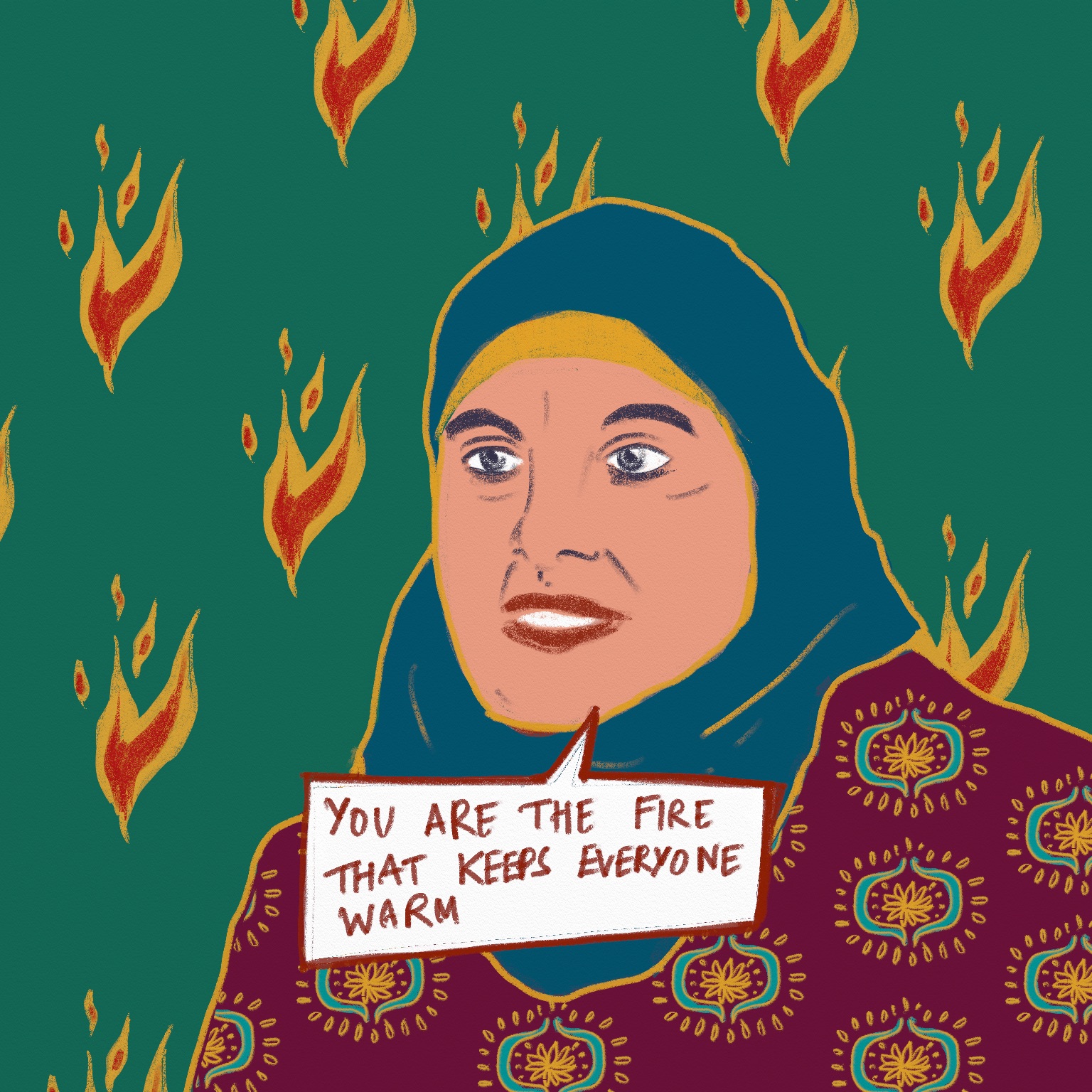
Illustrated portrait of Manal Tamimi that says: “You are the fire that keeps everyone warm"
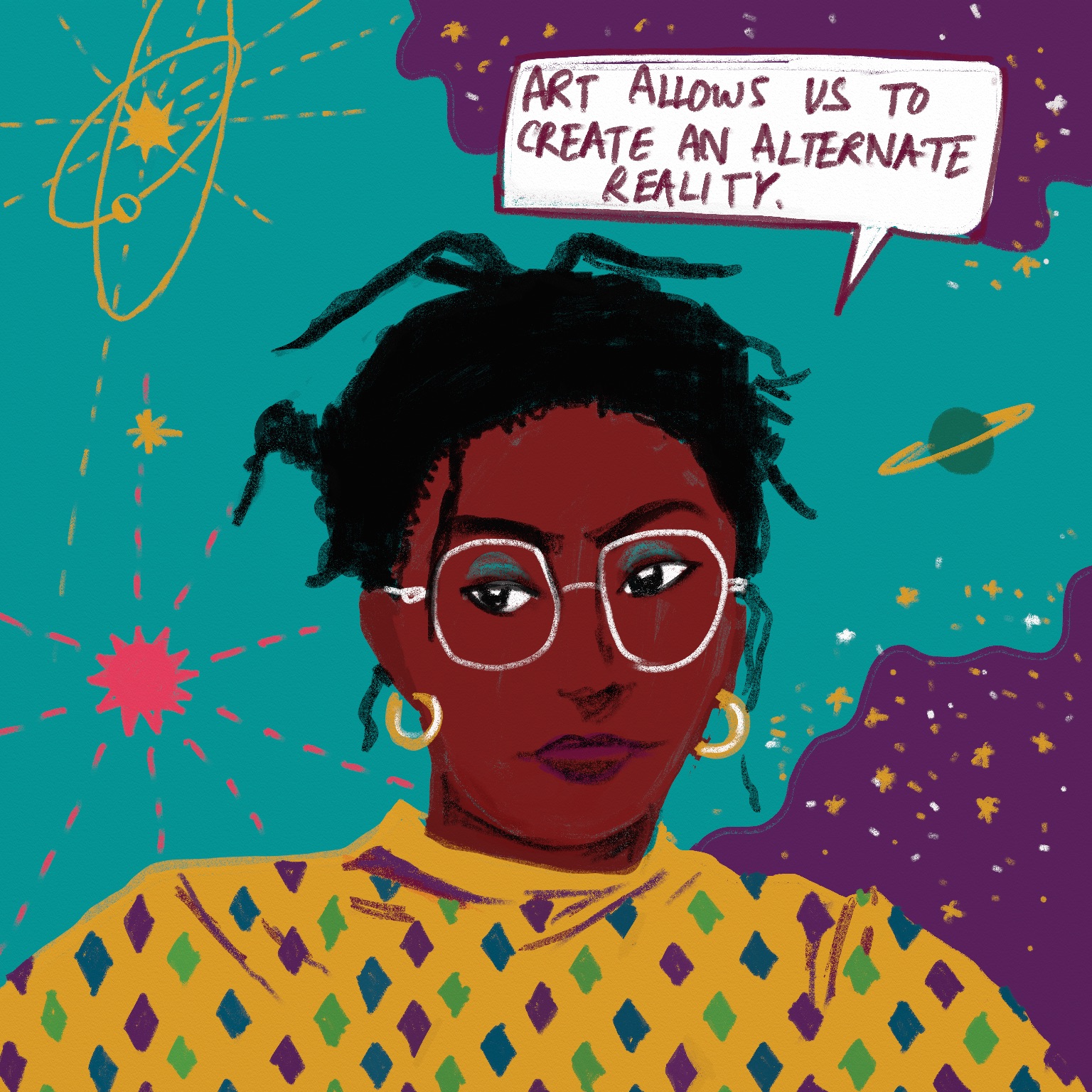
Illustrated portrait of Nana Akosua Hanson that says: "Art allows us to create an alternate reality"
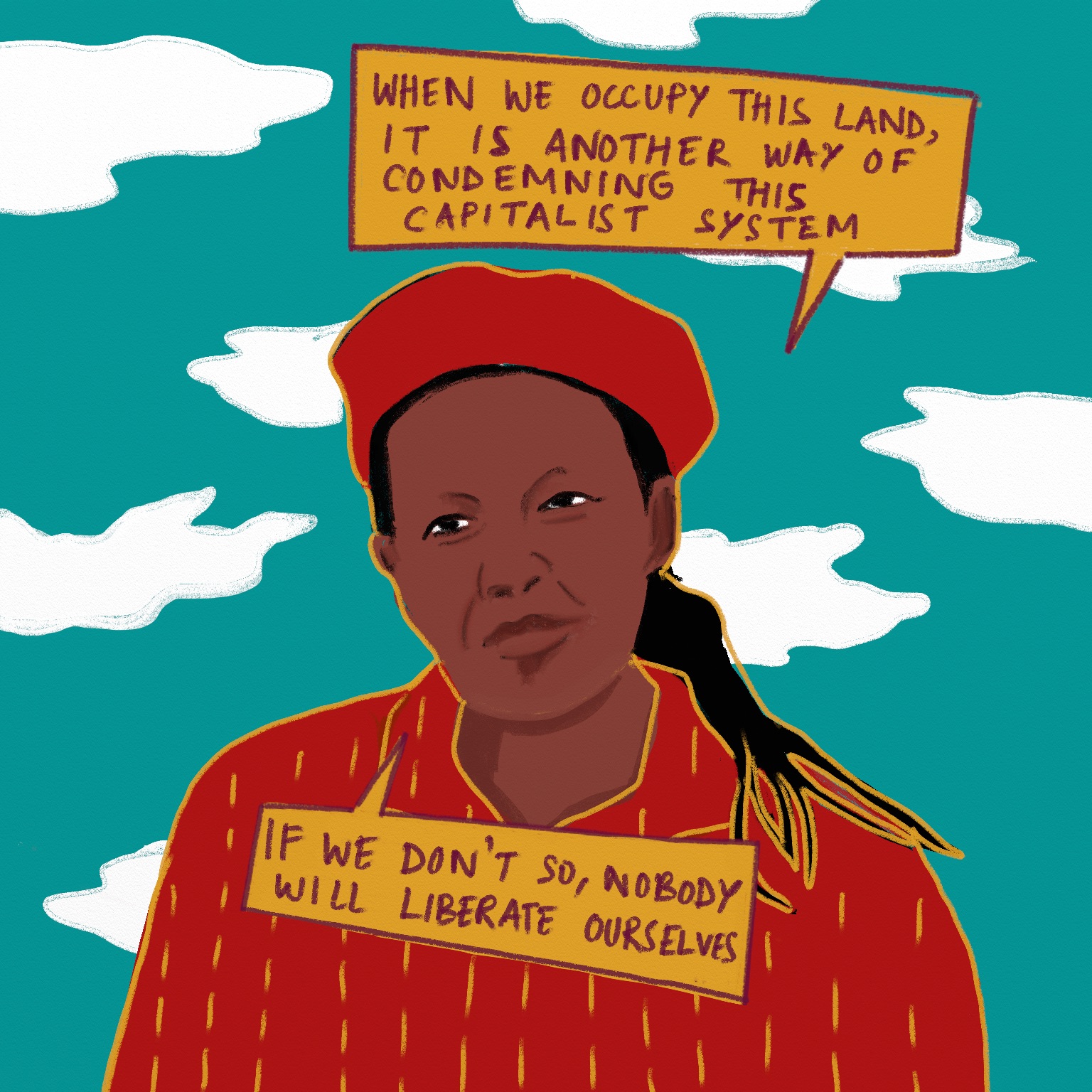
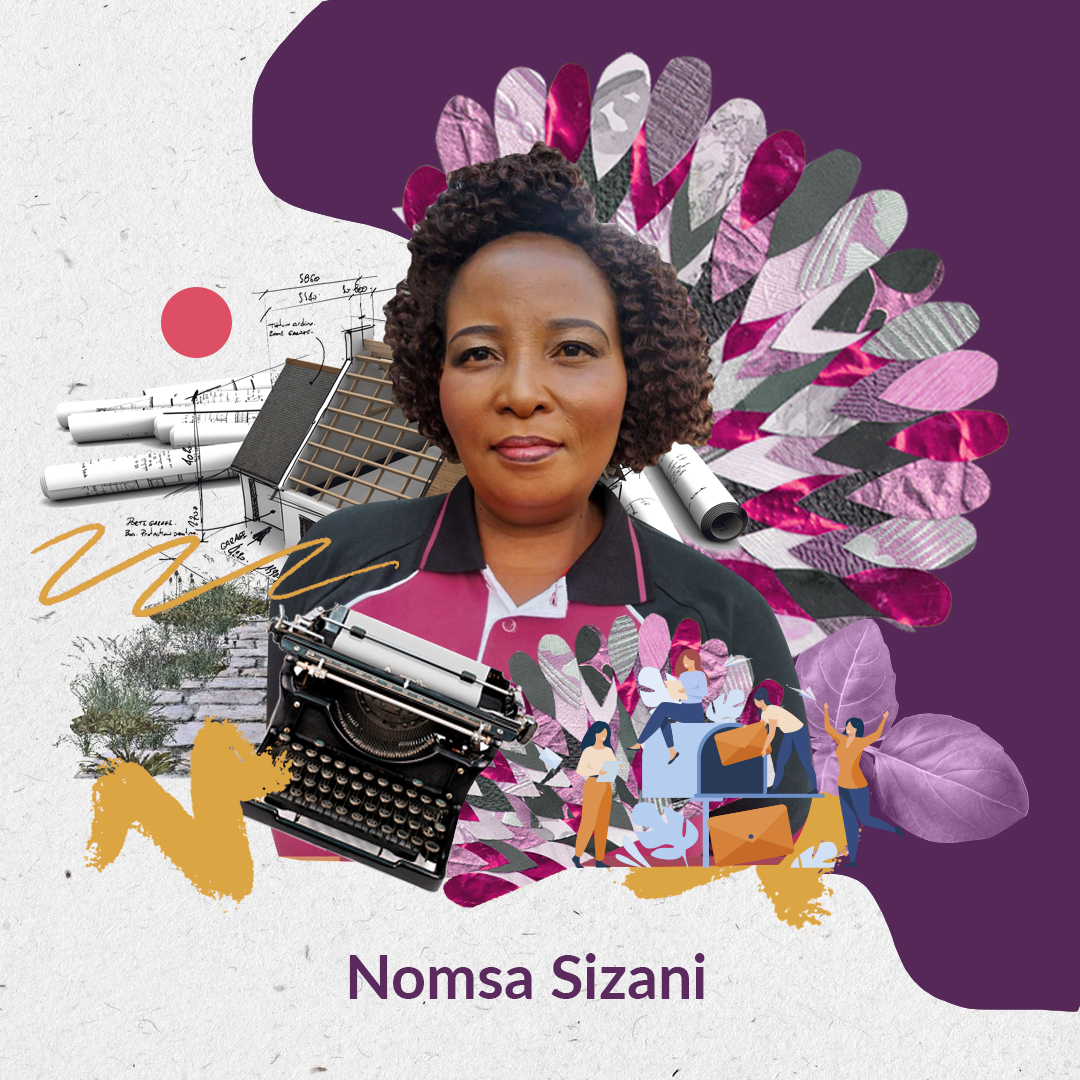
Illustrated portrait of Nomsa Sizani, over a white and turquise background, that says: “When we occupy this land, it is another way of condemning this capitalist system”  “If we don’t so, nobody will liberate ourselves”
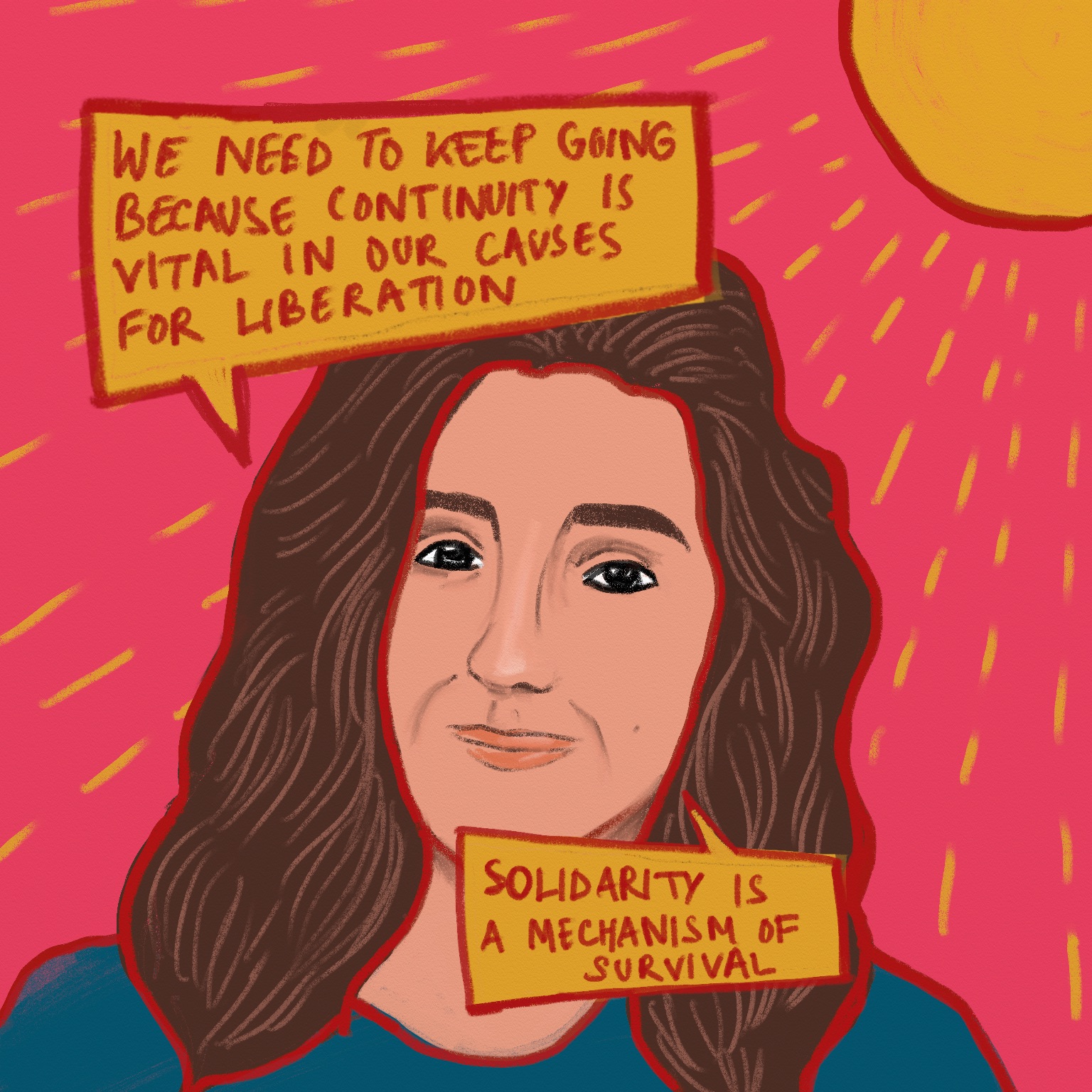
Illustrated portrait of Sandie Hanna that says: “Solidarity is a mechanism of survival”  “We need to keep going because continuity is vital in our causes for liberation”
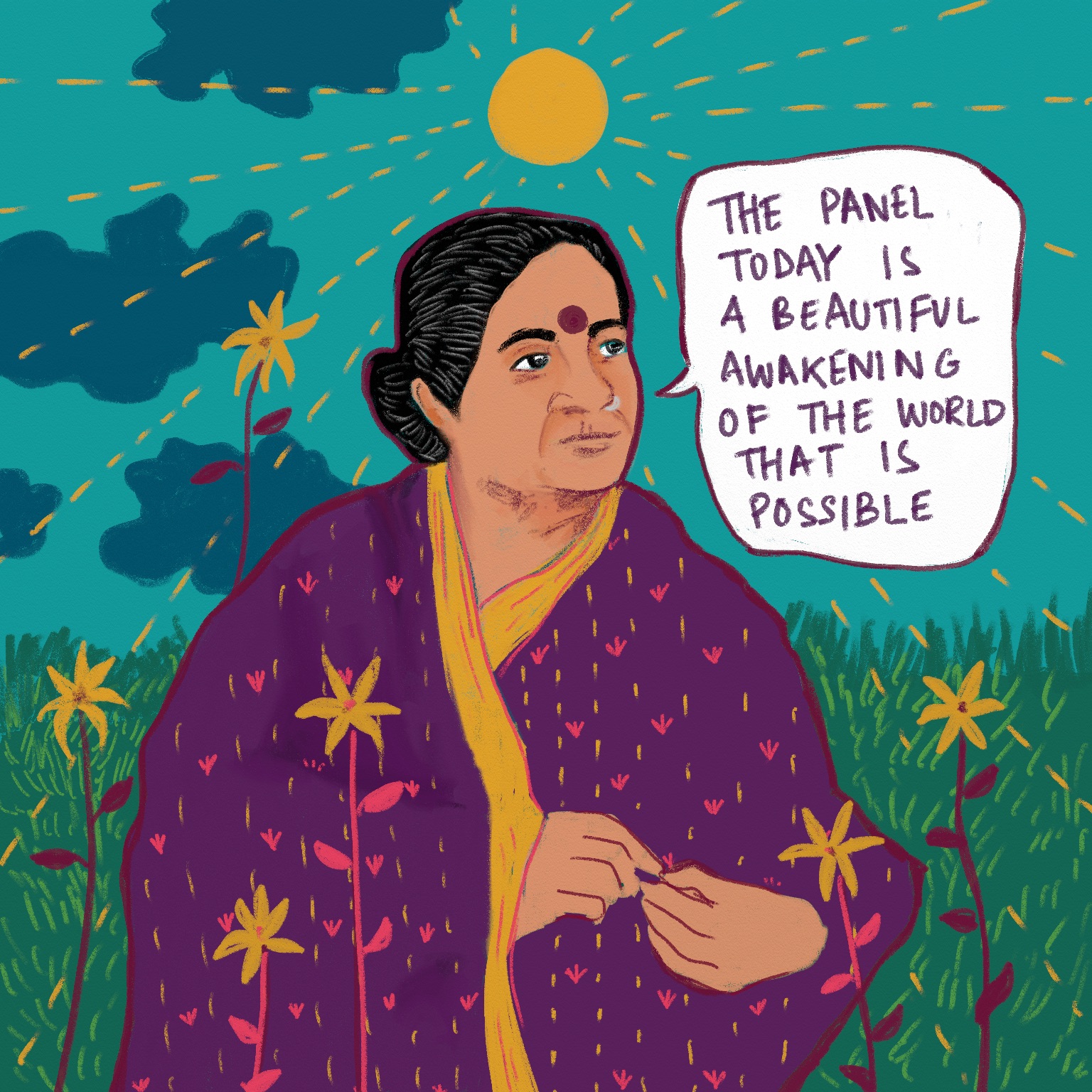
Illustrated portrait of Doctor Vandana Shiva that says: “The panel today is a beautiful awakening of the world that is possible”
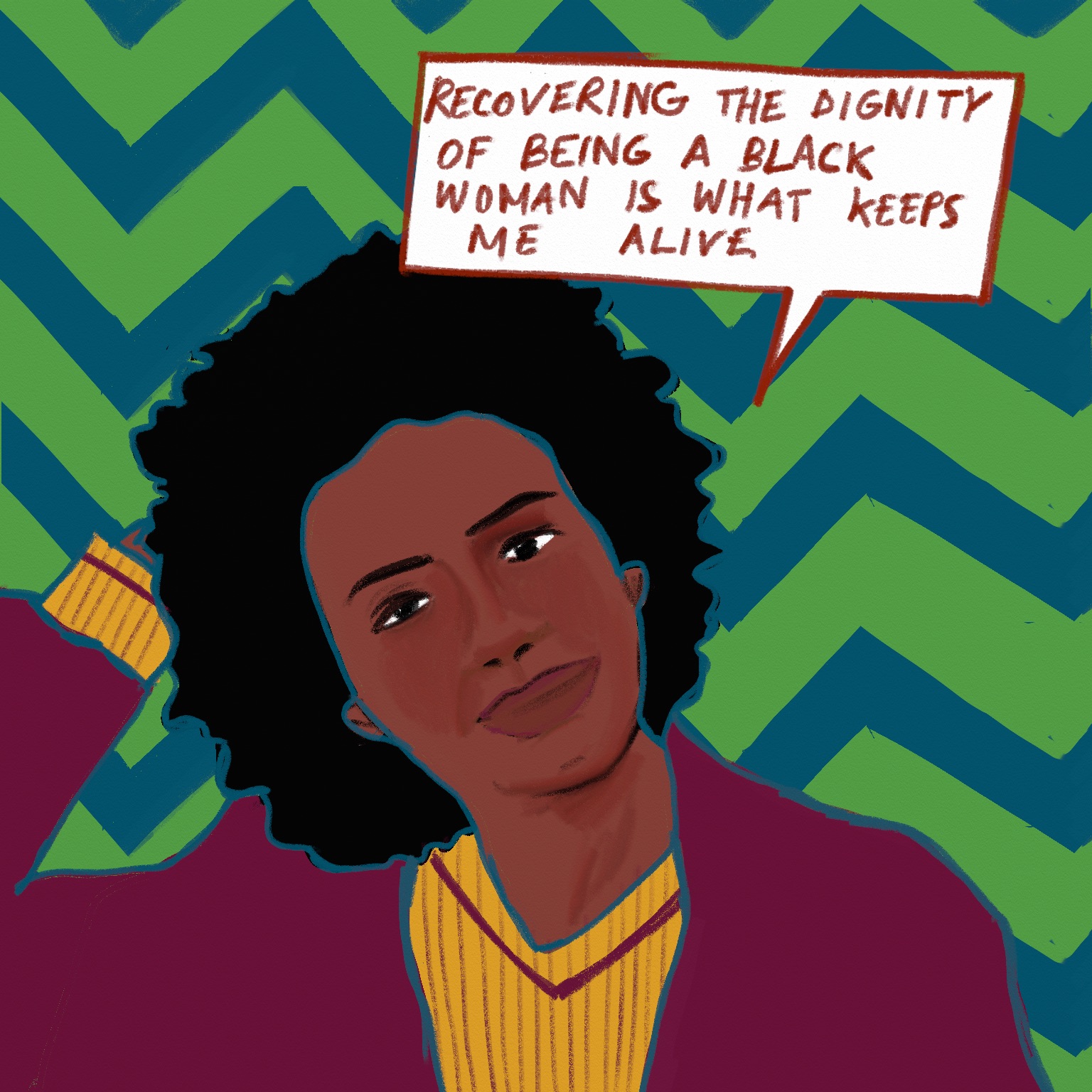
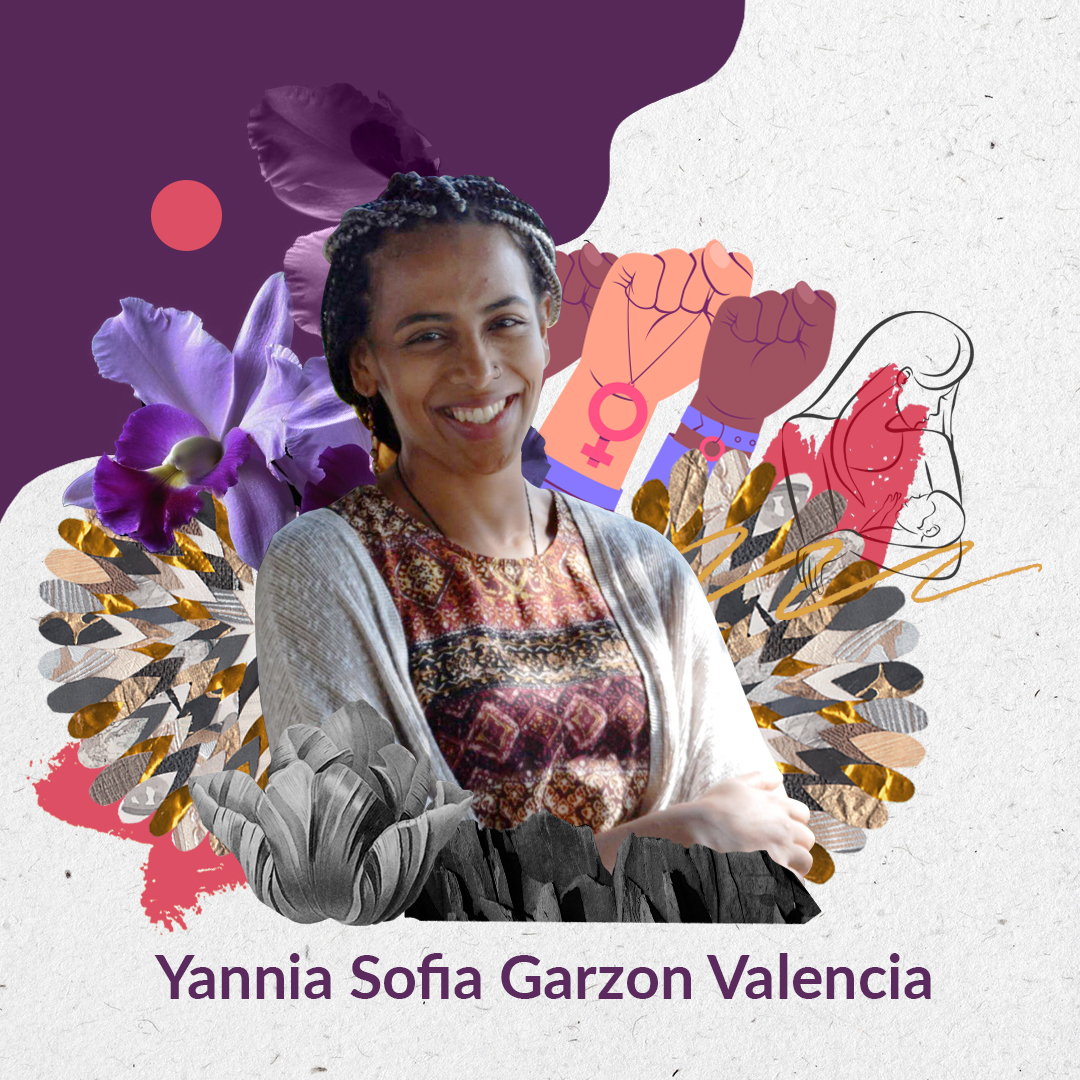
Illustrated portrait of Yannia S. Garzón that says: “Recovering the dignity of being a black woman is what keeps me alive”
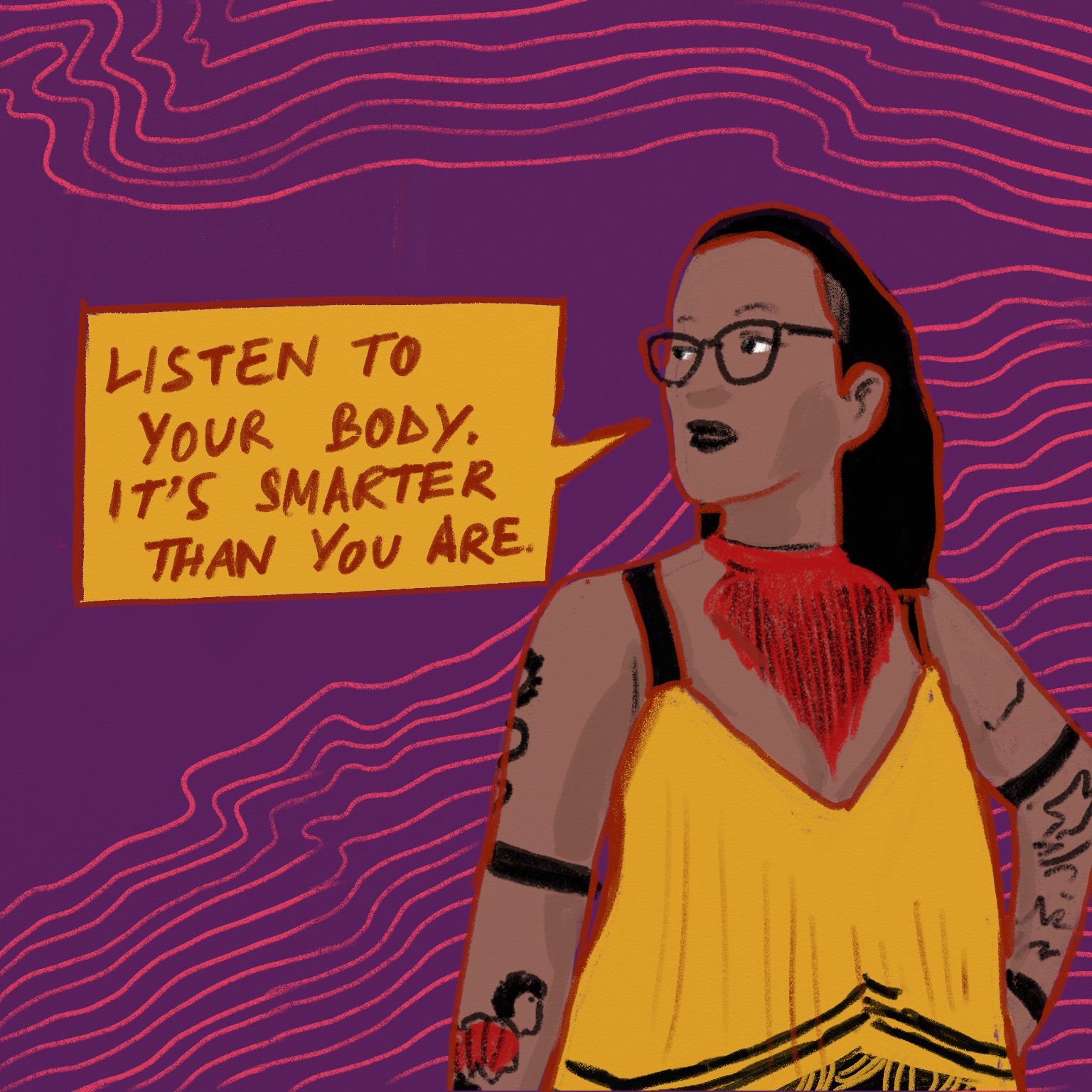
Illustrated portrait of Dr. Angelique V. Nixon that says: “Listen to your body. It’s smarter than you are.”
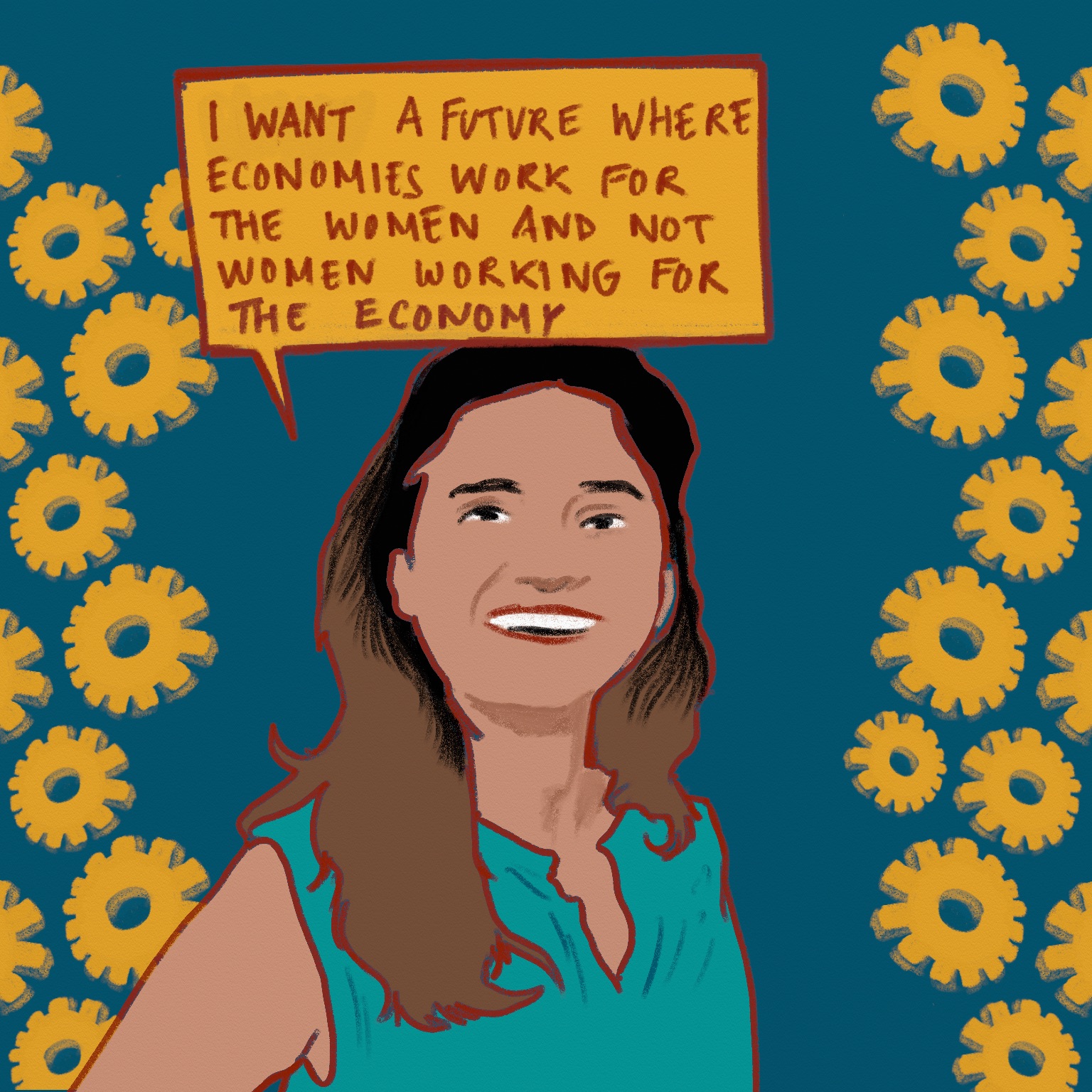
 Patricia Wattimena : I want a future where economies work for the women and not women working the economy

By artist Ika Vantiani

Facebook | TwitterInstagram

 
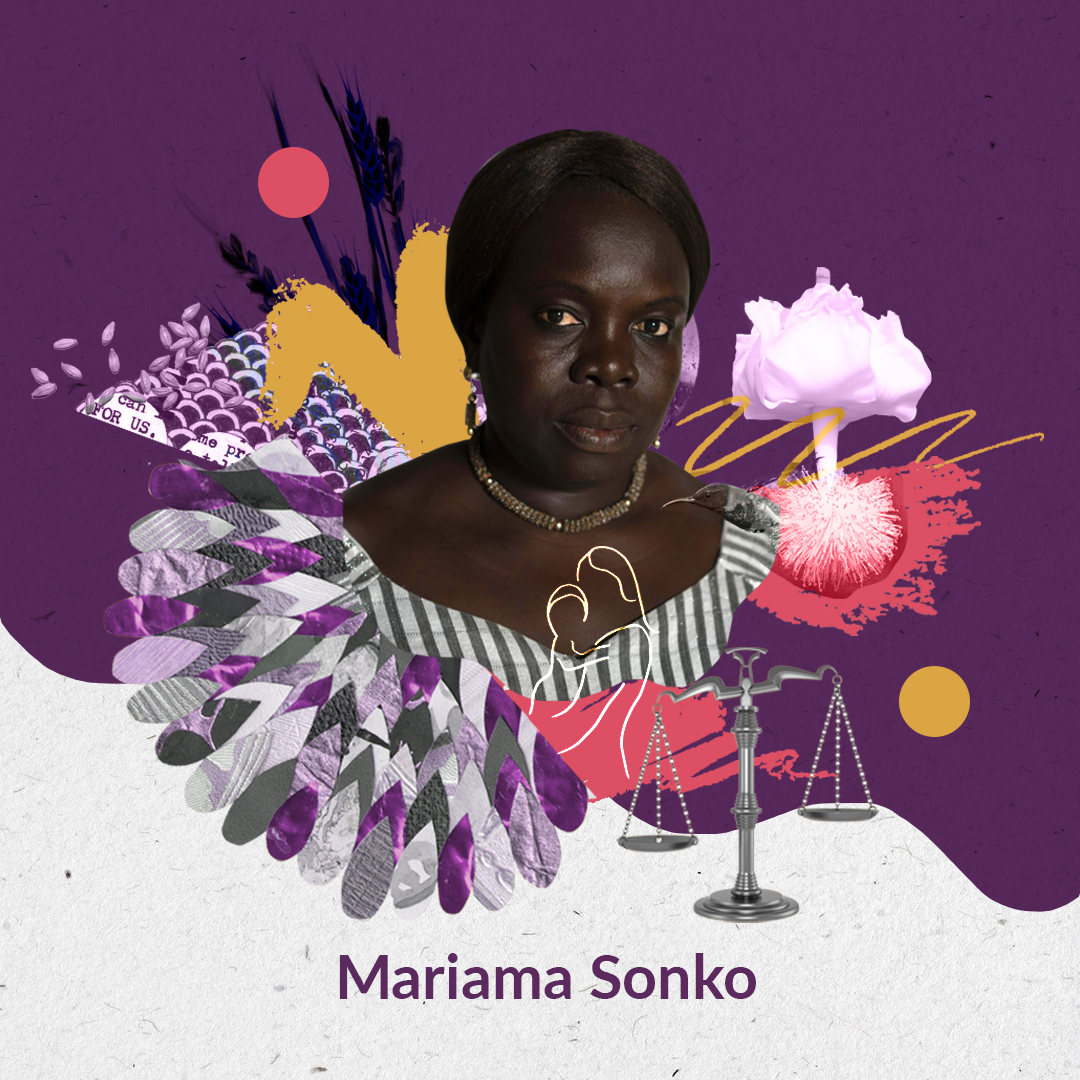
Collage of Mariama Sonko
Collage of Nomsa Sizani
Artistic collage featuring Yania Sofia

By artist Naadira Patel 

Website | Facebook | Instagram

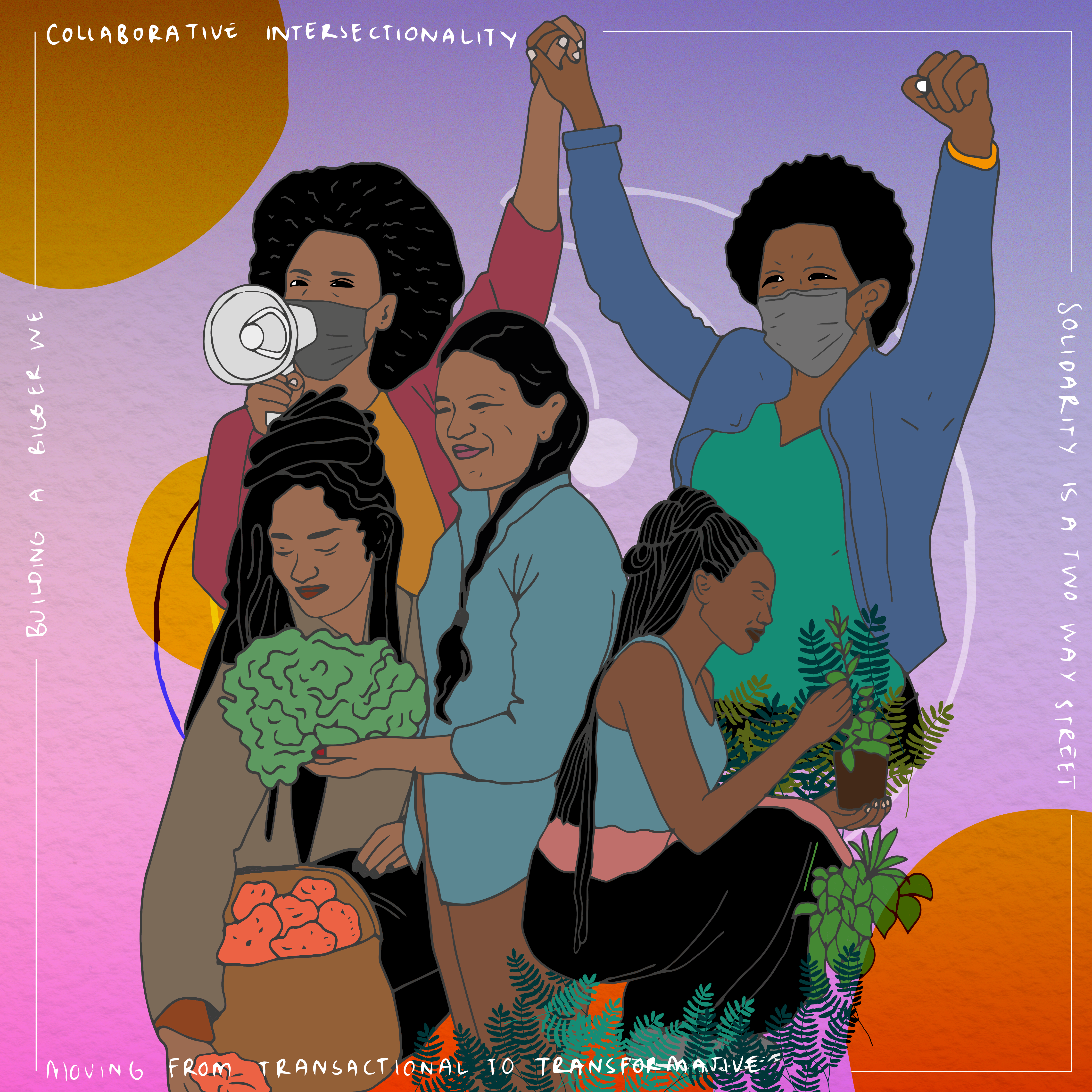
Illustration of several women of color with text that says: Moving from Transactional to Transformative
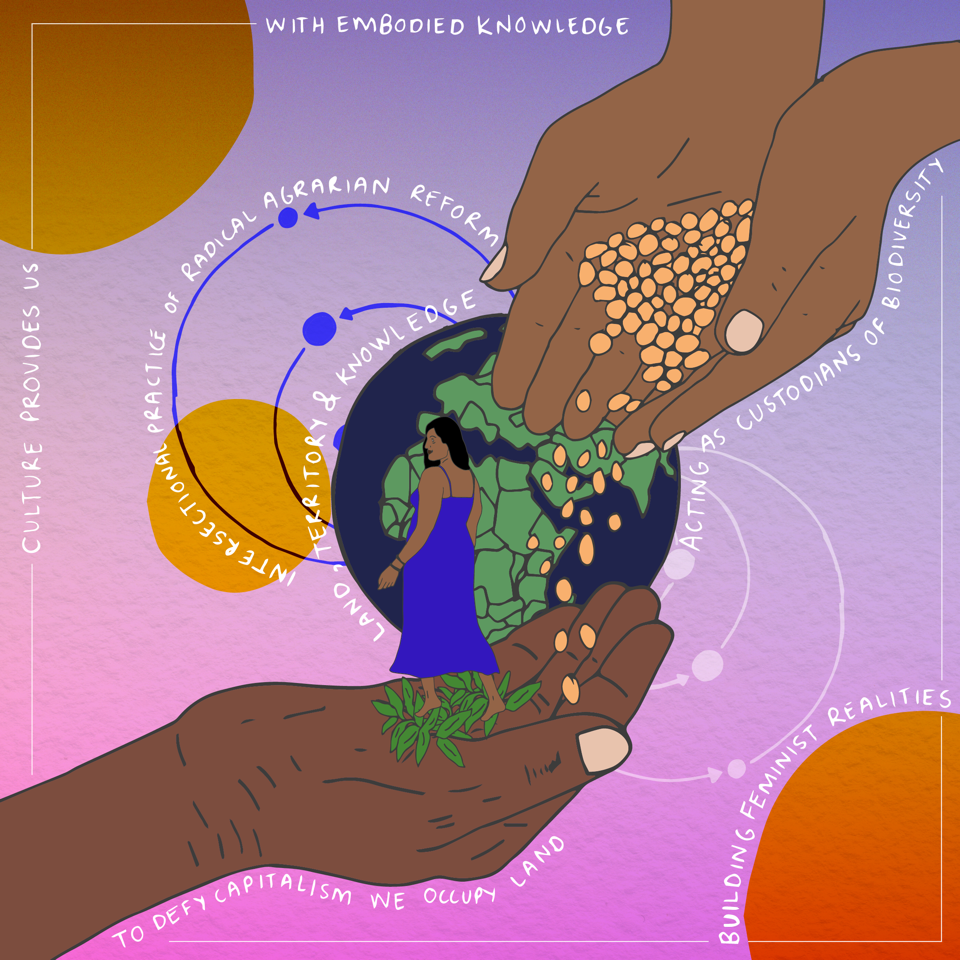
Illustration of three hand outstretched. Two are spilling seeds into the other. In the center there is planet Earth and a woman walking over plants. The text reads "To defy capitalism we occupy land acting as custodians of diversity"

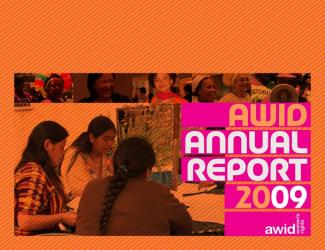
Annual Report 2009

3 women sitting on a roundtable with dmall thumbnails of women's faces on top and text that reads, "AWID ANNUAL REPORT 2009"

Our 2009 Annual Report includes highlights of another busy year of action and reflection at AWID as we implement our commitment to boldly, creatively and effectively contribute to the advancement of women’s rights and gender equality worldwide.

In the report you can find out about our programmatic achievements, membership, finances, what to watch out for in 2010, as well as information about our Board and Staff.

Download PDF

Sara AbuGhazal

Biography

Sara AbuGhazal is a Palestinian feminist living in Beirut. She is a co-founder of Sawt al-Niswa, a collective that produces knowledge in Beirut. She is the co-director of The Knowledge Workshop, a feminist organization based in Beirut that works on feminist oral history and archiving. Sara is currently the Regional Coordinator of the Regional Coalition for Women Human Rights Defenders in the Middle East and North Africa.

Sara strives to help create spaces of feminist transformation and solidarity. Her work is mostly centered on building sustainable movements in the MENA region. She is invested in knowledge production, feminist transformation, and Palestine. She publishes regularly in sawtalniswa.org and her fiction also appears in Romman e-magazine.

Add to stories
Off

Eni Lestari

Biography

Eni Lestari is an Indonesian domestic worker in Hong Kong and a migrant rights activist. After escaping her abusive employer, she transformed herself from a victim into an organizer for domestic workers in particular, and migrant workers in general. In 2000, she founded the Association of Indonesian Migrant Workers (ATKI-Hong Kong) which later expanded to Macau, Taiwan, and Indonesia. She was the coordinator and the one of the spokesperson of the Asia Migrants Coordinating Body (AMCB) - an alliance of grassroots migrants organisations in Hong Kong coming from Indonesia, Philippines, Thailand, Nepal and Sri Lanka. She is also the current chairperson of International Migrants Alliance, the first-ever global alliance of grassroots migrants, immigrants, refugees, and other displaced people.

She has held important positions in various organizations including and current Regional Council member of Asia Pacific Forum on Women, Law and Development (APWLD), former Board Member of Global Alliance Against Traffic in Women (GAATW), spokesperson for Network of Indonesian Migrant Workers (JBMI), advisor for ATKI-Hong Kong and Macau as well as the Association of Returned Migrants and Families in Indonesia (KABAR BUMI). She has been an active resource person in forums organized by academics, interfaith groups, civil societies, trade unions and many others at national, regional, and international arenas.

She has actively participated in United Nations assemblies/conferences on development and migrants’ rights and was chosen as a speaker at the opening of the UN General Assembly on Large Movement of Migrants and Refugees in 2016 in New York City, USA. She received nominations and awards such as Inspirational Women by BBC 100 Women, Public Hero Award by RCTI, Indonesian Club Award, and Non-Profit Leader of Women of Influence by American Chamber Hong Kong, and Changemaker of Cathay Pacific.

Add to stories
Off

Alejandra Morena

Biography

Alejandra is passionate about women’s rights and gender justice. She dreams of creating a world that centers care – for people and nature. As a feminist human rights expert, she’s worked at the intersections of gender, climate, social and economic justice at various international organizations. Her areas of expertise include knowledge building and co-creation, research, facilitation, and advocacy. She holds a MA in Human Rights from the University of Essex and has authored and co-developed many publications, including the article “Enraged: Women and Nature”. The campaign Feminist Activism Without Fear draws on interviews and research carried out by Alejandra. 

Originally from Argentina, she has lived and worked in several countries in Europe and Latin America over the past two decades. Alejandra loves photography, the sea, baking with her daughter, and enjoying food from around the world. As a mother, she aims to be a cycle breaker. Alejandra draws energy and inspiration from the amazing women in her life, who are spread in many corners of the world.

Position
Research & Advocacy Lead, Resourcing Feminist Movements
Add to stories
Off

I am interested in working for women’s rights. How do I get started?