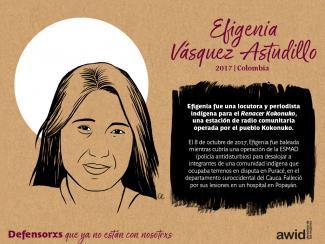
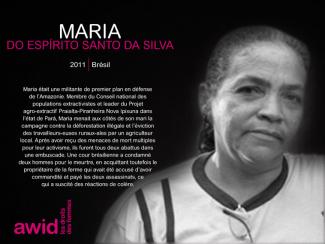
Efigenia Vásquez Astudillo
Esta sección de análisis especial ofrece un análisis feminista crítico y acceso a los recursos clave relacionados con la «protección de la familia» en los espacios internacionales de derechos humanos.
Durante los últimos años, venimos observando una nueva y preocupante tendencia en el ámbito internacional de derechos humanos, donde se están empleando discursos sobre la «protección de la familia» para defender violaciones cometidas contra miembros de la familia, de modo de reforzar y justificar la impunidad y para coartar la igualdad de derechos en el seno de la familia y la vida familiar.
La campaña para «proteger a la familia» es impulsada por proyectos conservadores que tienen como fin imponer interpretaciones «tradicionales» y patriarcales de familia; quitando los derechos de las manos de sus miembros para ponerlos en las de la institución «familia».
Desde 2014 un grupo de estados opera como bloque en espacios de derechos humanos, bajo el nombre «Group of Friends of the Family» [Grupo de amigos de la familia], y a partir de entonces se han aprobado resoluciones sobre la «Protección de la familia» todos los años.
Esta agenda se ha extendido más allá del Consejo de Derechos Humanos (HRC, por sus siglas en inglés). Hemos visto cómo el lenguaje regresivo sobre «la familia» se ha introducido en la Comisión de la Condición Jurídica y Social de las Mujeres (CSW, por sus siglas en inglés), y hemos asistido a intentos por incluir este lenguaje en las negociaciones sobre los Objetivos de Desarrollo Sostenible.
AWID trabaja con asociadxs y aliadxs para resistir conjuntamente las agendas regresivas de «Protección de la familia» y otras, y para defender la universalidad de los derechos humanos.
En respuesta a la creciente influencia de actores regresivos en los espacios de derechos humanos, AWID se ha unido con aliadxs para formar el Observatorio de la Universalidad de los Derechos (OURs, por sus siglas en inglés). OURs es un proyecto colaborativo que monitorea, analiza y comparte información sobre iniciativas anti-derechos tales como la «Protección de la familia».
Derechos en Riesgo, el primer informe de OURs, traza un mapa de los actores que conforman el cabildeo global anti-derechos e identifica sus discursos y estrategias principales, señalando los efectos que estos discursos y estrategias están teniendo sobre nuestros derechos humanos.
El informe expone a la «Protección de la familia» como una agenda que ha promovido la colaboración entre una amplia gama de actores regresivos en las Naciones Unidas. La describe como un marco estratégico que aloja «múltiples posiciones patriarcales y anti-derechos, cuyo marco, a su vez, apunta a justificar e institucionalizar estas posiciones».
📅Wednesday, March 13 🕒10.30am-12pm EST
Organisers: AWID, ESCR-Net, Franciscan International, Womankind Worldwide as part of Feminists For a Binding Treaty
🏢 Church Center of the United Nations, 777 United Nations Plaza, New York, 11th Floor
En savoir plus sur les réalités féministes
N'hésitez pas à nous contacter.
Thanks to our global feminist community! From May to August 2024, nearly 1,200 organizations working for Women's rights, gender justice, and LBTQI+ equality shared their experiences in the WITM survey. The results offer a unique picture of how feminist movements are resourced and where gaps remain.

The information contained in this communication is confidential and is intended solely for the addressee.
This communication may contain information proprietary to the Association for Women’s Rights in Development (AWID), and may not be reproduced or disseminated in whole or in part without AWID's written consent.
AWID does not warrant that any information contained herein is complete or correct. This communication is not an offer to enter into any agreement and is not a confirmation of any agreement described herein unless the context clearly indicates the contrary.
AWID is not acting as your adviser in any agreement that may be proposed herein, and this communication does not constitute a recommendation, guidance or proposal to enter into any agreement.
AWID does not guarantee or otherwise assure the expected results of any agreement. This communication may contain views or opinions that are not necessarily those of AWID.
You shall not be entitled to place any reliance on the information contained in this communication for the purposes of entering into any proposed agreement or otherwise.
Para darle visibilidad a la complejidad de la dotación de recursos para las diversas formas de organización feministas.

Our thoughts are with the many people all around the world who are most affected by the repercussions of the global COVID-19 pandemic, especially marginalised communities that are historically oppressed.
This is an invitation for artists and creative activists to join a virtual space to connect, build community, and support each other through these challenging times. For this we have created a new Slack community to safely share insights, learnings, life-hacks, resources, advice, fears and anxieties, hopeful and joyful reminders, and in general chat about how we’re doing.
After filling out the form, we will send you a personal invitation to the community.

For those who are new to Slack, we’ll have orientation sessions and materials available after you sign up.
Since we are working in three languages (English, Spanish, French) we invite you to write in the language you are the most comfortable with and use online translation tools (Google Translate or others) to participate in discussions.
Please refer to the Community Guidelines
The co-creation of our feminist realities starts with ourselves and how we treat each other. We are dedicated to creating and protecting safe and supportive spaces for our communities both online and in person. We also consider that safe and welcoming spaces are co-owned and co-created. We expect our members to act in a manner that is ethical, responsible and consistent with the values of AWID and assume collective responsibility to ensure an atmosphere of mutual respect and solidarity.
As part of our ongoing discussions, we will offer weekly prompts in Slack with the intention to gently facilitate dialogue and inspire art-making processes. This can be an introspective process, but to make the most out of this community, we welcome you to interact with other community members and share thoughts as part of our discussions. The intention is to invite folks to respond freely and gradually by writing or making art in whatever way feels best.
We hope to have relevant and timely discussions with you, so we invite your suggestions and feedback. In general, the themes will center the experiences and perspectives of artists, writers, and creators -- and they will make space for folks to vision into and beyond the current global climate through the lens of feminist realities.