Yolanda Santana
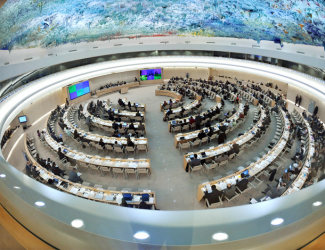
El Consejo de Derechos Humanos (CDH) es el cuerpo intergubernamental del sistema de las Naciones Unidas responsable de la promoción y protección de todos los derechos humanos en todo el mundo. El HRC se reúne en sesión ordinaria tres veces al año, en marzo, junio y septiembre. La La Oficina del Alto Comisionado para los Derechos Humanos (ACNUDH) es la secretaría del Consejo de Derechos Humanos.
Debate y aprueba resoluciones sobre cuestiones mundiales de derechos humanos y el estado de los derechos humanos en determinados países
Examina las denuncias de víctimas de violaciones a los derechos humanos o las de organizaciones activistas, quienes interponen estas denuncias representando a lxs víctimas.
Nombra a expertos independientes que ejecutarán los «Procedimientos Especiales» revisando y presentado informes sobre las violaciones a los derechos humanos desde una perspectiva temática o en relación a un país específico
Participa en discusiones con expertos y gobiernos respecto a cuestiones de derechos humanos.
A través del Examen Periódico Universal, cada cuatro años y medio, se evalúan los expedientes de derechos humanos de todos los Estados Miembro de las Naciones Unidas
Se está llevarando a cabo en Ginebra, Suiza del 30 de junio al 17 de julio de 2020.
AWID trabaja con socios feministas, progresistas y de derechos humanos para compartir conocimientos clave, convocar diálogos y eventos de la sociedad civil, e influir en las negociaciones y los resultados de la sesión.
AWID honors feminists and Women Human Rights Defenders (WHRDs) who have died and whose contributions to the advancement of human rights are very much missed.
AWID’s WHRD Tribute is a photo exhibition featuring feminist, women’s rights and social justice activists from around the world who are no longer with us.
The Tribute was first launched in 2012, at AWID’s 12th International Forum, in Turkey. It took shape with a physical exhibit of portraits and biographies of feminists and activists who passed away. The initiative was described by Forum participants as being a unique, moving and energizing way to commemorate our collective history.
At the 13th International Forum in Brazil, we honored activists and WHRDs with a mural unveiling ceremony in four languages, a dance performance and a Brazilian ritual.
In between the events, the Tribute lives as an online gallery that is updated every year as part of the 16 Days Campaign Against Gender Based Violence (25 November – 10 December).
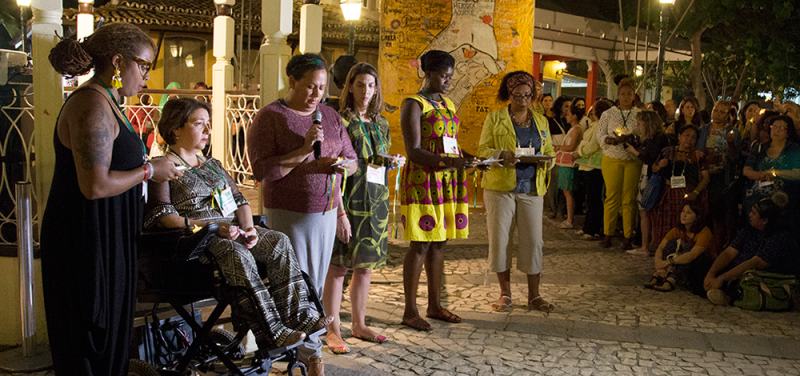
Since 2012, through our annual Tribute to Women Human Rights Defenders (WHRDs) no longer with us, over 400 feminists and WHRDs from 11 regions and 80 countries have been featured.
AWID would like to thank the families and organizations who shared their personal stories and contributed to this memorial. We join them in continuing the remarkable work of these women and forging efforts to ensure justice is achieved in cases that remain in impunity.
Visit the WHRD Tribute online exhibit
In addition to paying homage to these incredible activists, the Tribute particularly sheds light on the plight of WHRDs who have been assassinated or disappeared.
One third of those featured in the Tribute were activists who have been murdered or disappeared in suspicious circumstances. They were specifically targeted for who they were and the work they did to challenge:
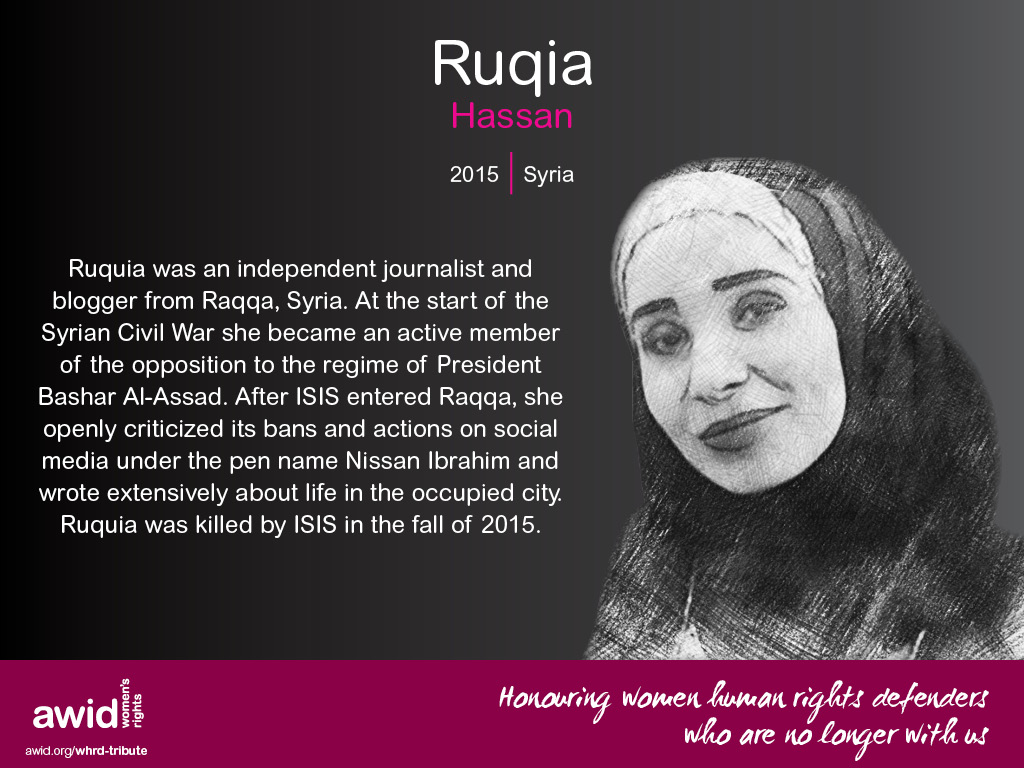
Women like Agnes Torres, from Mexico, was killed because of her gender identity and sexual orientation; or Cheryl Ananayo, an environmental activist from the Philippines was assassinated as she struggled against a mining company; or Ruqia Hassan, a Syrian independent journalist and blogger killed for her criticism of ISIS. And so many others.
With the WHRD Tribute, we bring them all into our collective memory and carry their legacy of struggle as our torch in the feminists’ and women’s rights movements. We recognize that security, safety and self-care must be a priority in all our political agendas. And we call on to governments and international bodies to collectively address violence against feminists and WHRDs.
Nous avons le plaisir de vous présenter Mariama Sonko, agricultrice rurale, éco-féministe et défenseuse des droits humains, vivant actuellement à Niaguis, une ville du sud-ouest du Sénégal.
Ayant grandi dans une famille et une communauté rurale d’agriculteur·rices, elle a été témoin du rôle essentiel des femmes dans la production alimentaire et la conservation des semences depuis son plus jeune âge, tout en étant immergée dans le travail de la terre.
Mariama défend les savoirs agricoles locaux et les pratiques paysannes depuis les années 90. En tant que mère de 5 enfants, la nourriture qu'elle cultive elle-même est la principale source de subsistance de sa famille.
Elle est actuellement présidente de Nous Sommes la Solution et s'engage à promouvoir les pratiques agroécologiques et l'agriculture familiale, à encourager la souveraineté alimentaire, la biodiversité et la préservation des semences paysannes, et à exiger un accès équitable aux ressources et à la terre à travers l'Afrique de l'Ouest.
Source: AWID’s Feminist Realities Festival Crear | Résister | Transform - Day 2/ 2ème jour/ 2º día
Le 14e Forum international de l'AWID aura lieu du 20 au 23 septembre 2021 à Taipei, Taiwan.
L’enquête est disponible sur KOBO, une plateforme en source libre de collecte, gestion et visualisation de données. Pour y participer, il vous suffit de cliquer ici sur le lien de l’enquête et de suivre les indications pour répondre aux questions.
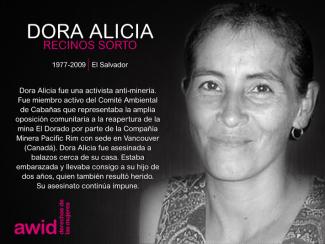
Este año honramos a 19 defensoras de la región de América Latina y el Caribe. De ellas, 16 fueron asesinadas, incluyendo a 6 periodistas y 4 defensoras LGBTQI. Únete a nosotras en la conmemoración de sus vidas y trabajo, compartiendo los memes aquí incluidos con tus colegas, amistades y redes; y tuiteando las etiquetas #WHRDTribute y #16Días.
Por favor, haz click en cada imagen de abajo para ver una versión más grande y para descargar como un archivo.


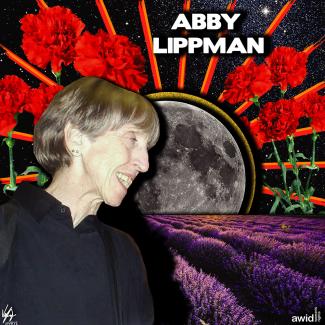
Abby was a pioneering feminist, human-rights activist and former McGill University epidemiologist.
Abby was renowned for championing social causes and for her insightful critiques of reproductive technologies and other medical topics. Specifically, she campaigned against what she called the "geneticization" of reproductive technologies, against hormone replacement therapy and for better, longer research before the approval of discoveries such as the vaccines against the human papillomavirus.
On the news of her passing, friends and colleagues described her fondly as an “ardent advocate” for women’s health.

There are 47 questions in total, of which 27 are mandatory* and the remaining 20 are optional. The majority of questions are multiple-choice. We invite you to respond to all the questions.
7 Women Human Rights Defenders from across the South and Southeast Asian region are honored in this year’s Online Tribute. These defenders have made key contributions to advancing human and women’s rights, indigenous people’s rights, and the right to education. These WHRDs were lawyers, women’s rights activists, scholars, and politicians. Please join AWID in commemorating t their work and legacy by sharing the memes below with your colleagues, networks and friends and by using the hashtags #WHRDTribute and #16Days.
Please click on each image below to see a larger version and download as a file


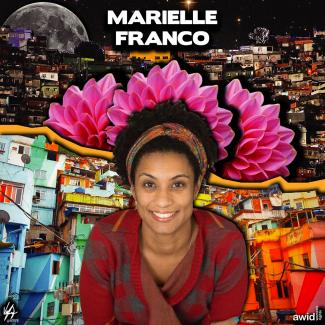
Marielle fue una política brasileña feminista lesbiana y activista por los derechos humanos.
Criticó abiertamente la brutalidad policial y las ejecuciones extrajudiciales. Su política declaradamente feminista, negra, centrada en las favelas, fue una fuente de esperanza para los grupos marginados de Río de Janeiro, gobernados actualmente por un gobierno municipal conservador y un intendente evangélico.
El 14 de marzo de 2018, después de dar un discurso en Río de Janeiro, Franco y su chofer fueron asesinados a balazos. A partir de la noticia de su muerte, multitudes se volcaron a las calles al grito de «¡Marielle presente!», en demanda de justicia.
En esta nota se puede leer más sobre Marielle y la situación en Brasil
Si deseas guardar las respuestas y retomar la encuesta más tarde, puedes hacerlo todas las veces que lo necesites. KOBO guardará tus respuestas en la esquina superior izquierda de la página de la encuesta y recargará tu registro cuando regreses a la encuesta. Solo asegúrate de continuar desde la misma computadora y navegador.
Before starting the WITM research methodology, it is important you prepare the background and know what to expect.
With AWID’s WITM research methodology, we recommend that you first review the entire toolkit.
While this toolkit is designed to democratize WITM research, there are capacity constraints related to resources and research experience that may affect your organization’s ability use this methodology.
Use the “Ready to Go?” Worksheet to assess your readiness to begin your own WITM research. The more questions you can answer on this worksheet, the more prepared you are to undertake your research.
Before beginning any research, we recommend that you assess your organization’s connections and trust within your community.
In many contexts, organizations may be hesitant to openly share financial data with others for reasons ranging from concerns about how the information will be used, to fear of funding competition and anxiety over increasing government restrictions on civil society organizations.
As you build relationships and conduct soft outreach in the lead-up to launching your research, ensuring that your objectives are clear will be useful in creating trust. Transparency will allow participants to understand why you are collecting the data and how it will benefit the entire community.
We highly recommend that you ensure data is collected confidentially and shared anonymously. By doing so, participants will be more comfortable sharing sensitive information with you.
We also recommend referring to our “Ready to Go?” Worksheet to assess your own progress.
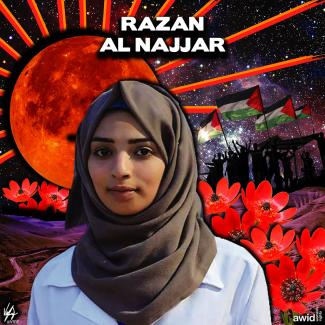
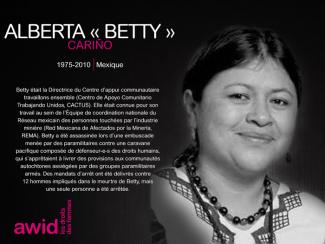
Razan était une infirmière palestinienne bénévole âgée de 21 ans.
Elle a été tuée par balle à l'est de la ville de Khan Younis, au sud de Gaza, alors qu'elle courait vers une clôture de la frontière fortifiée dans le but de porter secours à une victime.
Dans son tout dernier post sur Facebook, Razan avait déclaré : « J’y retourne et ne reculerai pas », ajoutant: « Frappez-moi de vos balles. Je n'ai pas peur ».