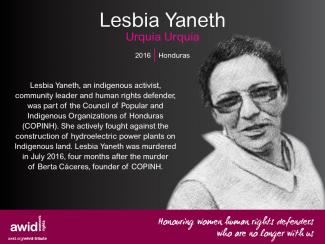
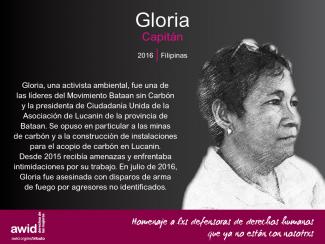
Lesbia Yaneth Urquía Urquía
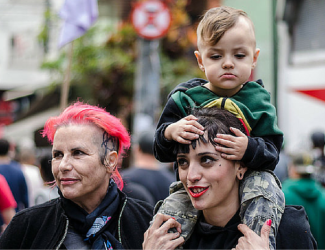
Over the past few years, a troubling new trend at the international human rights level is being observed, where discourses on ‘protecting the family’ are being employed to defend violations committed against family members, to bolster and justify impunity, and to restrict equal rights within and to family life.
The campaign to "Protect the Family" is driven by ultra-conservative efforts to impose "traditional" and patriarchal interpretations of the family, and to move rights out of the hands of family members and into the institution of ‘the family’.
Since 2014, a group of states have been operating as a bloc in human rights spaces under the name “Group of Friends of the Family”, and resolutions on “Protection of the Family” have been successfully passed every year since 2014.
This agenda has spread beyond the Human Rights Council. We have seen regressive language on “the family” being introduced at the Commission on the Status of Women, and attempts made to introduce it in negotiations on the Sustainable Development Goals.
AWID works with partners and allies to jointly resist “Protection of the Family” and other regressive agendas, and to uphold the universality of human rights.
In response to the increased influence of regressive actors in human rights spaces, AWID joined allies to form the Observatory on the Universality of Rights (OURs). OURs is a collaborative project that monitors, analyzes, and shares information on anti-rights initiatives like “Protection of the Family”.
Rights at Risk, the first OURs report, charts a map of the actors making up the global anti-rights lobby, identifies their key discourses and strategies, and the effect they are having on our human rights.
The report outlines “Protection of the Family” as an agenda that has fostered collaboration across a broad range of regressive actors at the UN. It describes it as: “a strategic framework that houses “multiple patriarchal and anti-rights positions, where the framework, in turn, aims to justify and institutionalize these positions.”
Tous nos rapports annuels sont accessibles sur notre site web.
Modelos de gobernanza alternativos como vías para salir de la crisis climática.
📅 Miércoles 12 de noviembre de 2025
📍 Seminario Mar Nossa Sra Da Assunção, Pará, Brasil
We invite you to explore the Priority Areas and Stay Informed sections of our website, or use the search function to find information about the specific topics you are researching.
We particularly recommend that you explore our toolkit “Where is the Money for Women’s Rights” (WITM Toolkit). This is a Do-it-Yourself Research methodology to support individuals and organizations who want to conduct their own research on funding trends for a particular region, issue or population by adapting AWID’s research methodology.
Source: Centro de população de rua da cidade de São Paulo
 |
Abandoned / Unoccupied Buildings |
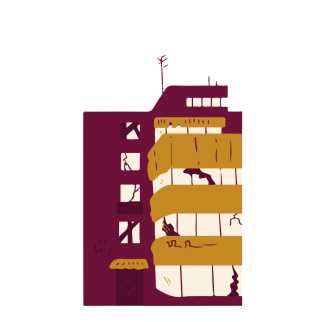 |
||
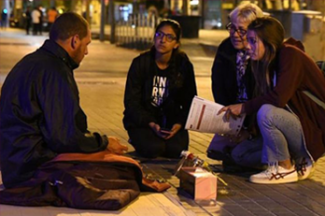
Population living in the streets |
||||
|
31,000 |
40.000 |
Segundo Diálogo de Alto Nivel sobre la Financiación para el Desarrollo
Las naciones ‘en desarrollo’ exhortaron a que se tuvieran en cuenta los desafíos globales así como las necesidades y posibilidades locales en la interacción con diferentes grupos (mujeres, jóvenes, personas con discapacidad, etc.) para abordar las temáticas identificadas en el Consenso de Monterrey.
 |
 |
 |
 |
 |
 |
 |
 |
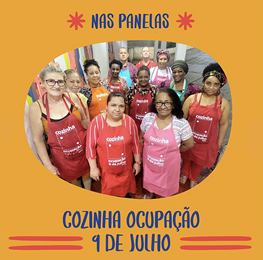
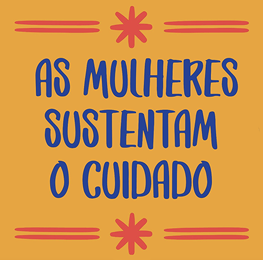
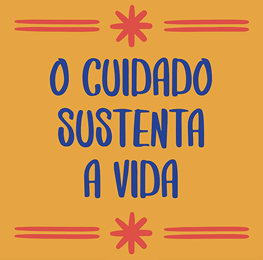
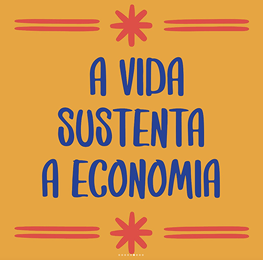
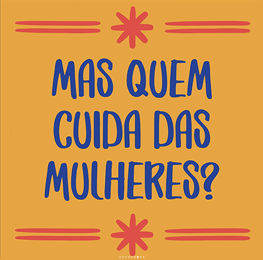
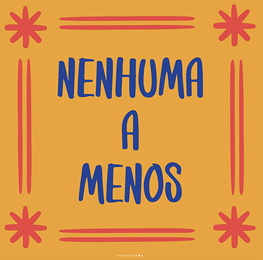
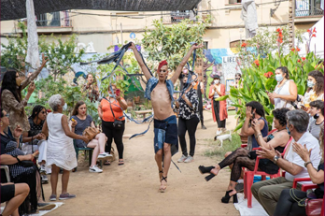
Las Mujeres Sostienen el Cuidado | El Cuidado Sostiene la Vida | La vida Sostiene la Economía | ¿Quién Cuida a las Mujeres? | Ni Una Menos1 | Juntas, Juntos, Juntes | Almuerzo de Domingo
1Nenhuna a menos se traduce literalmente como "ni una menos" en español, un eslogan feminista famoso en América Latina que surgió en Argentina como respuesta a la creciente violencia de género.
Le cinquième Dialogue de haut niveau sur le financement du développement, organisé les 7 et 8 décembre 2011, a marqué le début des discussions relatives au programme de développement de l’après-2015 et aux liens entre ce programme et le financement du développement. La conférence a accordé une attention particulière à la question de l’accroissement de l’aide au financement des OMD. Dans ses observations finales, le Secrétaire général a appelé les membres à commencer à réfléchir sur le cadre de développement de l’après-2015.
 |
Droits humains et ethno-territoriaux Assurer la défense des droits humains et des droits de la Nature par la construction d'alliances avec des acteur·rices et organisations locales, nationales, régionales et mondiales. |
 |
Développement Durable Garantir que toutes les activités économiques, culturelles et environnementales contribuent au développement durable, à la sécurité alimentaire et à la génération de revenus, dans le respect de l'autodétermination et de l'autonomie gouvernementale des communautés afro-descendantes. |
 |
Education and training Former les femmes et leur donner les moyens d'exercer la défense de leurs droits dans différents espaces politiques, sociaux et économiques. Pour plus d'informations, cliquez ici! |
Additional consultation sessions on the Draft Outcome Document
 |
 |
 |
 |
 |