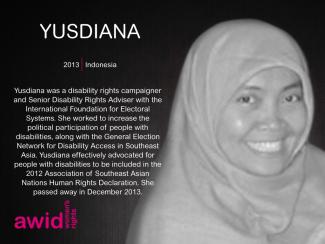
Yusdiana
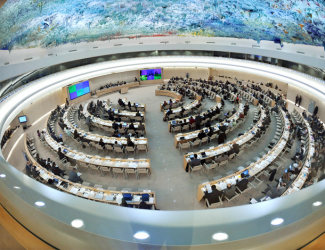
The Human Rights Council (HRC) is the key intergovernmental body within the United Nations system responsible for the promotion and protection of all human rights around the globe. It holds three regular sessions a year: in March, June and September. The Office of the UN High Commissioner for Human Rights (OHCHR) is the secretariat for the HRC.
Debating and passing resolutions on global human rights issues and human rights situations in particular countries
Examining complaints from victims of human rights violations or activist organizations on behalf of victims of human rights violations
Appointing independent experts (known as “Special Procedures”) to review human rights violations in specific countries and examine and further global human rights issues
Engaging in discussions with experts and governments on human rights issues
Assessing the human rights records of all UN Member States every four and a half years through the Universal Periodic Review
AWID works with feminist, progressive and human rights partners to share key knowledge, convene civil society dialogues and events, and influence negotiations and outcomes of the session.
 |
 |
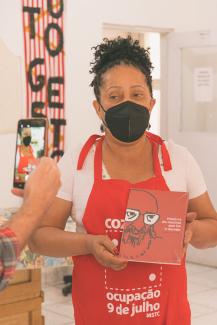 |
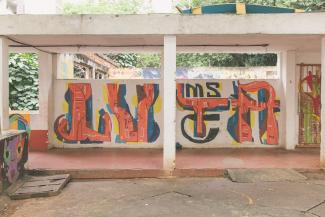
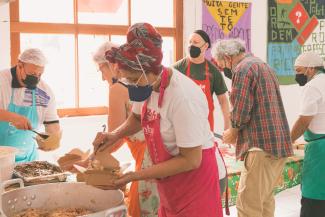
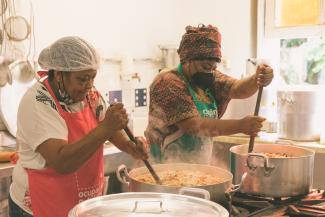
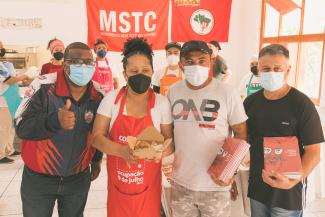 Women and collaborators at the occupation’s kitchen |
 |
📅Monday, March 11
🕒4:30 - 6pm EST
Organisers: AWID, IJSC and NAWI
🏢 Church Center of the United Nations, 777 United Nations Plaza, New York, 11th Floor
(French and Spanish interpretation available)

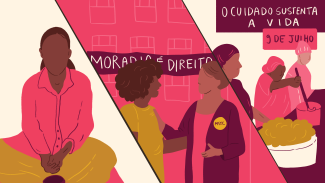
La vivienda es un derecho | El cuidado sostiene la vida
Day 3
Second High-level Dialogue on Financing for Development
Nous sommes ravis de vous présenter Clemencia Carabalí Rodallega, une extraordinaire féministe afro-colombienne.
Elle a travaillé sans relâche pendant trois décennies pour sauvegarder les droits humains, les droits des femmes et la consolidation de la paix dans les zones de conflit sur la côte pacifique de la Colombie.
Clemencia a apporté une contribution significative à la lutte pour la vérité, la réparation et la justice pour les victimes de la guerre civile en Colombie.
Elle a reçu le Prix national pour la défense des droits humains en 2019 et a également participé à la campagne de la nouvelle élue afro-colombienne et amie de longue date, la vice-présidente Francia Márquez.
Bien que Clemencia ait rencontré et continue de rencontrer de nombreuses difficultés, notamment des menaces et des tentatives d'assassinat, elle continue de se battre pour les droits des femmes et communautés afro-colombiennes à travers le pays.
Thanks to our global feminist community! From May to August 2024, nearly 1,200 organizations working for Women's rights, gender justice, and LBTQI+ equality shared their experiences in the WITM survey. The results offer a unique picture of how feminist movements are resourced and where gaps remain.
El Quinto Diálogo de Alto Nivel sobre la Financiación para el Desarrollo, realizado el 7 y 8 de diciembre de 2011, marcó el comienzo de las conversaciones en torno a la Agenda de Desarrollo Post-2015 y sus relaciones con la financiación para el desarrollo. Esta conferencia puso especial énfasis en incrementar la ayuda para financiar los ODM. En sus observaciones finales, el Presidente en Funciones de la Asamblea General pidió a los Estados Miembros que comenzaran a pensar en el marco para el desarrollo post-2015.

Meet Aura Roig, the visionary feminist activist, anthropologist, director and founder of the Metzineres cooperative.
She spent the last two decades researching, designing and implementing drug policies from the perspective of harm reduction, human rights and intersectional feminism.
Having experienced and learned from communities who use drugs around the world, she returned to Barcelona and created Xarxa de Dones que Usen Drogues (the Network of Women Who Use Drugs, XADUD). XADUD was a space of mutual support and solidarity with the struggle to secure rights for marginalized groups, which later became the Metzineres cooperative.
Aura is currently working on expanding the Metzineres model to provide support to bigger constituencies, while also extensively documenting their prolific journey and learnings.

Para darle visibilidad a la complejidad de la dotación de recursos para las diversas formas de organización feministas.