Special Focus

AWID is an international, feminist, membership organisation committed to achieving gender equality, sustainable development and women’s human rights

Confronting Extractivism & Corporate Power

Women human rights defenders (WHRDs) worldwide defend their lands, livelihoods and communities from extractive industries and corporate power. They stand against powerful economic and political interests driving land theft, displacement of communities, loss of livelihoods, and environmental degradation.


Why resist extractive industries?

Extractivism is an economic and political model of development that commodifies nature and prioritizes profit over human rights and the environment. Rooted in colonial history, it reinforces social and economic inequalities locally and globally. Often, Black, rural and Indigenous women are the most affected by extractivism, and are largely excluded from decision-making. Defying these patriarchal and neo-colonial forces, women rise in defense of rights, lands, people and nature.

Critical risks and gender-specific violence

WHRDs confronting extractive industries experience a range of risks, threats and violations, including criminalization, stigmatization, violence and intimidation.  Their stories reveal a strong aspect of gendered and sexualized violence. Perpetrators include state and local authorities, corporations, police, military, paramilitary and private security forces, and at times their own communities.

Acting together

AWID and the Women Human Rights Defenders International Coalition (WHRD-IC) are pleased to announce “Women Human Rights Defenders Confronting Extractivism and Corporate Power”; a cross-regional research project documenting the lived experiences of WHRDs from Asia, Africa and Latin America.

We encourage activists, members of social movements, organized civil society, donors and policy makers to read and use these products for advocacy, education and inspiration.

Share your experience and questions!

Tell us how you are using the resources on WHRDs Confronting extractivism and corporate power.

◾️ How can these resources support your activism and advocacy?

◾️ What additional information or knowledge do you need to make the best use of these resources?

Share your feedback


Thank you!

AWID acknowledges with gratitude the invaluable input of every Woman Human Rights Defender who participated in this project. This project was made possible thanks to your willingness to generously and openly share your experiences and learnings. Your courage, creativity and resilience is an inspiration for us all. Thank you!

Related Content

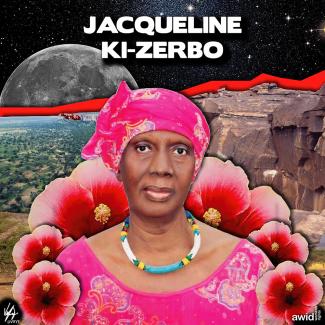
Jacqueline Coulibaly Ki-Zerbo

Jacqueline was a pioneering Malian/Burkinabe feminist, nationalist and educator.

She taught English in Senegal, before being recruited in 1961 as an English teacher at the Lycée Philippe Zinda Kaboré in Ouagadougou, Burkina Faso. Through her activism, she was involved in the popular uprising of January 3, 1966. Between 1961 and 1966, Jacqueline was also responsible for the trade union press, Voices of the Teachers. She was appointed as the head of the Normal Course for Young Girls (now known as Nelson Mandela High School) until 1974, and dedicated herself to girls’ education and advancing women’s rights.

In 1984 she was awarded the Paul G. Hoffmann Award for outstanding work in national and international development.


Jacqueline Coulibaly Ki-Zerbo, Mali/ Burkina Faso

Snippet FEA argentina history cooperatives (EN)

Argentina has a long history of worker-run cooperatives and workplaces.

In 2001, the country experienced one of the worst economic crises in its history.

As a response to the recession and a form of resistance and resilience, workers across the country started occupying their workplaces.

The Nadia Echazú Textile Cooperative was the first cooperative created by and for trans and travesti people in search of economic autonomy and decent living conditions.

It provides work opportunities, access to social security, sustainable income and economic rights for the communities it serves.

Can I contact someone if I have questions or concerns?

If you have any questions or concerns, please contact us via the form here, indicating “WITM Survey” as the title of your message. You can also write to us at witm@awid.org.

Body

8. Finalize and format

Your comprehensive research product is now all organized and edited. You now want to ensure your findings are visually accessible and appealing to facilitate the dissemination.

In this section

Package your long report for public dissemination

Consider developing smaller products along with your long report.

As mentioned in the “Synthesize your research findings,” AWID often pulls smaller products from the lengthy research report. This allows for wider and easier distribution specialized for key audiences.

Always keep your targeted population in mind: who will read your report?

Examples of smaller products distilled from a larger report:

  • Infographics
  • Online gallery
  • An animation presenting your arguments

1. Think as your audience thinks

People are bombarded with information constantly. Your product will have to be visually compelling to maintain the interest of your audience. Again, having an idea of what you hope to accomplish and who you hope to reach, will allow the designer to create targeted products.

A lengthy written PDF report may seem the only way to present your research, but it could appear overwhelming to most people – especially online.

If you want to share your product with an online community, think about creating memes and infographics to use on social media, blogs and web platforms.

When deciding whether to create smaller products, consider dividing your results into several smaller products that you could share with targeted populations or at different times of the year to reactivate the interest on your product.

2. Work with a professional designer

If you have limited time and a little bit of budget, we recommend hiring a design firm.

It can be tempting for economic reasons to use in-house staff to package your report. However, a professional graphic designer can make a huge difference on how your final product looks and thus on how much impact it will have!

The designer (in-house or hired) must be able to:

  • Show you samples of their previous work that is similar to what you seek.

  • Provide you clear advice on how to present your research based on the content you provide and the audience you are targeting.

  • Suggest additional or different pieces to package your product.

What the designer will need from you:

  • A general idea on what you would like the lengthy report to highlight through visuals and graphics (what are the most important pieces of information, the key findings, for example) and some ideas on the types of smaller products you want to create (brochure, an infographic, a series of viral memes, for example). If possible, show the designer examples of similar documents developed by other organizations.
  • Your budget and time frame.
  • Your organization’s visual guidelines if you have any (logo, official colours, fonts, etc...).
  • A few photos copyright free or access to your photo bank if you have one.
  • Key visuals that need to be included – graphs, tables and other visual graphics drawn from your research.

The designer is a graphic expert. S/he is not necessarily familiar with women’s issues and does not know the results of your research, especially if you hire an external firm.

Communicate what elements of this report is important to you and who is your target. The designer will propose a way to highlight these elements and make the whole piece appealing to your users.

3. Make sure it's consistent

While creating a set of smaller information products, do not forget to link them all together:

  • A shorter version of the report that focuses only on your final results and recommendations should present a link to the final, full report
  • A visually compelling infographic that sends a message on the state of funding for your particular research can link to your website and the related section of the full report. It should be associated with a call to share on social media.
  • A short animation video that uses the data, findings and recommendations from your report should link back to your organization website and social media
  • A series of viral memes that can be distributed online should link back to your report, infographic, shorter report, etc.

It is also important to keep the research staff involved, so they can ensure any offshoot products stay true to the actual findings of the research.

Back to top


Control the quality of the translations

After the design and packaging of the final research report is complete, if any of the wording of content was changed, be sure to re-send to translators.

If you create smaller products, once designed and packaged, you will also need to get the copy translated for those pieces. The translations should be clear enough so the designer can apply to the design, even if she/he does not speak the language.

Once translated, make sure to have your design proofread by a native speaker before sharing it!

Back to top


Previous step

7. Synthesize your research findings

Next step

9. Advocate and tell the world


Estimated time:

• 2-3 months

People needed:

• 1 or more research person(s)
• 1 or more editor
• Design staff or hiring design firm
• Translator(s), if necessary

Resources needed:

• List of online spaces for dissemination


Previous step

7. Synthesize your research findings

Next step

9. Advocate and tell the world


Ready to Go? Worksheet

Download the toolkit in PDF

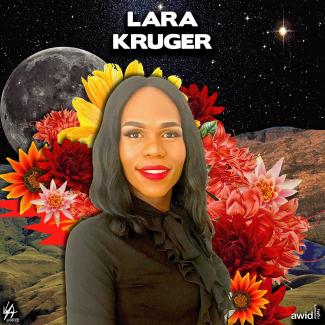
Lara Kruger

Lara fue una muy conocida y querida DJ de radio en la FM Motsweding, en Sudáfrica.

Fue una de las primeras conductoras abiertamente transgénero en una estación de radio comercial. Trabajó mucho para echar luz sobre los temas LGTBI.

El activismo de Lara comenzó a temprana edad, cuando defendía vivamente su derecho a vestirse y comportarse de una forma que le resultara cómoda y lo hacía frente a integrantes de su comunidad que todavía no entendían qué significaba ser transgénero.


Lara Kruger, South Africa

Snippet FEA Life expectancy of a trans and travesti (ES)

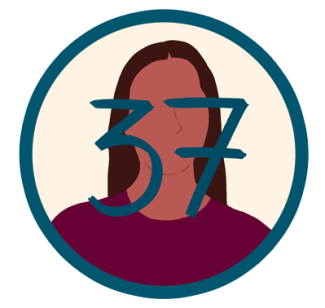
This illustration depicts a faceless person with long dark hair and a burgundy shirt, with the number 37 written across the image (37 being the life expectancy of a trans and travesti person in Argentina)

La expectativa de vida de una persona trans y travesti en Argentina es de 37 años - la edad promedio de la población general es de 77 años.

Snippet - WITM To share - PT

Para partilhar a sua experiência vivida com o financiamento da sua organização;

Body

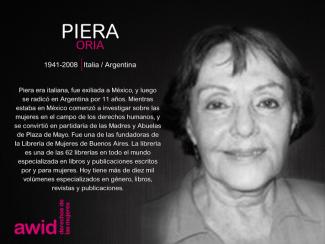
Tributo: Recordamos a lxs activistas feministas que cambiaron nuestro mundo
En esta galería en línea, rendimos homenaje a más de 450 valientes feministas y activistas de todas las regiones del mundo y 88 países que ya no están con nosotrxs.

Lxs traemos a todxs a nuestra memoria colectiva y llevamos su legado de lucha como nuestra antorcha en los movimientos feministas y por los derechos de las mujeres.

Usa los filtros para refinar tu búsqueda

Nuestra visión: La justicia económica en un mundo feminista

En nuestra lucha por la justicia de género, económica, social y ambiental, en la paz, lxs feministas sabemos que no existe una sola receta para el éxito sino una gama de posibilidades que pueden y hacen que sucedan los cambios.


El menú de opciones es tan diverso como lo son nuestros movimientos y las comunidades en las que vivimos y luchamos.

Antes de atrevernos a presentar algunas de las formas en que lxs feministas nos imaginamos un mundo diferente, aquí están los principios que sostienen nuestras propuestas:

1. Desarrollo autodeterminado desde lo local hasta lo global

Creemos que no existe un modelo único aplicable a todxs y que todxs tienen derecho a reivindicar la construcción de ese otro mundo posible, como lo expresa el lema del Fondo Mundial..

Esto incluye el derecho a participar en la gobernabilidad democrática y de influir sobre el propio futuro, en el ámbito político, social y cultural.

La autodeterminación económica permite que los pueblos controlen sus recursos naturales y los utilicen de manera colectiva o para los fines que ellos mismos decidan. Además, la autonomía económica de las mujeres es fundamental para mitigar la naturaleza a menudo cíclica de la pobreza y la falta de educación, seguridad y protección.

2. Los derechos, la igualdad sustantiva y la justicia ocupan un lugar central en la economía

El principio de la igualdad sustantiva o de facto forma parte de la Convención sobre la Eliminación de Todas las Formas de Discriminación contra las Mujeres (CEDAW) y de otros instrumentos internacionales de derechos humanos. Es fundamental para el desarrollo y para lograr una economía justa ya que afirma que todos los seres humanos nacen libres e iguales.

La no discriminación forma parte intrínsecamente del principio de igualdad que garantiza que a nadie se le nieguen sus derechos por factores como la raza, el género, el idioma, la religión, la orientación sexual, la identidad de género, las opiniones políticas o de otra clase, el origen nacional o social, la propiedad o el nacimiento.

La dignidad intrínseca de todas las personas sin distinción alguna debe ser afirmada y respetada. Si bien los Estados tienen la responsabilidad de garantizar el uso de los máximos recursos de que disponen para la realización de los derechos humanos, la reivindicación de los derechos y la dignidad configura sobre todo un espacio clave para las luchas de la sociedad civil y la movilización popular.

3. Distribución justa para todxs, sin monopolización (el principio de la anticodicia)

Este principio, que se ejerce mediante esfuerzos organizados para transformar instituciones injustas, guía la recuperación del equilibrio entre «participación» (entrada) y «distribución» (salida) cuando se ha violado cualquiera de esos dos principios.

Implica ponerle un límite a toda acumulación monopólica de capital y otros abusos de la propiedad. Este concepto se apoya en un modelo económico que gira en torno a la ecuanimidad y la justicia.

4. La solidaridad entre feministas y entre movimientos es fundamental

Para que se produzcan cambios, necesitamos redes feministas fuertes y diversas. Necesitamos movimientos que construyan solidaridad desde lo personal hacia lo político, desde lo local a lo global, y viceversa.

La construcción de poder colectivo a través de los movimientos sociales ayuda a convertir la lucha por los derechos humanos, la igualdad y la justicia en una fuerza política para el cambio que no puede ser ignorada.

 «Únicamente los movimientos pueden crear cambios sostenidos a niveles que las políticas y las leyes solas no pueden alcanzar»


Para leer más sobre este tema, consulta Batliwala, S: 2012 «Cambiando el mundo: Conceptos y prácticas de los movimientos de mujeres», 2da edición. AWID.


Ver también

Las 5 grandes amenazas

¿Cómo se originó este proyecto?
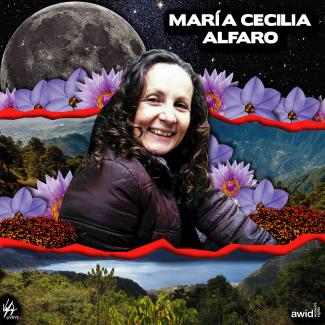
María Cecilia Alfaro Quesada

Maria a consacré la majeure partie de sa vie à l’intégration d’une perspective féministe et de la parité hommes-femmes dans les activités institutionnelles et organisationnelles, ainsi qu’au renforcement des capacités. 

Enfant, Maria s'intéressait beaucoup à l'art, à la communication, à la nature, à la littérature et à la justice, en particulier pour les femmes et les groupes marginalisés. 

Elle a milité en faveur droits sexuels et reproductifs et était membre du Conseil national pour une éducation intégrale à la sexualité. Celleux qui l’aimaient se souviennent d’elle comme d’une « combattante passionnée et infatigable », résolument engagée en faveur des droits des femmes et des enfants


María Cecilia Alfaro Quesada, Guatemala

Snippet FEA Financial Precarities (FR)

Cette image représente une personne sans visage aux cheveux noirs, aux lunettes jaunes et à la chemise bleu canard à col en V, qui écrit sur une feuille de papier bordeaux avec un crayon jaune.
LA PRÉCARITÉ FINANCIÈRE
est constante

Snippet - WITM Why now_col 1 - RU

Почему сейчас?

A monochromatic orange illustration of a woman with curly hair with her hand on her chin. She seems to inquisitive or posing a question.

Феминистские движения, движения за права женщин, гендерную справедливость, ЛГБТКИ+ и смежные движения по всему миру переживают критический момент, сталкиваясь с мощной негативной реакцией на ранее завоеванные права и свободы. Последние годы привели к быстрому росту авторитаризма, жестоким репрессиям в отношении гражданского общества и криминализации правозащитниц(-ков) с разнообразной гендерной самоидентификацией, эскалации войн и конфликтов во многих частях света, продолжающейся экономической несправедливости, – и все это на фоне кризиса в области здравоохранения, экологии и климата.

Body

Contester le modèle de croissance économique

Le contexte

Contestant la prémisse que l'économie d'un pays doit toujours «grandir ou mourir», les propositions de décroissance démystifient le rôle central d’une croissance mesurée par l'augmentation du produit intérieur brut (PIB).

Définition

Le modèle de la décroissance propose une transition vers des niveaux de production et de consommation plus faibles et durables. En substance, il s’agit de restreindre l’espace économique pour laisser plus de latitude à la coopération humaine et aux écosystèmes.

La proposition prévoit ce qui suit :

  • Réduire la production superflue, consommatrice de grandes quantités de ressources et d'énergie, qui génère des émissions destructrices, en particulier dans les pays du Nord (par exemple l’industrie automobile et l’industrie militaire).
  • Réorienter les investissements vers le secteur des services de soins, des infrastructures sociales et de la restauration de l'environnement.

Perspective féministe

Les perspectives féministes sur la théorie et la pratique de la décroissance soutiennent qu'il est également nécessaire de redéfinir et de reconnaître la valeur du travail rémunéré et non rémunéré, sur le marché comme dans le secteur des soins aux personnes. Ceci contribuerait à surmonter les stéréotypes de genre traditionnels, les écarts de salaires en vigueur et les inégalités de revenus qui dévalorisent le travail réalisé dans le domaine des soins.


Pour en savoir plus sur cette proposition :

So'oalo Roger

So'oalo was a fervent human rights advocate, especially pertaining to the rights of the LGBTQI community in the Pacific.

She was a member of the Samoa Fa’afafine Association (SFA) and a passionate advocate for the acknowledgement of a third gender in the island country. Under her leadership, the SFA pushed for the recognition of the validity and rights of the fa’afafine community.

She was also a pioneer in articulating the links between human rights, exploitation of fa’afafines in Samoa and the Pacific, and the health, wellbeing and security of the LGBTQI community.

She was an inspiration, a visionary and her dedication to the pursuit of rights for her community is admirable and will be remembered.


So'oalo Roger, Samoa

Snippet FEA Audio Story 3 (EN)

Listen to the story here: